-
 Russian ballet banned for 'gay propaganda' gets new life in Berlin
-
Malaysia hit with 3-0 forfeits to send Vietnam to Asian Cup

-
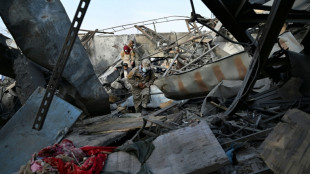
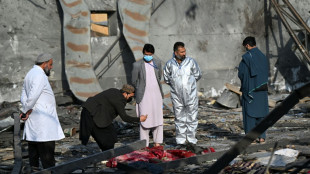 Rescue workers comb ruins of Kabul drug clinic after Pakistan strike
-
'Many dead': Wounded survivor escaped Kabul clinic strike
-
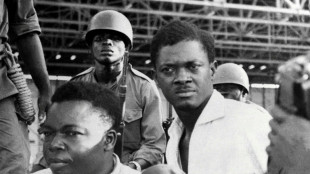 Belgian court decides on holding trial over 1961 Congo leader murder
-
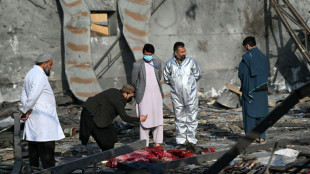
Kabul drug rehab clinic in ruins after Pakistan strikes on Afghanistan
-
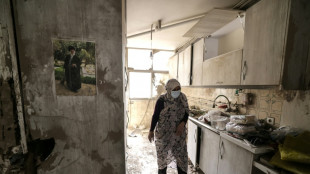 Israel strikes Tehran, Beirut as Iraq pulled deeper into Mideast war
-
Georgia ready for rugby elite despite rare Portugal defeat

-
 Doncic leads Lakers to sixth straight win, Spurs sink Clippers
-
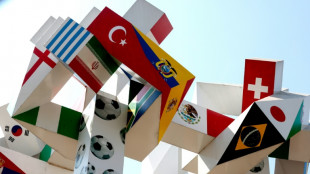
Iran 'negotiating' with FIFA over moving World Cup games to Mexico: embassy
-
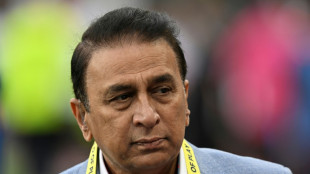 Gavaskar condemns Indian-owned franchise for signing Pakistan bowler
-
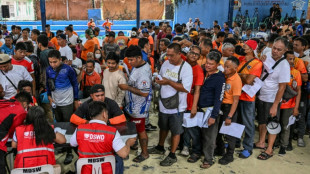
Cash handouts, fare hikes as Philippines battles soaring fuel costs
-
 Alleged Bondi Beach killer's mother received death threats, court told
-
Venezuela end Italy fairytale to reach World Baseball Classic final

-
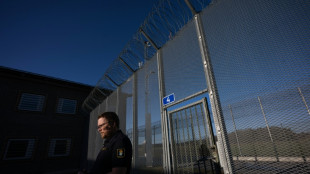 Sweden's prisons prepare to house young teens
-
Indonesia weighs response to price pressures from Middle East war

-
 In Hollywood, AI's no match for creativity, say top executives
-
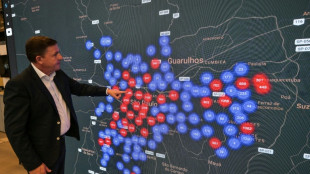
Sao Paulo AI policing nabs criminals, and a few innocents
-
 Trump faces coalition of the unwilling on Iran
-
Nvidia chief expects revenue of $1 trillion through 2027

-
 Nvidia making AI module for outer space
-
Migrant workers bear brunt of Iran attacks in Gulf

-
 From Bedroom Startup to Multi-State Firm: Razavi Law Group Founder Ali Razavi Inspires Future Lawyers at UCLA
-
Gold IRA Rollover: Learn to Transfer Gold IRA Guide Released (2026)

-
 EQS Group Launches Analytics Module in the Compliance COCKPIT to Turn Compliance Data into Actionable Intelligence
-
Nano One Advances Candiac LFP Production Capacity Expansion Project, Detailed Engineering & Equipment Procurement

-
 Empire Metals Limited Announces Diamond Drilling Results
-
InterContinental Hotels Group PLC Announces Transaction in Own Shares - March 17
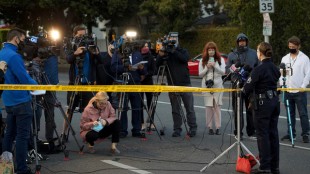
-
Star Copper Reports First Phase 2 Drill Results Extending Mineralization to West, North and South
-
BioNxt Signs Strategic Agreement for Eurasian Commercialization Following Cladribine ODF Patent Grant in Eurasia and Europe

-
 Former tennis world number 39 banned for doping
-
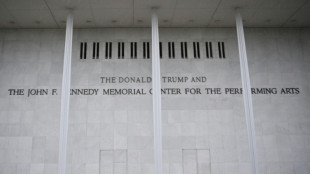
Kennedy Center board approves 2-year closure for renovation
-
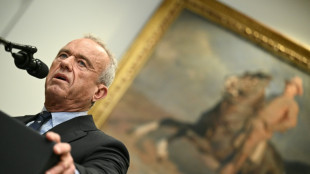 US judge halts implementation of Trump vaccine overhaul
-
Afghanistan accuses Pakistan of deadly airstrike on drug rehab centre in Kabul

-
 Iran footballers train with Australia club and say 'everything will be fine'
-
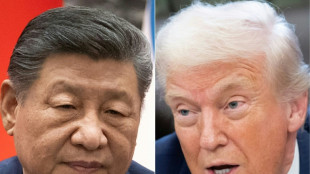
Trump asks China to delay Xi summit as Iran war rages
-
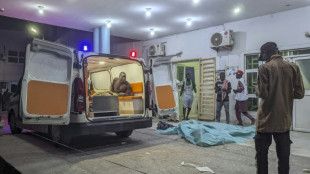 Multiple suicide bombers hit Nigeria's Maiduguri city after years of calm
-
Wolves fightback frustrates Brentford

-
 Trump vows to 'take' Cuba as island reels from oil embargo
-
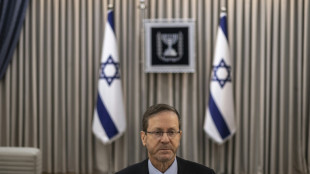
Israel president tells AFP Europe should back efforts to 'eradicate' Hezbollah
-
 Equities rise on oil easing, with focus on Iran war and central banks
-
Mbappe set for Real Madrid return against Man City

-
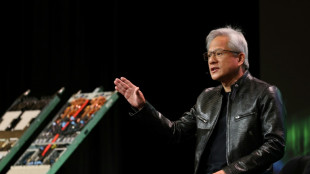 Nvidia rides 'claw' craze with AI agent platform
-
Alleged narco trafficker makes first US court appearance

-
 Neymar misses out as Endrick returns to Brazil squad
-
South Lebanon's Christian towns insist they are not part of Israel-Hezbollah war

-
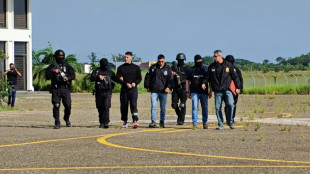 Alleged narco trafficker Marset makes first US court appearance
-
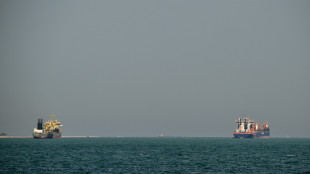
Securing the Strait of Hormuz: Tactics and threats

-
 Cuba hit by total blackout as US fuel blockade bites
-
'Buffy' reboot cancelled: Sarah Michelle Gellar

Bolivia at breaking point
In recent months, Bolivia has lurched from crisis to crisis. Long queues at gas stations, sporadic road blockades, and clashes between rival political camps have fed fears of a broader internal conflict. A year after a failed military putsch shook La Paz, the country now faces a decisive political transition against the backdrop of a rapidly deteriorating economy. As of August 18, 2025, preliminary results point to an October 19 runoff that ends two decades of dominance by the ruling movement—an inflection point that could steer the country toward stabilization or push it closer to a dangerous spiral.
A political rupture with violent undertones
Bolivia’s governing bloc fractured into warring factions after the split between President Luis Arce and his onetime mentor, former president Evo Morales. That rift spilled into the streets this year: blockades, counter-mobilizations, and deadly confrontations were recorded in mining towns and highland corridors, with church leaders warning of a “spiral of violence.” Those tensions sit atop the still-raw memory of June 26, 2024, when armored vehicles briefly surrounded the presidential palace before the putsch collapsed and commanders were arrested.
The economic picture is grim. In January, a major rating agency cut Bolivia to CCC-, citing vanishing foreign-exchange buffers and looming external payments; by its estimate, the country faced around $110 million in Eurobond coupons this year with only about $47 million in liquid reserves at one point. Fuel imports—long subsidized—have repeatedly faltered, triggering national transport strikes, border disruptions, and days-long lines for gasoline and diesel. Inflation, once among South America’s lowest, surged to multi-decade highs through mid-2025.
A chronic dollar shortage has fractured the currency regime: while the official rate stayed near 6.96 bolivianos per dollar, a thriving parallel market developed. By late July the street rate hovered around 14 BOB per USD—stronger than its worst levels earlier in the year, but still far from the peg—underscoring lost confidence. As households and small firms struggled to access currency, some turned to crypto and informal finance as workarounds.
Gold and gas: lifelines with limits
To scrape together hard currency, authorities leaned on the country’s booming (and often opaque) gold trade, monetizing bullion to raise billions in fresh dollars—an emergency bridge, not a structural fix. Meanwhile, the gas engine that powered Bolivia for two decades has sputtered. Exports to Argentina ended in 2024 as output slumped, and in a symbolic reversal this year, Argentina began shipping Vaca Muerta gas through Bolivia toward Brazil using Bolivian pipelines—signaling how far the regional energy balance has shifted.
Why fears of wider conflict are not far-fetched
No single spark guarantees a slide into civil war, but several risk factors now overlap: factionalized parties with loyal street bases, pockets of armed actors and hardliners, a legitimacy fight around barred candidacies and court rulings, and an economy that can no longer cushion shocks with cheap fuel or a steady dollar supply. Independent monitors have recorded lethal violence tied to the intra-left feud, while civic leaders in blockaded towns report confrontations between residents, protesters, and security forces. Each new blockade erodes livelihoods, deepens scarcity, and shortens tempers—a classic recipe for escalation.
The runway to October—and what comes after
The first-round result has upended Bolivia’s political map: two opposition figures advanced and the ruling movement’s candidate finished far behind, all amid the worst macro stress in a generation. Whoever wins in October will inherit unpopular choices: rationalizing fuel subsidies, rebuilding reserves, restoring a functional FX market, and reviving the gas sector while speeding up transparent lithium and gold governance. Failure risks further shortages, more street battles over scarcity, and a dangerous normalization of political violence. Success demands a credible stabilization plan, broad buy-in from unions and regional elites, and early signals—like targeted cash transfers and a clear, time-bound subsidy path—to keep social peace while reforms bite.
North Korea Infiltrates Economy
Boomers: Selfish or Scapegoats?
Malaysia's Strategic Ascent
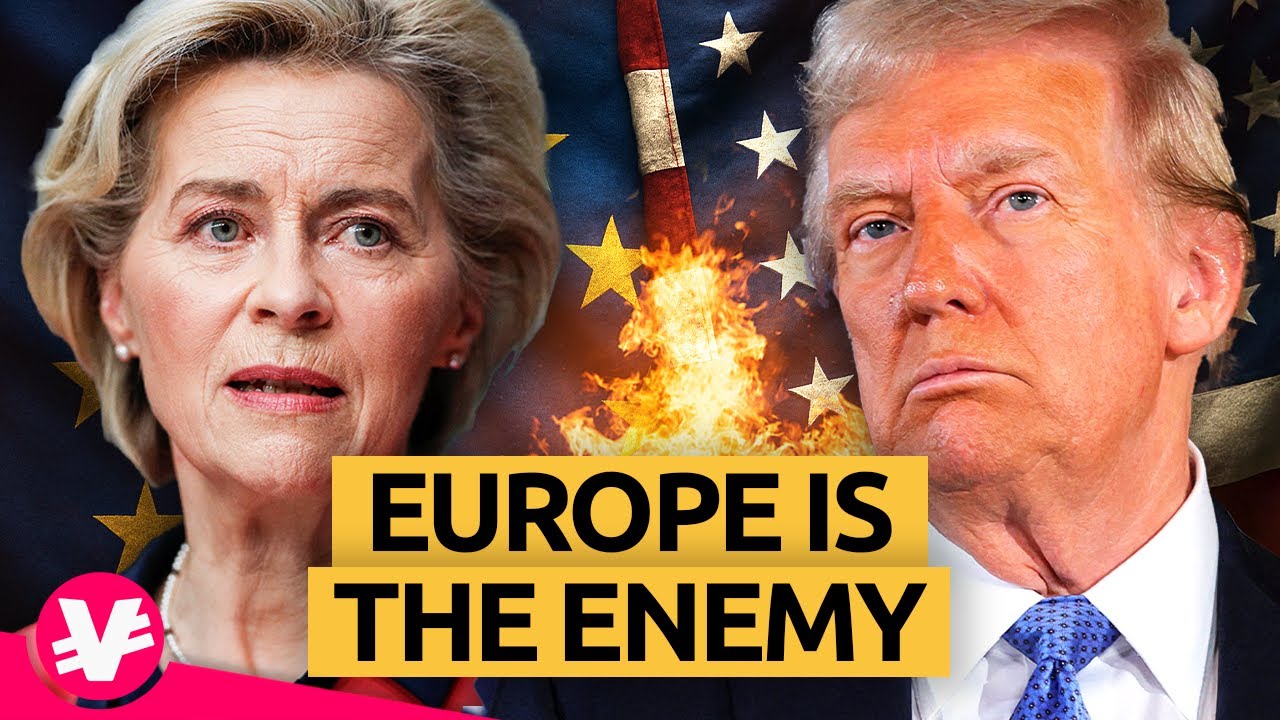
Trump’s 50% tariffs on europe
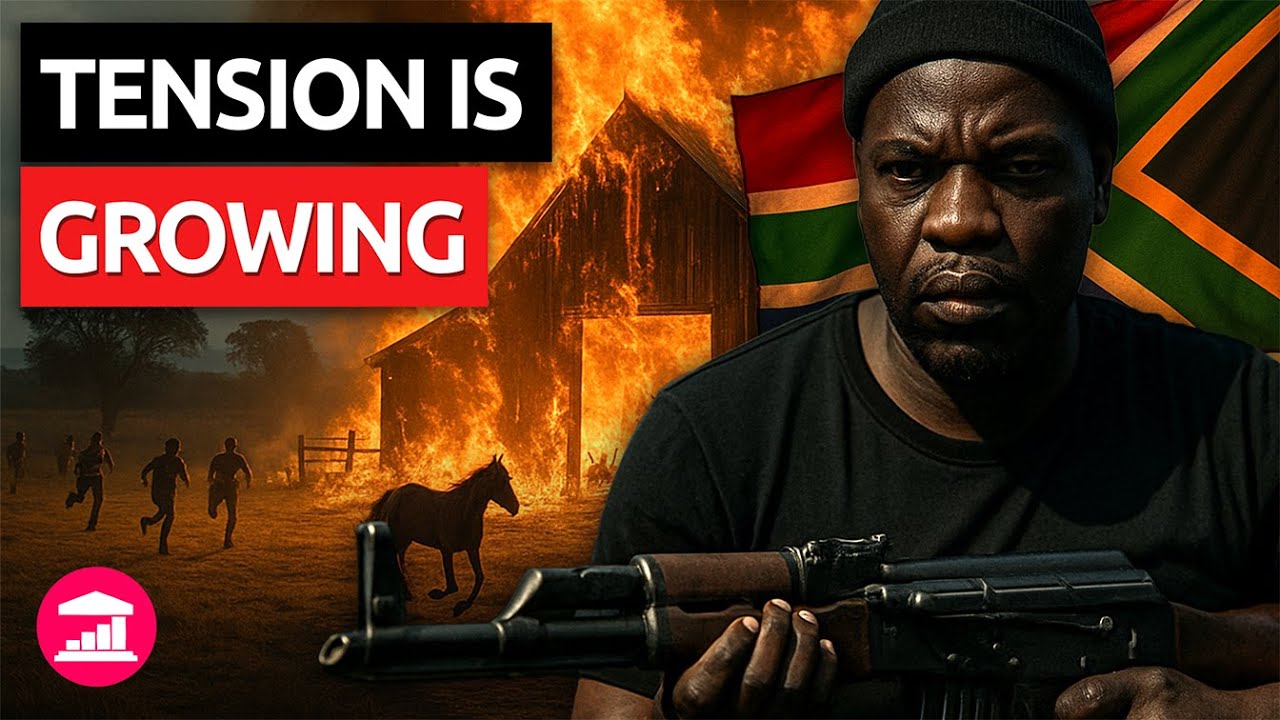
Reverse Apartheid" in SA?

NYALA Digital Asset AG
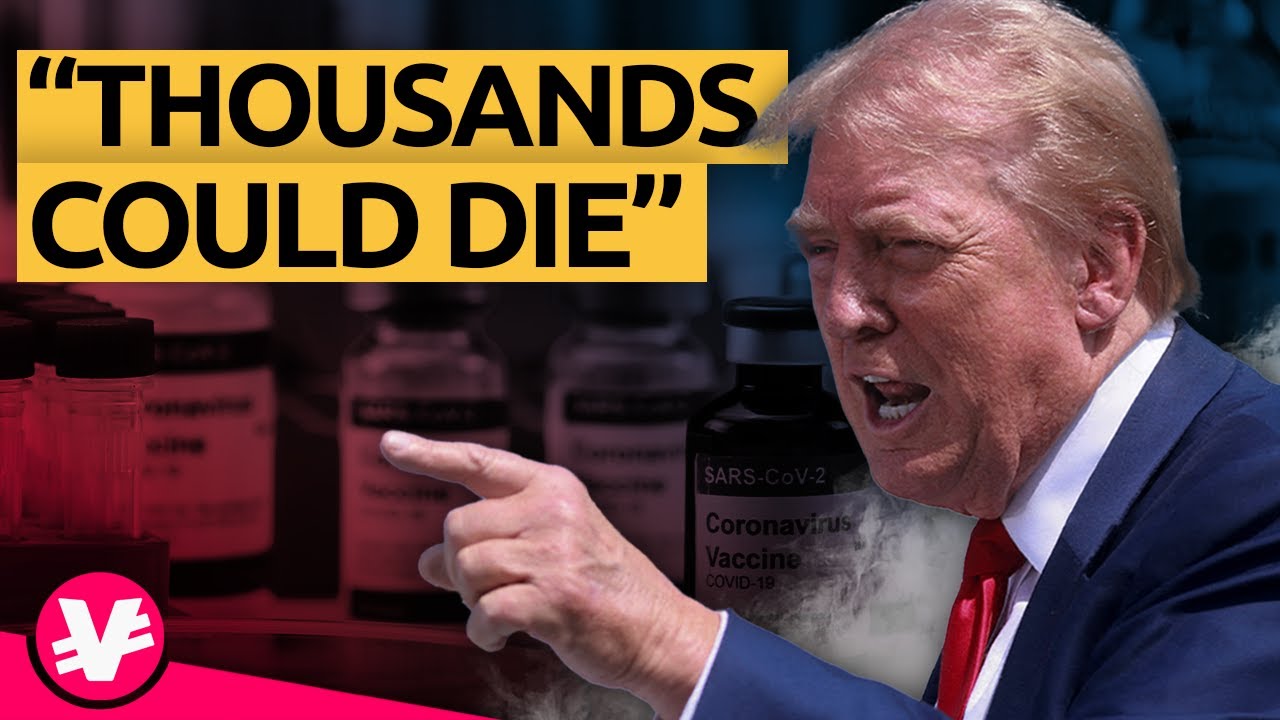
Trump’s Crackdown: Lives/Risk
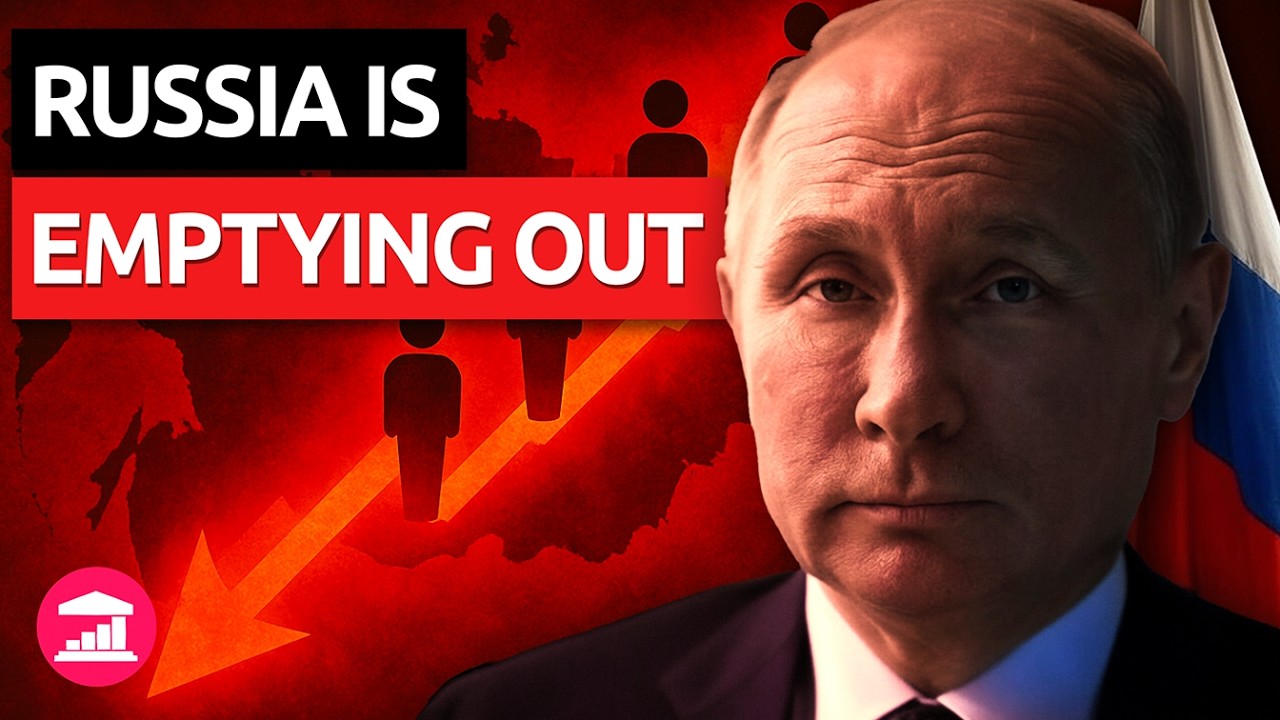
Russia's Population Plummets
Trump's Tariffs Batter Mexico
China vs. Putin and Kim?

Jewish Success: Myths & Facts