-
 Timberwolves eliminate Jokic's Nuggets from NBA playoffs
-
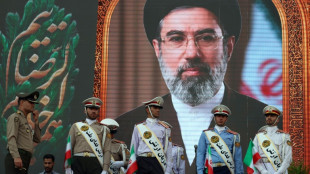
Iran activates air defences as Trump faces congressional deadline
-
 Arsenal seek to ramp up heat on Man City in title race
-
PSG closing in on another French title before Bayern second leg

-
 Espanyol must stop rot against Real Madrid as Barca eye title
-
Leipzig can book return to Champions League as Bundesliga top-four rivals meet

-
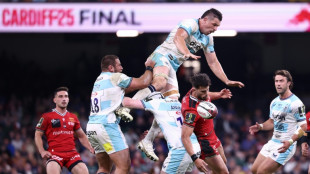 Injuries add to Bath's challenge for Champions Cup semi in Bordeaux
-
Karius getting 'back to the top' with promotion-chasing Schalke

-
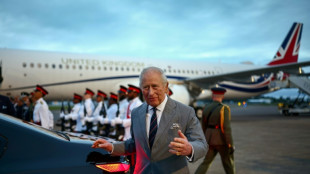 King Charles arrives in Bermuda after whirlwind US visit
-
Clashes erupt in Australian town over death of Indigenous girl
-
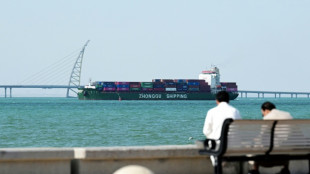 Iran war redraws sea routes with Africa as the pivot
-
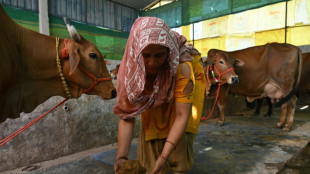
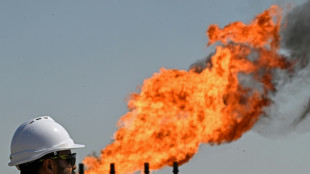
India's cows offer biogas alternative to Mideast energy crunch
-
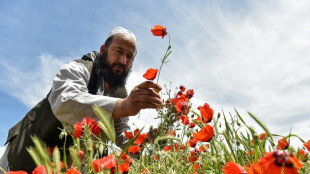 Afghans celebrate spring in bright red poppy fields
-
Finland's 'Flamethrower' and 4 other Eurovision favourites

-
 Crude edges up after wild swing, stocks track Wall St rally
-
Eurovision: 70 years of geopolitics, patriotism, music and glitter

-
 Knicks demolish Hawks to advance in NBA playoffs
-
Blockbuster EU-Mercosur trade deal enters into force
-
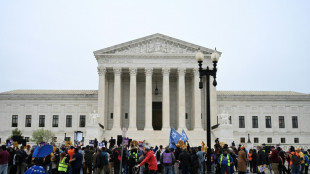 'Uncharted': US court ruling shakes up battle for Congress
-
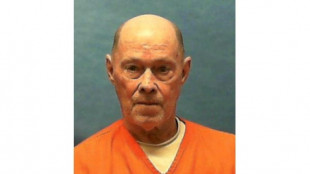
Florida executes man who spent nearly 50 years on death row
-
 Ace lifts rookie Green to share of LPGA lead as Korda lurks
-
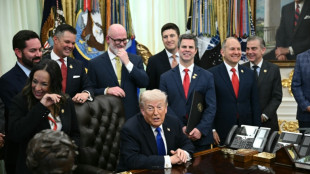
Wear a bulletproof vest? I don't want to look fat, says Trump
-
 World No. 4 Young leads at PGA Cadillac Championship
-
FIFA to review ticket strategy for 2030 World Cup
-
 Bucks hire ex-Grizzlies coach Jenkins
-
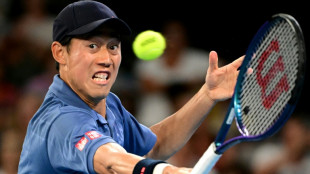
Japanese tennis trailblazer Nishikori to retire at end of season
-
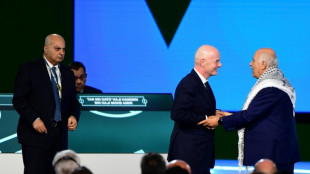 Palestinian football chief slams Israeli official at FIFA meeting
-
Britney Spears formally charged with DUI in California

-
 Rayo grab lead over Strasbourg in Conference League semi
-
New Princess Diana documentary promises her own words

-
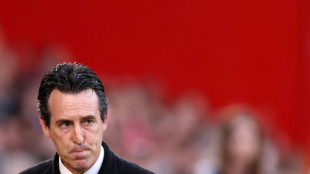 Villa boss Emery fumes as Forest star Anderson escapes red card
-
Oil slumps after hitting peak, US indices reach new records
-
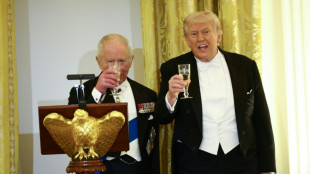 Trump says lifting Scottish whisky tariffs to 'honor' King Charles
-
Venezuela leader hikes minimum wage package by 26%

-
 PGA Tour golfers take wait-and-see approach amid LIV turmoil
-
Braga strike late to seize advantage over Freiburg in Europa League semi

-
 Miami GP could be moved up as thunderstorms threaten - drivers
-
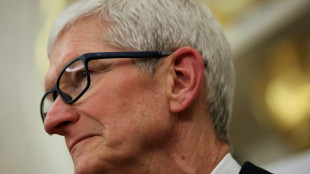
Apple earnings beat forecasts on iPhone 17 demand
-
 Crystal Palace beat Shakhtar to close in on Conference League final
-
Wood punishes Digne blunder as Forest earn Europa semi-final lead against Villa

-
 Formula One drivers welcome rule tweaks, but say more change needed
-
Bangladesh signs biggest-ever plane deal for 14 Boeings

-
 Musk grilled on AI profits at OpenAI trial
-
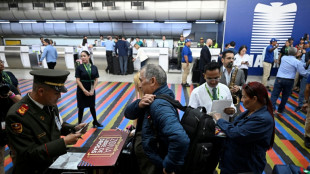
Venezuela opens arms to world with Miami-Caracas flight
-
 King Charles experiences small-town America on last day of visit
-
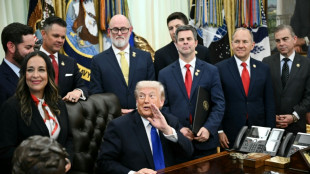
Trump mulls US troop cuts in Italy, Spain over Iran row
-
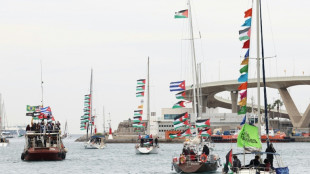 Israel says detained Gaza flotilla activists to be taken to Greece
-
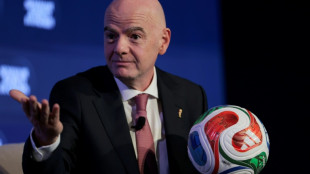
Infantino confirms Iran will play World Cup games in US
-
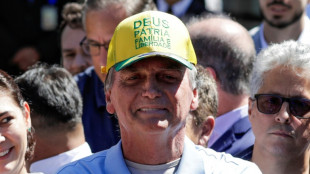 Blow for Lula as Brazil MPs slash Bolsonaro prison term
-
At Iranian film's Berlin premiere, calls not to forget Iranian people

Bolivia at breaking point
In recent months, Bolivia has lurched from crisis to crisis. Long queues at gas stations, sporadic road blockades, and clashes between rival political camps have fed fears of a broader internal conflict. A year after a failed military putsch shook La Paz, the country now faces a decisive political transition against the backdrop of a rapidly deteriorating economy. As of August 18, 2025, preliminary results point to an October 19 runoff that ends two decades of dominance by the ruling movement—an inflection point that could steer the country toward stabilization or push it closer to a dangerous spiral.
A political rupture with violent undertones
Bolivia’s governing bloc fractured into warring factions after the split between President Luis Arce and his onetime mentor, former president Evo Morales. That rift spilled into the streets this year: blockades, counter-mobilizations, and deadly confrontations were recorded in mining towns and highland corridors, with church leaders warning of a “spiral of violence.” Those tensions sit atop the still-raw memory of June 26, 2024, when armored vehicles briefly surrounded the presidential palace before the putsch collapsed and commanders were arrested.
The economic picture is grim. In January, a major rating agency cut Bolivia to CCC-, citing vanishing foreign-exchange buffers and looming external payments; by its estimate, the country faced around $110 million in Eurobond coupons this year with only about $47 million in liquid reserves at one point. Fuel imports—long subsidized—have repeatedly faltered, triggering national transport strikes, border disruptions, and days-long lines for gasoline and diesel. Inflation, once among South America’s lowest, surged to multi-decade highs through mid-2025.
A chronic dollar shortage has fractured the currency regime: while the official rate stayed near 6.96 bolivianos per dollar, a thriving parallel market developed. By late July the street rate hovered around 14 BOB per USD—stronger than its worst levels earlier in the year, but still far from the peg—underscoring lost confidence. As households and small firms struggled to access currency, some turned to crypto and informal finance as workarounds.
Gold and gas: lifelines with limits
To scrape together hard currency, authorities leaned on the country’s booming (and often opaque) gold trade, monetizing bullion to raise billions in fresh dollars—an emergency bridge, not a structural fix. Meanwhile, the gas engine that powered Bolivia for two decades has sputtered. Exports to Argentina ended in 2024 as output slumped, and in a symbolic reversal this year, Argentina began shipping Vaca Muerta gas through Bolivia toward Brazil using Bolivian pipelines—signaling how far the regional energy balance has shifted.
Why fears of wider conflict are not far-fetched
No single spark guarantees a slide into civil war, but several risk factors now overlap: factionalized parties with loyal street bases, pockets of armed actors and hardliners, a legitimacy fight around barred candidacies and court rulings, and an economy that can no longer cushion shocks with cheap fuel or a steady dollar supply. Independent monitors have recorded lethal violence tied to the intra-left feud, while civic leaders in blockaded towns report confrontations between residents, protesters, and security forces. Each new blockade erodes livelihoods, deepens scarcity, and shortens tempers—a classic recipe for escalation.
The runway to October—and what comes after
The first-round result has upended Bolivia’s political map: two opposition figures advanced and the ruling movement’s candidate finished far behind, all amid the worst macro stress in a generation. Whoever wins in October will inherit unpopular choices: rationalizing fuel subsidies, rebuilding reserves, restoring a functional FX market, and reviving the gas sector while speeding up transparent lithium and gold governance. Failure risks further shortages, more street battles over scarcity, and a dangerous normalization of political violence. Success demands a credible stabilization plan, broad buy-in from unions and regional elites, and early signals—like targeted cash transfers and a clear, time-bound subsidy path—to keep social peace while reforms bite.
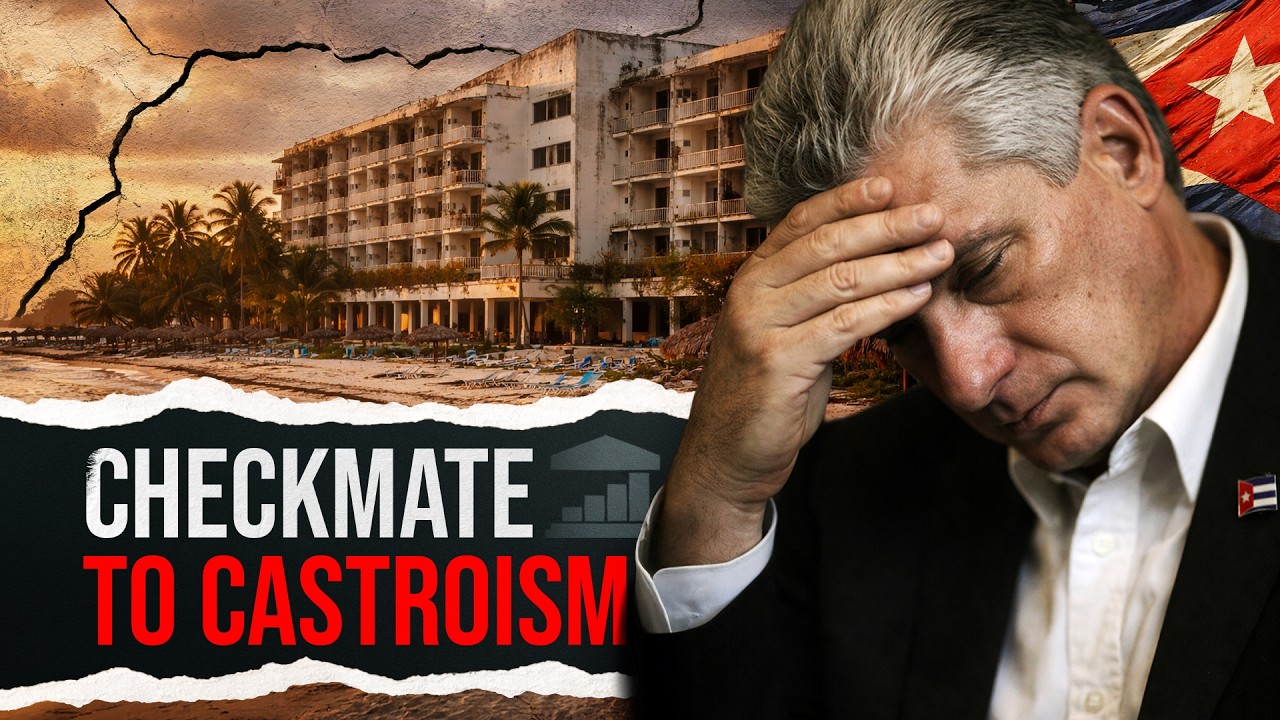
Cuba's golden Goose dies
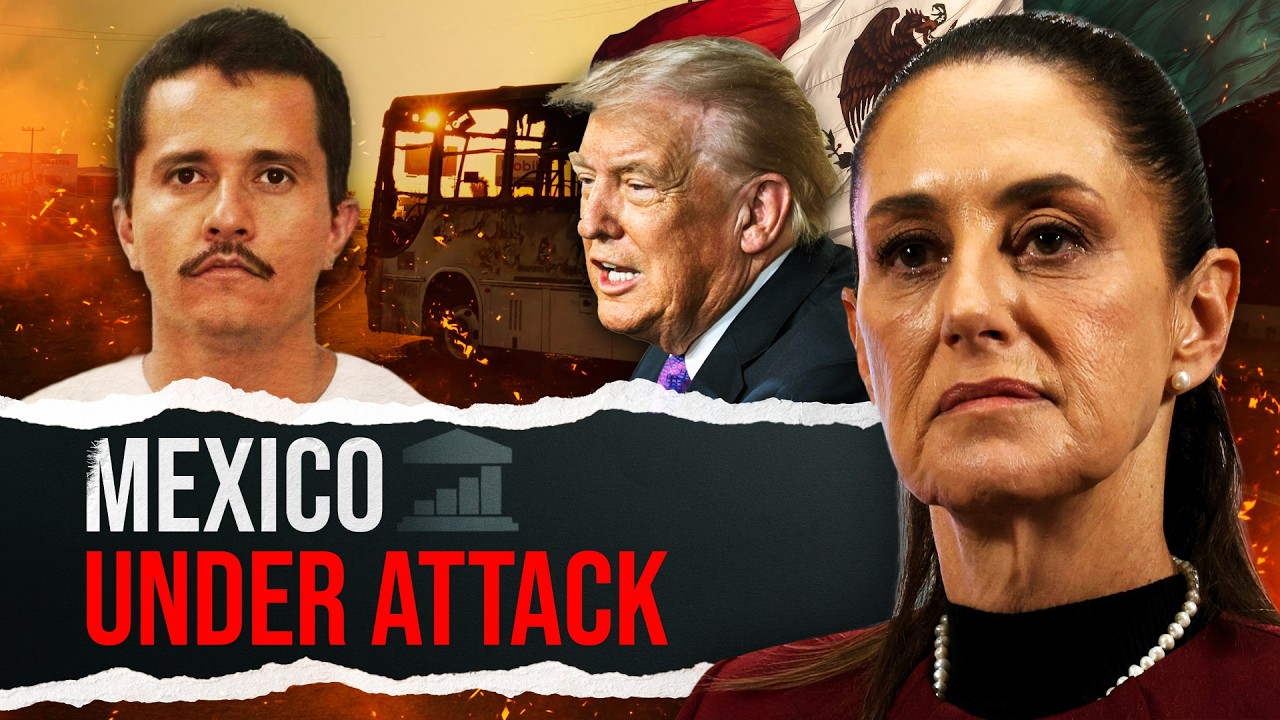
Mexico after El Mencho falls
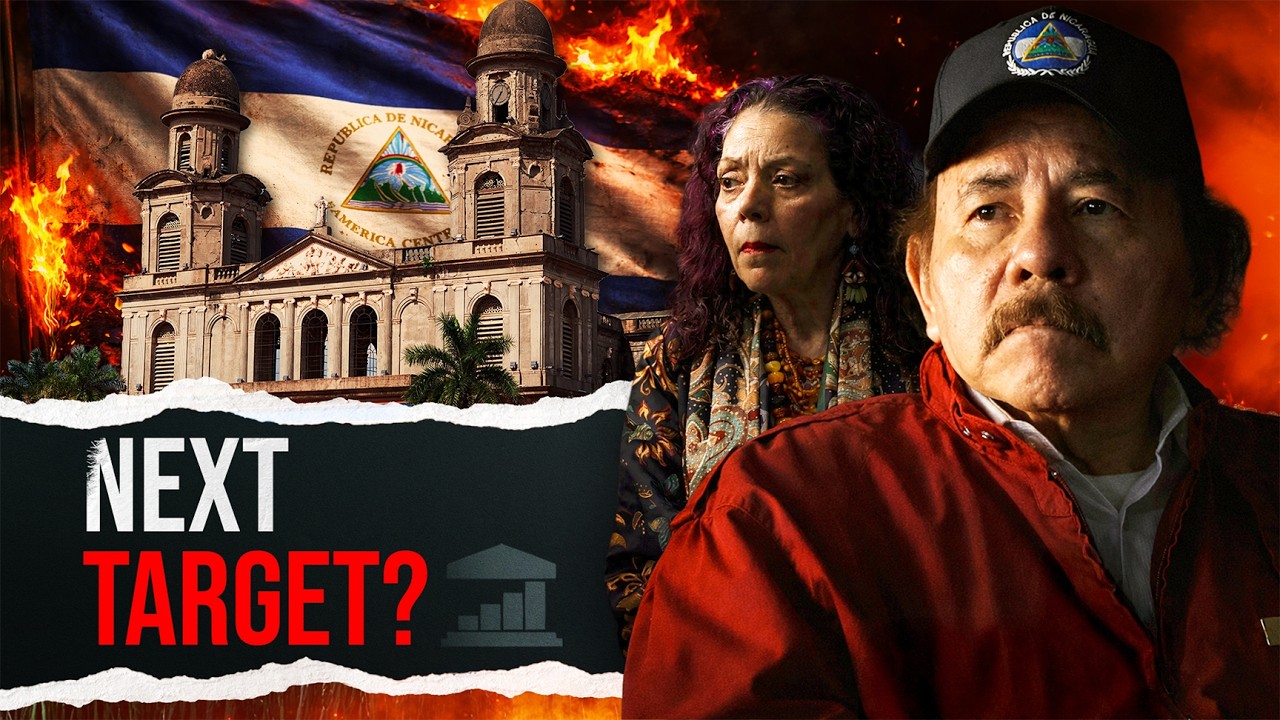
Nicaragua on the brink?
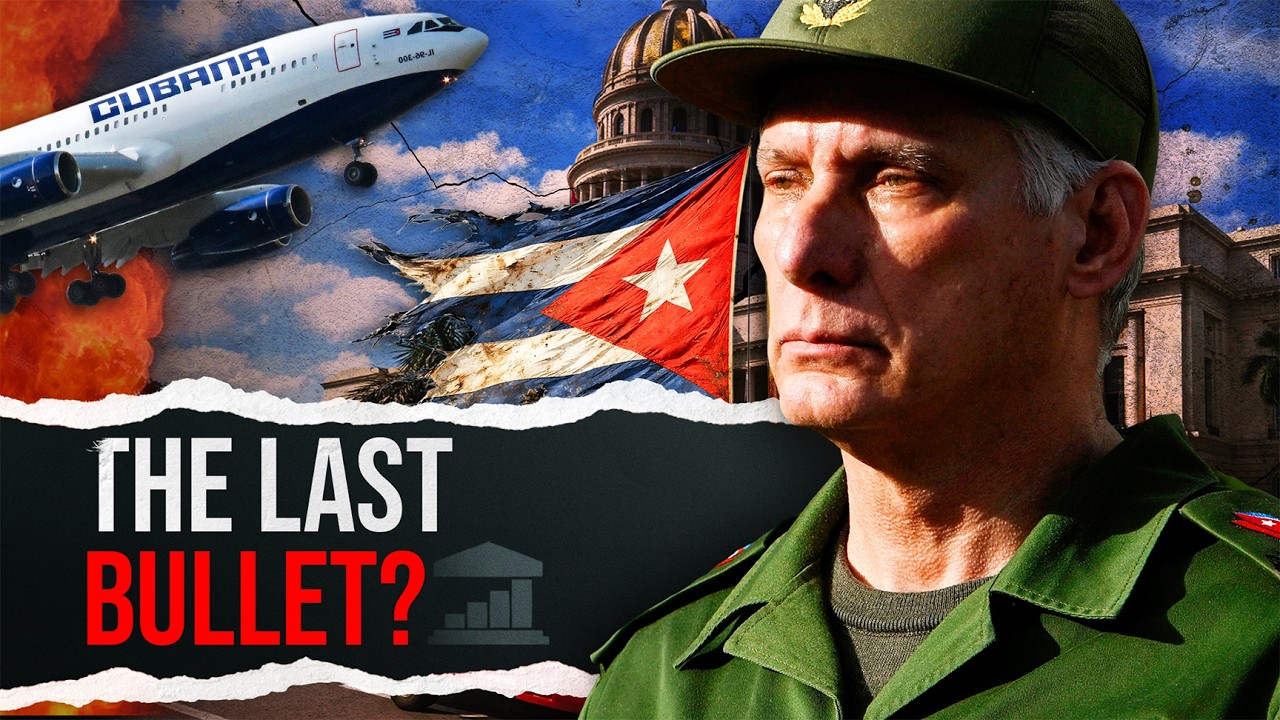
Cuba: The Regime's last Card
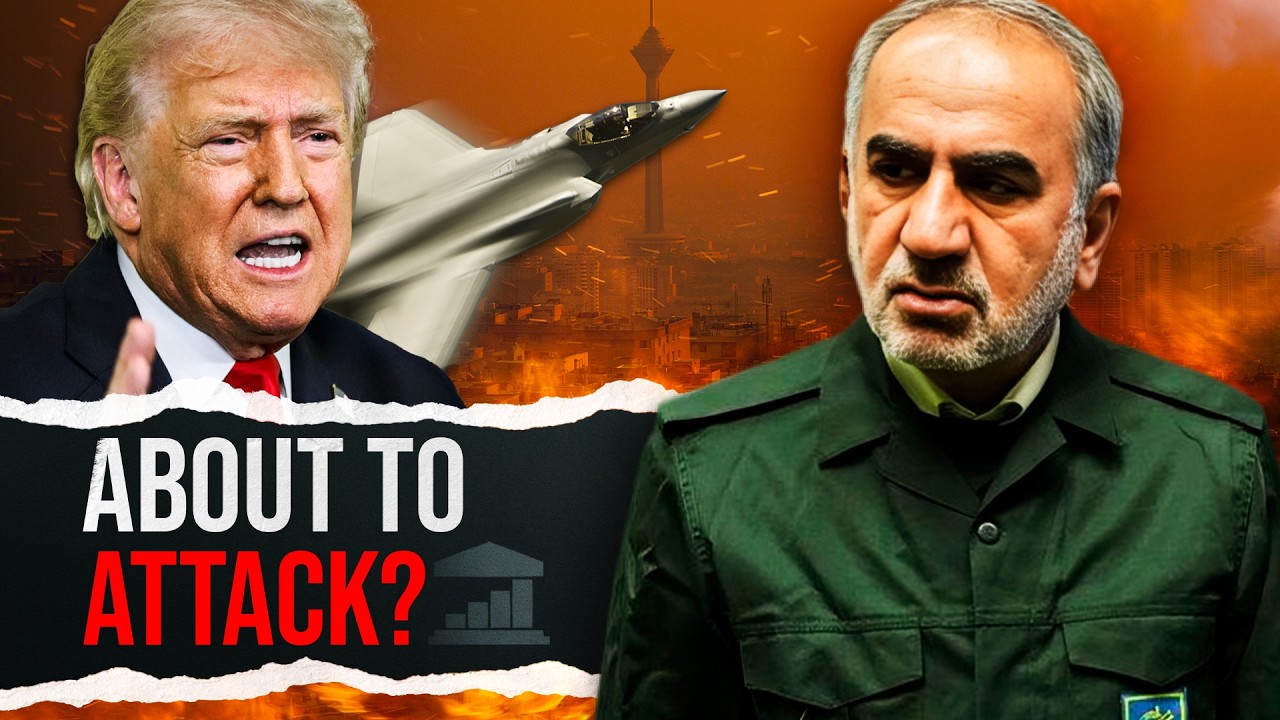
Strike fears rise over Iran
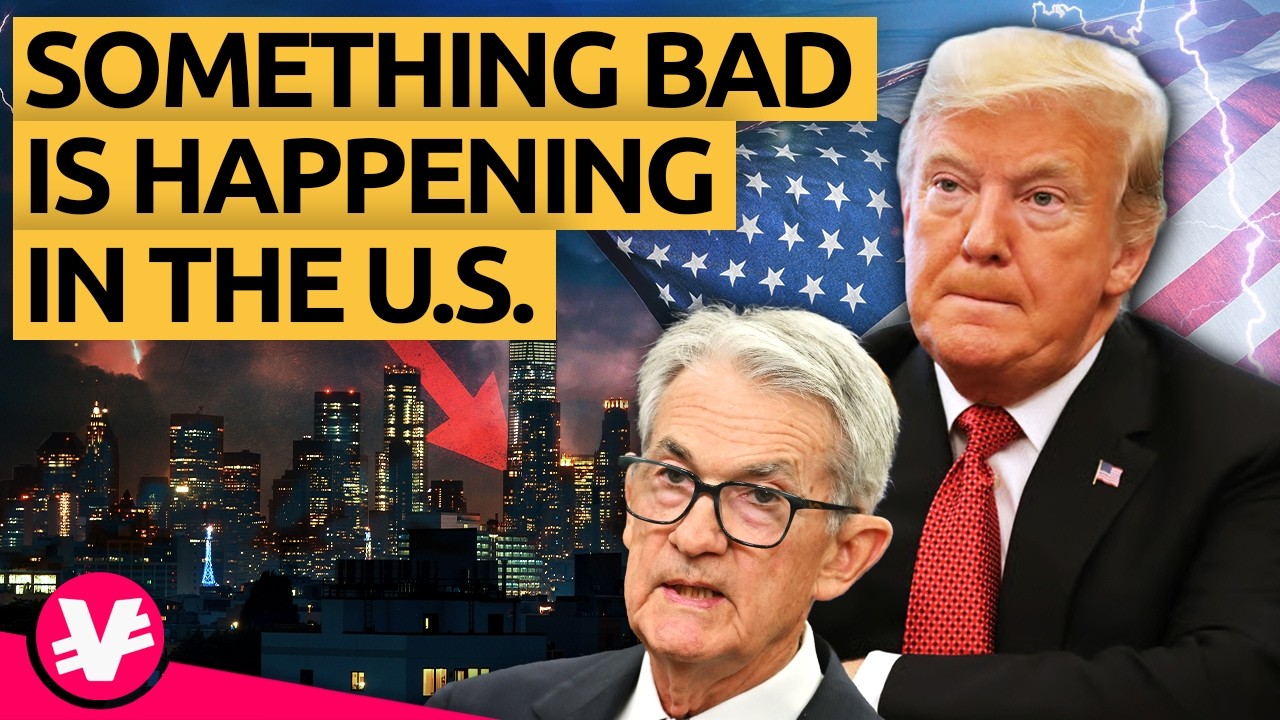
U.S. Jobs stall, gdp slows
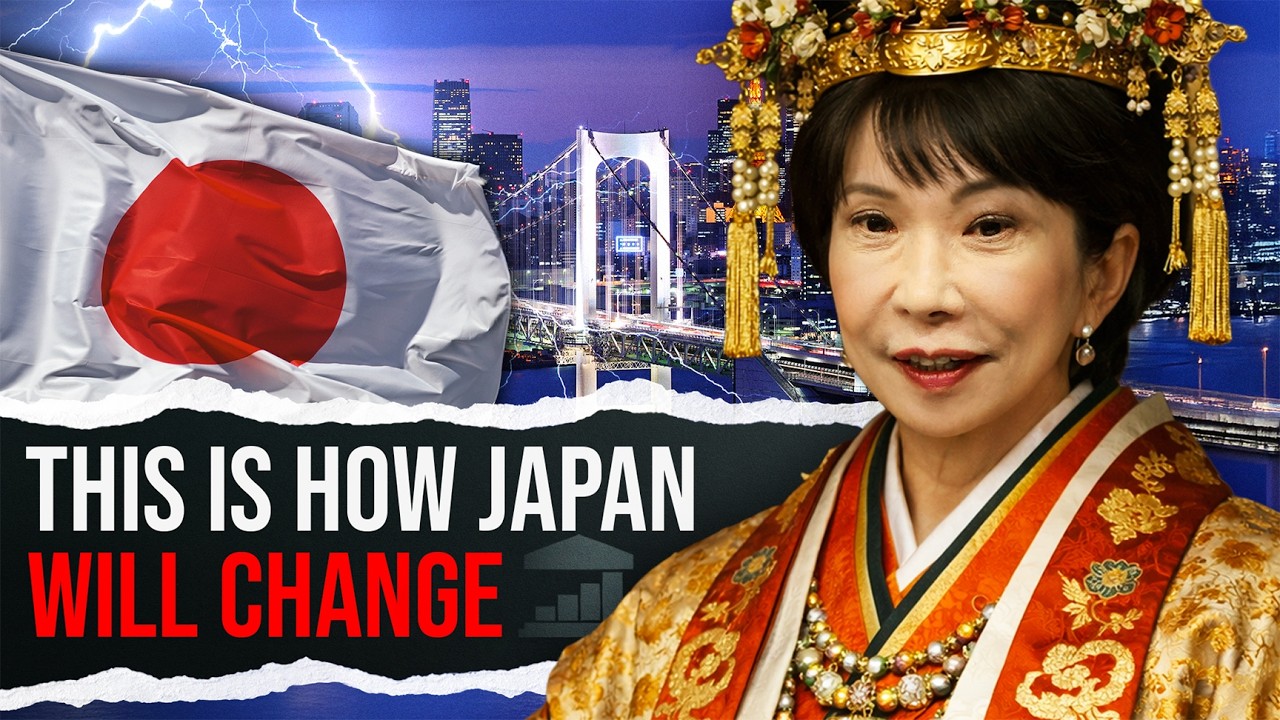
Japan’s right‑turn triumph
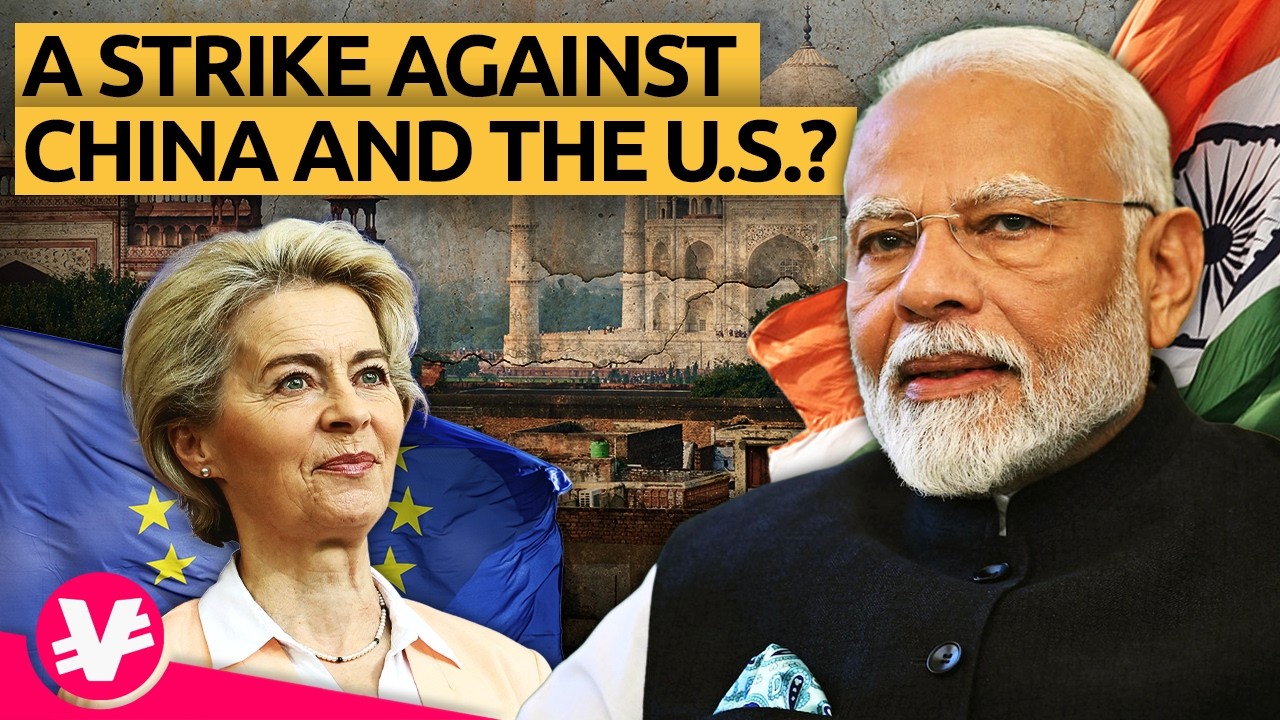
EU India deal gains unveiled
AI sparks Wall Street panic
India defies U.S. tariffs
EU misstep on mercosur Deal