
-
 Flick happy Raphinha back for Barca with title in sight
-
UN troubled by rejected appeal of Cambodian opposition leader

-
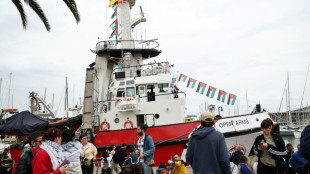 Activists on Gaza aid flotilla detained by Israel disembark in Crete
-
Suspect appears in UK court charged with attacking two Jewish men

-
 Oil steady after wild swing, stocks diverge in thin trading
-
Lufthansa says searching for Oscar lost after US airport security row

-
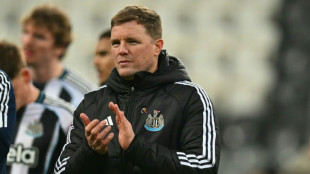 Howe says Saudi backers are fully behind Newcastle
-
Chinese swimmer Sun Yang reports cyberbullying to police

-
 Salah 'deserves big send-off', says Liverpool boss Slot
-
UK police charge man with stabbing attack on two Jewish Londoners

-
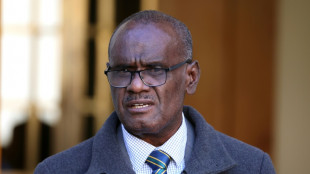 Solomon Islands leader loses court appeal, must face no confidence vote
-
Former world skating champion Uno joins pro eSports team

-
 Japan baseball umpire hit by bat still unconscious two weeks on
-
Nakatani says won't be intimidated in sold-out Inoue title clash

-
 T-Wolves eliminate Nuggets as Knicks demolish Hawks in NBA playoffs
-
Timberwolves eliminate Jokic's Nuggets from NBA playoffs

-
 Iran activates air defences as Trump faces congressional deadline
-
Arsenal seek to ramp up heat on Man City in title race

-
 PSG closing in on another French title before Bayern second leg
-
Espanyol must stop rot against Real Madrid as Barca eye title

-
 Leipzig can book return to Champions League as Bundesliga top-four rivals meet
-
Injuries add to Bath's challenge for Champions Cup semi in Bordeaux

-
 Karius getting 'back to the top' with promotion-chasing Schalke
-
King Charles arrives in Bermuda after whirlwind US visit

-
 Clashes erupt in Australian town over death of Indigenous girl
-
Iran war redraws sea routes with Africa as the pivot

-
 India's cows offer biogas alternative to Mideast energy crunch
-
Afghans celebrate spring in bright red poppy fields

-
 Finland's 'Flamethrower' and 4 other Eurovision favourites
-
Crude edges up after wild swing, stocks track Wall St rally

-
 Eurovision: 70 years of geopolitics, patriotism, music and glitter
-
Knicks demolish Hawks to advance in NBA playoffs

-
 Blockbuster EU-Mercosur trade deal enters into force
-
'Uncharted': US court ruling shakes up battle for Congress

-
 Florida executes man who spent nearly 50 years on death row
-
Ace lifts rookie Green to share of LPGA lead as Korda lurks

-
 Wear a bulletproof vest? I don't want to look fat, says Trump
-
GPOPlus+ Publishes Updated Investor Memorandum Detailing Three Year Operating History and Path to Scale

-
 °MEQU Eliminates a Critical Break in Trauma Care with FDA Clearance of °M Station
-
BeMetals Announces Resumption of Trading on TSX Venture Exchange and Effective Date of Share Consolidation

-
 Helio Lands on Wall Street With Participation at Market Movers Investor Summit in New York
-
Abasca Resources to Participate in Core Days 2026 and Closes $2.5 Million Private Placement

-
 Ares Management Announces First Quarter 2026 U.S. Direct Lending Origination Activity
-
XCF Global Continues New Rise Reno Planned Upgrade and Secures Forbearance Agreement Related to New Rise Renewables Reno Ground Lease
-
 Moderna Reports First Quarter 2026 Financial Results and Provides Business Updates
-
Who Does Lower Eyelid Bag Removal in Raleigh?

-
 The Family Channel and The Heartland Network Join With Augason Farms and 4Patriots To Launch GET PREPARED
-
InterContinental Hotels Group PLC Announces Transaction in Own Shares - May 01
-
Snipp Interactive Reports Financial Results for Q4 and Fiscal 2025; Announces Conference Call on May 5, 2026
-
World No. 4 Young leads at PGA Cadillac Championship

France's debt is growing
France is facing an unprecedented financial challenge. With public debt exceeding €3.2 trillion, representing more than 110% of gross domestic product (GDP), the eurozone's second-largest economy is on a dangerous path. The budget deficit is around 5.5% of GDP and is expected to rise to over 6% this year. These figures significantly exceed EU targets, which allow a maximum deficit of 3% and a debt ratio of 60% of GDP. The financial markets are becoming increasingly nervous, and interest rates on French government bonds are climbing to record levels. What has led to this debt chaos, and how can France avoid the looming abyss?
The roots of the crisis run deep. For decades, France has had a relaxed attitude towards debt, which differs from the strict budgetary discipline of other countries such as Germany. During the coronavirus pandemic and the energy crisis resulting from the war in Ukraine, the government pumped billions into the economy to support households and businesses. Subsidies for electricity prices and generous social benefits kept the economy stable but led to a sharp rise in debt. Since 2017, when President Emmanuel Macron took office, public debt has grown by almost one trillion euros. Critics accuse the government of delaying necessary structural reforms, while the government's spending ratio is just under 60% of GDP – one of the highest in the world.
The political situation is exacerbating the crisis. Following early parliamentary elections in the summer of 2024, parliament is fragmented and majorities are difficult to form. Prime Minister François Bayrou, who has been in office since autumn 2024, has presented an ambitious austerity programme to reduce the deficit to below 3% by 2029. The measures include the abolition of two public holidays, a freeze on pensions and social benefits, the elimination of 3,000 civil service jobs and higher taxes on high incomes. However, these plans are meeting with fierce resistance. The right-wing nationalist party Rassemblement National and left-wing parties are threatening votes of no confidence, which could bring down Bayrou's government. His predecessor, Michel Barnier, was forced to resign after only three months in office when his draft budget failed.
The financial markets are watching the situation with suspicion. Interest rates on French government bonds are now exceeding those of Greece in some cases, which is an alarming sign. France spends around 50 billion euros a year on debt servicing alone, and the trend is rising. Experts warn that this figure could climb to between 80 and 90 billion euros by 2027, making investment in education, infrastructure and climate protection virtually impossible. Rating agencies such as S&P and Moody's still rate France's creditworthiness as solid, but have threatened downgrades if the deficits are not reduced.
The crisis also has European dimensions. France is systemically important for the eurozone, and an uncontrolled rise in debt could jeopardise the stability of the single currency. Unlike the Greek debt crisis in 2008, when rescue funds were used, a bailout package for France would be almost impossible to finance. The EU has launched disciplinary proceedings against France to exert pressure for budget consolidation, but political instability is hampering reforms.
What can France do? Bayrou's austerity plans are a first step, but their implementation is uncertain. Tax increases are politically sensitive, as France already has one of the highest tax rates in Europe. Spending cuts could slow economic growth, which is just over 1% this year. At the same time, experts are calling for structural reforms to increase productivity and reduce dependence on the public sector. Without clear political majorities, there is a risk that France will slide further into debt.
Citizens are already feeling the effects of the crisis. Strikes and protests against austerity measures are on the rise, and social tensions are running high. Many French people feel caught between high living costs and impending cuts. The government faces the challenge of regaining credibility without losing the trust of the markets or the population.
A way out of the debt chaos requires courage and a willingness to compromise. Bayrou has described the situation as ‘the last stop before the abyss.’ Whether France can overcome this crisis depends on whether politicians and society are prepared to make tough decisions. Time is pressing, because the financial markets will not tolerate any further delays. France is at a crossroads – between reform and risk.
NATO is training to fight cyber attacks

Digital Ocean Twin: Protecting the Oceans

What is the outlook for France’s economy?
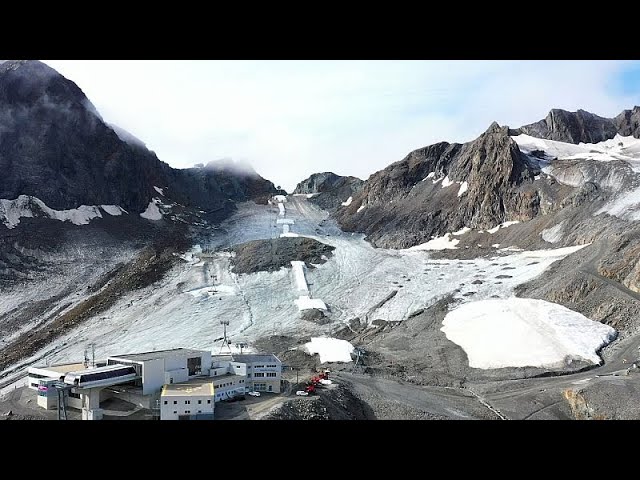
How melting Alpine glaciers affect valleys
The EU Commission and its climate targets?

Irish government to subsidise school books
European democracy is weakening, report warns
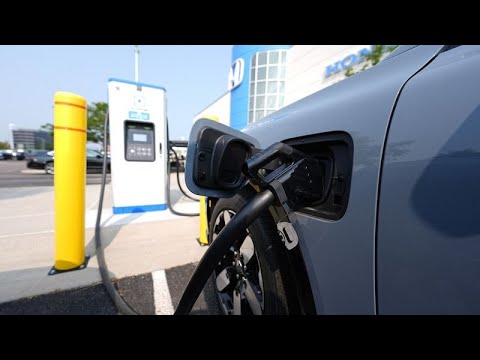
Low demand: electric vehicles clog Belgian port

EU calls for tougher measures for a ‘tobacco-free generation’

This Summer experiences Romania first heatwave

Mike Pence: U.S. will continue to support Ukraine



