-
 Mexico prepared to host Iran World Cup games, says president
-
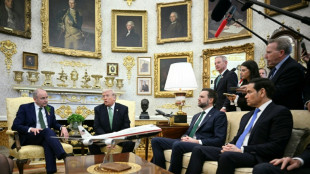
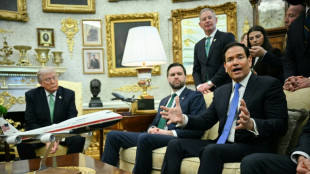
Trump blasts 'foolish' NATO on Iran, says US needs no help
-
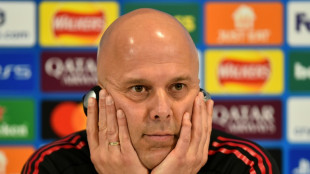 Slot vows to win back support of frustrated Liverpool fans
-
In Ukraine, Sean Penn gifted Oscar made from train carriage hit by Russia

-
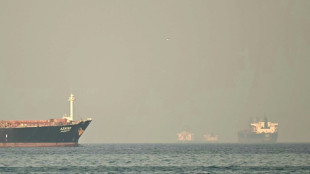 Ships in Gulf risk shortages on board, industry warns
-
White House piles pressure on Cuba as island fights power cut
-
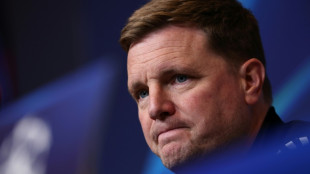 Newcastle must grow under Camp Nou pressure: Howe
-
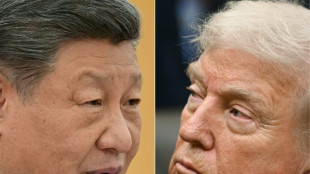
Trump says to make delayed China trip in 'five or six weeks'
-
 Kompany warns of complacency as injury-hit Bayern host Atalanta
-
SAS cancels flights after fuel prices surge

-
 New particle discovered by Large Hadron Collider
-
Lebanon says Israeli strikes kill soldiers, as shelters overflow

-
 Van de Ven insists it's 'nonsense' to say players don't care about Spurs' plight
-
Argentina withdraws from World Health Organization
-
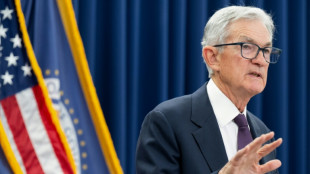 US Fed expected to keep rates steady as Iran war impact looms
-
Two men in Kenyan court for ant-smuggling

-
 Cuba scrambles to restore power as Trump threatens takeover
-
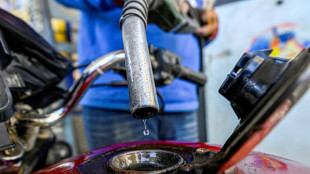
War fuels fears of new oil crisis
-
 Kerr 'frustrated' at six-figure sum owed to him by Johnson's failed Grand Slam Track
-
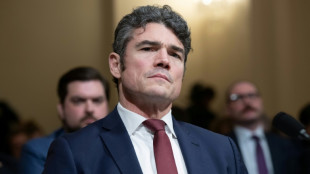
Senior US counterterrorism official resigns to protest Iran war
-
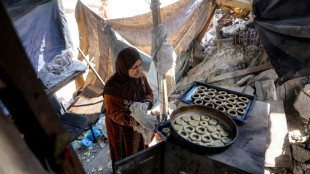 In shadow of Iran war, Gazans prepare for Eid
-
Oil prices climb as fresh strikes target infrastructure

-
 Southern Lebanon paramedics risk deadly Israeli strikes to do their work
-
Len Deighton, spy novelist who created the anti-Bond

-
 Barca Flick's 'last job' but not yet certain on renewal
-
Belgian diplomat ordered to stand trial over 1961 Congo leader murder

-
 Pope says idea England 'weren't fussed' about the Ashes was tough to take
-
War threatens Gulf's dugongs, turtles and birds

-
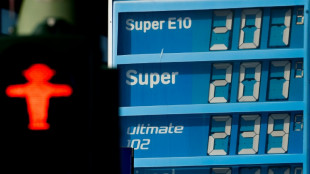 Germany targets oil firms to prevent wartime price gouging
-
Chelsea striker Kerr sends Australia into Asian Cup final

-
 'East meets West': KPop Demon Hunters brings global fans to Seoul's sites
-
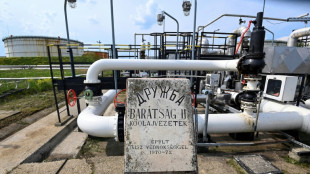
EU to help reopen blocked oil pipeline in Ukraine
-
 Thai eSports players sentenced over SEA Games cheating scandal
-
Nigeria suicide bombings kill 23, wound more than 100

-
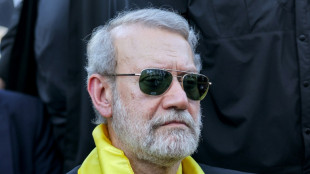 Iran's Larijani, the man whose power grew during Mideast war
-
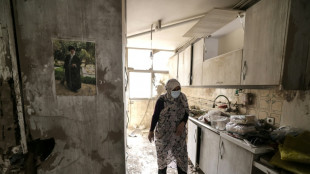
Israel says killed Iran national security chief Larijani
-
 Millions of Indonesians in Eid travel exodus
-
Israel strikes Beirut suburbs as displacement shelters overflow

-
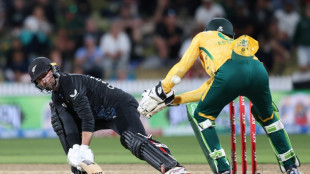 Hard-hitting Conway steers New Zealand to victory over South Africa
-
During Ramadan, Senegal's Baye Fall community lives to serve
-
 Afghan govt says 'around 400' killed in Pakistani strike on Kabul rehab clinic
-
Russian ballet banned for 'gay propaganda' gets new life in Berlin

-
 Malaysia hit with 3-0 forfeits to send Vietnam to Asian Cup
-
Rescue workers comb ruins of Kabul drug clinic after Pakistan strike

-
 'Many dead': Wounded survivor escaped Kabul clinic strike
-
Belgian court decides on holding trial over 1961 Congo leader murder

-
 Kabul drug rehab clinic in ruins after Pakistan strikes on Afghanistan
-
Israel strikes Tehran, Beirut as Iraq pulled deeper into Mideast war
-
 Georgia ready for rugby elite despite rare Portugal defeat
-
Doncic leads Lakers to sixth straight win, Spurs sink Clippers

France's debt is growing
France is facing an unprecedented financial challenge. With public debt exceeding €3.2 trillion, representing more than 110% of gross domestic product (GDP), the eurozone's second-largest economy is on a dangerous path. The budget deficit is around 5.5% of GDP and is expected to rise to over 6% this year. These figures significantly exceed EU targets, which allow a maximum deficit of 3% and a debt ratio of 60% of GDP. The financial markets are becoming increasingly nervous, and interest rates on French government bonds are climbing to record levels. What has led to this debt chaos, and how can France avoid the looming abyss?
The roots of the crisis run deep. For decades, France has had a relaxed attitude towards debt, which differs from the strict budgetary discipline of other countries such as Germany. During the coronavirus pandemic and the energy crisis resulting from the war in Ukraine, the government pumped billions into the economy to support households and businesses. Subsidies for electricity prices and generous social benefits kept the economy stable but led to a sharp rise in debt. Since 2017, when President Emmanuel Macron took office, public debt has grown by almost one trillion euros. Critics accuse the government of delaying necessary structural reforms, while the government's spending ratio is just under 60% of GDP – one of the highest in the world.
The political situation is exacerbating the crisis. Following early parliamentary elections in the summer of 2024, parliament is fragmented and majorities are difficult to form. Prime Minister François Bayrou, who has been in office since autumn 2024, has presented an ambitious austerity programme to reduce the deficit to below 3% by 2029. The measures include the abolition of two public holidays, a freeze on pensions and social benefits, the elimination of 3,000 civil service jobs and higher taxes on high incomes. However, these plans are meeting with fierce resistance. The right-wing nationalist party Rassemblement National and left-wing parties are threatening votes of no confidence, which could bring down Bayrou's government. His predecessor, Michel Barnier, was forced to resign after only three months in office when his draft budget failed.
The financial markets are watching the situation with suspicion. Interest rates on French government bonds are now exceeding those of Greece in some cases, which is an alarming sign. France spends around 50 billion euros a year on debt servicing alone, and the trend is rising. Experts warn that this figure could climb to between 80 and 90 billion euros by 2027, making investment in education, infrastructure and climate protection virtually impossible. Rating agencies such as S&P and Moody's still rate France's creditworthiness as solid, but have threatened downgrades if the deficits are not reduced.
The crisis also has European dimensions. France is systemically important for the eurozone, and an uncontrolled rise in debt could jeopardise the stability of the single currency. Unlike the Greek debt crisis in 2008, when rescue funds were used, a bailout package for France would be almost impossible to finance. The EU has launched disciplinary proceedings against France to exert pressure for budget consolidation, but political instability is hampering reforms.
What can France do? Bayrou's austerity plans are a first step, but their implementation is uncertain. Tax increases are politically sensitive, as France already has one of the highest tax rates in Europe. Spending cuts could slow economic growth, which is just over 1% this year. At the same time, experts are calling for structural reforms to increase productivity and reduce dependence on the public sector. Without clear political majorities, there is a risk that France will slide further into debt.
Citizens are already feeling the effects of the crisis. Strikes and protests against austerity measures are on the rise, and social tensions are running high. Many French people feel caught between high living costs and impending cuts. The government faces the challenge of regaining credibility without losing the trust of the markets or the population.
A way out of the debt chaos requires courage and a willingness to compromise. Bayrou has described the situation as ‘the last stop before the abyss.’ Whether France can overcome this crisis depends on whether politicians and society are prepared to make tough decisions. Time is pressing, because the financial markets will not tolerate any further delays. France is at a crossroads – between reform and risk.
Will Trump's deportations be profitable?

Ishiba's Plan to Change Power in Asia

EU: Online platforms to pay tax?
EU: Energy independence achieved!

EU: Record number of births!

EU: Military spending is on the rise!
Crisis: EU bicycle production drops!

EU: Foreign-controlled enterprises?

EU DECODED: Deforestation law’s trade-offs

Underwater Wi-Fi: European startups woo investors
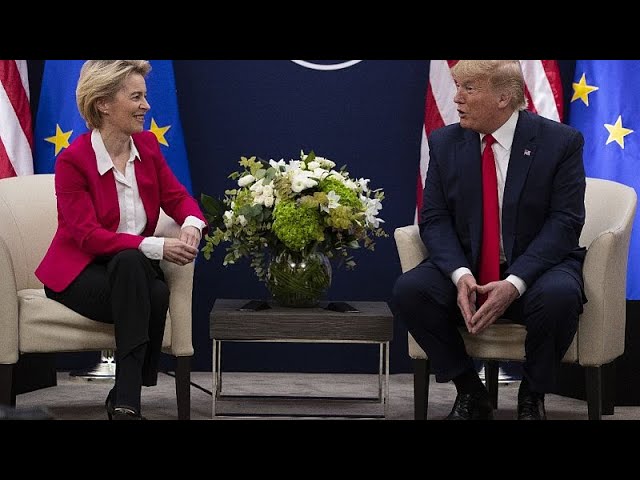
Trump's US support for Ukraine and China?