-
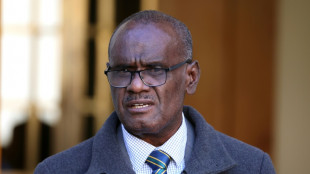 Solomon Islands leader loses court appeal, must face no confidence vote
-
Former world skating champion Uno joins pro eSports team

-
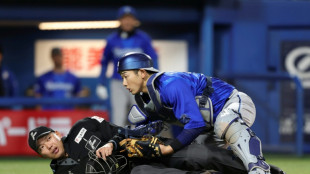 Japan baseball umpire hit by bat still unconscious two weeks on
-
Nakatani says won't be intimidated in sold-out Inoue title clash

-
 T-Wolves eliminate Nuggets as Knicks demolish Hawks in NBA playoffs
-
Timberwolves eliminate Jokic's Nuggets from NBA playoffs

-
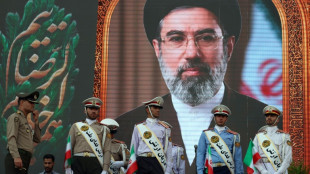 Iran activates air defences as Trump faces congressional deadline
-
Arsenal seek to ramp up heat on Man City in title race

-
 PSG closing in on another French title before Bayern second leg
-
Espanyol must stop rot against Real Madrid as Barca eye title

-
 Leipzig can book return to Champions League as Bundesliga top-four rivals meet
-
Injuries add to Bath's challenge for Champions Cup semi in Bordeaux

-
 Karius getting 'back to the top' with promotion-chasing Schalke
-
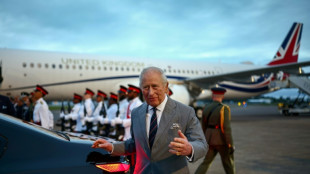
King Charles arrives in Bermuda after whirlwind US visit
-
 Clashes erupt in Australian town over death of Indigenous girl
-
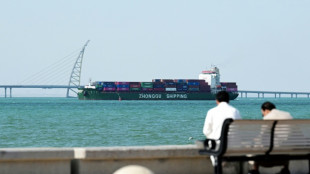
Iran war redraws sea routes with Africa as the pivot
-
 India's cows offer biogas alternative to Mideast energy crunch
-
Afghans celebrate spring in bright red poppy fields

-
 Finland's 'Flamethrower' and 4 other Eurovision favourites
-
Crude edges up after wild swing, stocks track Wall St rally

-
 Eurovision: 70 years of geopolitics, patriotism, music and glitter
-
Knicks demolish Hawks to advance in NBA playoffs

-
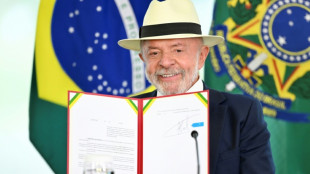 Blockbuster EU-Mercosur trade deal enters into force
-
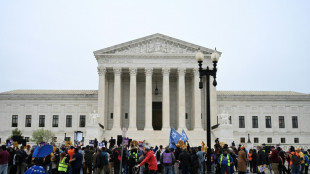
'Uncharted': US court ruling shakes up battle for Congress
-
 Florida executes man who spent nearly 50 years on death row
-
Ace lifts rookie Green to share of LPGA lead as Korda lurks

-
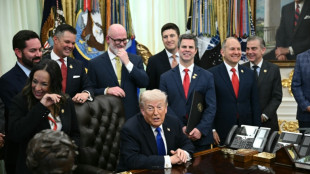 Wear a bulletproof vest? I don't want to look fat, says Trump
-
The Family Channel and The Heartland Network Join With Augason Farms and 4Patriots To Launch GET PREPARED

-
 InterContinental Hotels Group PLC Announces Transaction in Own Shares - May 01
-
Snipp Interactive Reports Financial Results for Q4 and Fiscal 2025; Announces Conference Call on May 5, 2026

-
 World No. 4 Young leads at PGA Cadillac Championship
-
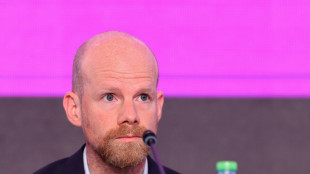
FIFA to review ticket strategy for 2030 World Cup
-
 Bucks hire ex-Grizzlies coach Jenkins
-
Japanese tennis trailblazer Nishikori to retire at end of season

-
 Palestinian football chief slams Israeli official at FIFA meeting
-
Britney Spears formally charged with DUI in California

-
 Rayo grab lead over Strasbourg in Conference League semi
-
New Princess Diana documentary promises her own words

-
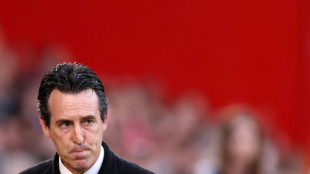 Villa boss Emery fumes as Forest star Anderson escapes red card
-
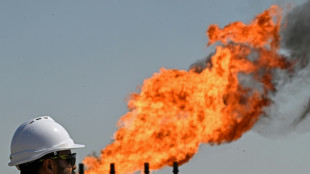
Oil slumps after hitting peak, US indices reach new records
-
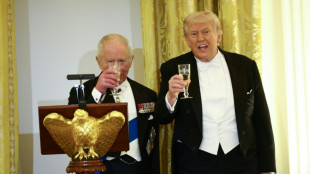 Trump says lifting Scottish whisky tariffs to 'honor' King Charles
-
Venezuela leader hikes minimum wage package by 26%

-
 PGA Tour golfers take wait-and-see approach amid LIV turmoil
-
Braga strike late to seize advantage over Freiburg in Europa League semi

-
 Miami GP could be moved up as thunderstorms threaten - drivers
-
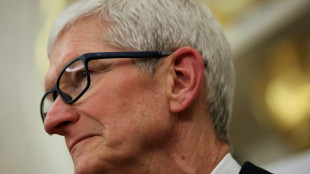
Apple earnings beat forecasts on iPhone 17 demand
-
 Crystal Palace beat Shakhtar to close in on Conference League final
-
Wood punishes Digne blunder as Forest earn Europa semi-final lead against Villa

-
 Formula One drivers welcome rule tweaks, but say more change needed
-
Bangladesh signs biggest-ever plane deal for 14 Boeings

Spain defies NATO's 5% goal
Spain has recently taken a bold stance by rejecting the North Atlantic Treaty Organization's (NATO) proposal to increase defense spending to 5% of its Gross Domestic Product (GDP). This decision has ignited debates across the international community, questioning Spain's dedication to NATO and the alliance's future defense strategies.
Background of the proposal
At a recent NATO summit held in The Hague, member states deliberated a significant proposal to elevate defense spending to 5% of GDP by 2035. Championed notably by the United States under President Donald Trump, this increase aimed to counter escalating security threats, particularly from Russia. However, Spain, under the leadership of Prime Minister Pedro Sánchez, has firmly opposed this target, highlighting a clash of priorities within the alliance.
Reasons for Spain's rebellion
Spain's economy faces challenges with a high debt-to-GDP ratio and persistent budget deficits. Committing to a 5% GDP defense spending target would necessitate severe cuts in critical sectors such as healthcare, education, and social welfare. Prime Minister Sánchez has labeled this potential shift as "unreasonable and counterproductive," stressing that it could destabilize Spain's economic recovery and social cohesion.
Strategic perspective
Geographically distant from Russia's borders, Spain perceives less immediate threat compared to Eastern European NATO members. This distance influences Spain's defense priorities, leading Sánchez to argue that Spain can fulfill NATO's capability requirements efficiently without adhering to the proposed spending hike. He advocates for resource allocation based on strategic necessity rather than a uniform percentage.
Reactions and repercussions
Spain's stance has elicited mixed responses. Within NATO, some member states and U.S. officials have voiced concerns, suggesting that this could undermine the alliance's collective defense strength and signal vulnerability to adversaries. President Trump has even hinted at retaliatory measures, such as imposing higher tariffs on Spanish exports.
Conversely, Spain stands firm, proposing a more tailored approach to defense contributions. Sánchez suggests that NATO should assess member contributions based on specific defense needs and capabilities, promoting fairness and flexibility across the alliance.
Broader implications
This rebellion underscores a growing rift within NATO regarding defense spending priorities. It challenges the alliance to reconsider how it measures and distributes defense responsibilities, balancing collective security with the diverse economic realities of its members. Spain's position could prompt a broader dialogue on adapting NATO's strategies to contemporary global security demands.
Conclusion of all
Spain's rejection of NATO's 5% GDP defense spending target reflects a complex interplay of economic limitations, strategic considerations, and political resolve. While it has strained relations within the alliance, it also opens the door for NATO to refine its approach, ensuring resilience and unity in addressing future threats.
Россия: Людмила Путин зарабатывала на долгах
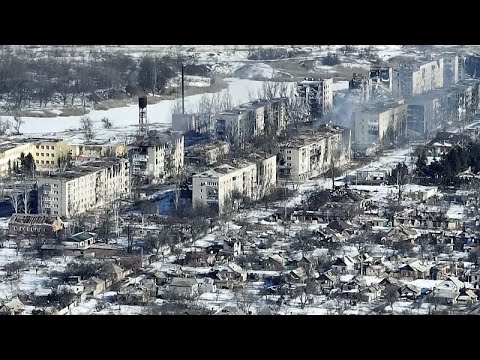
Ukraine: Bakhmut at the centre of the fight against Russia's terror?
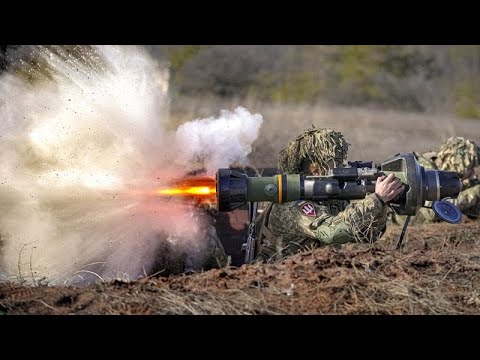
Arms imports to Europe have risen sharply, new report finds
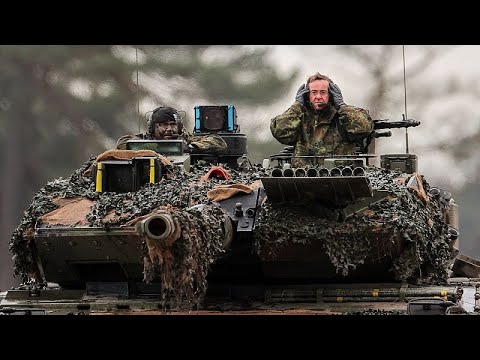
Russia with a big mouth but nothing behind it!

The EU and the energy crisis
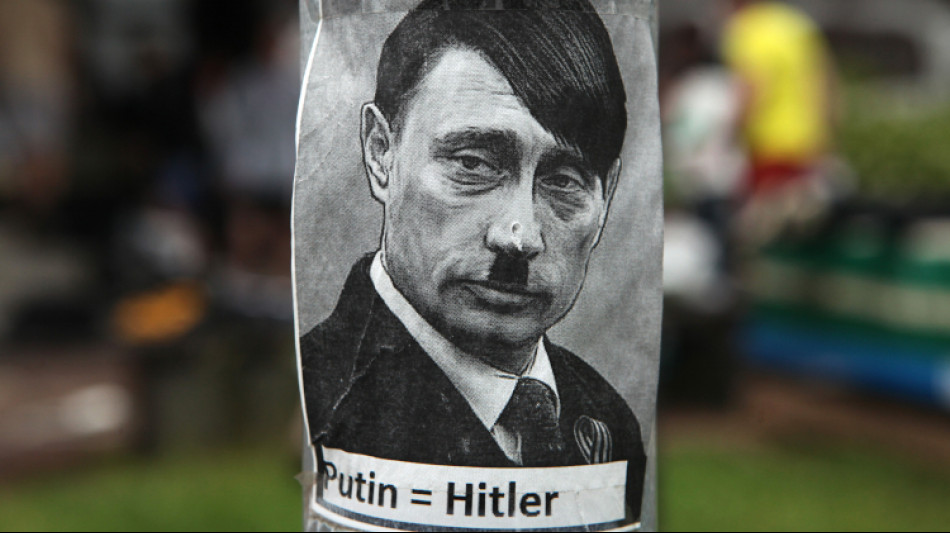
Russian scum beats own soldiers
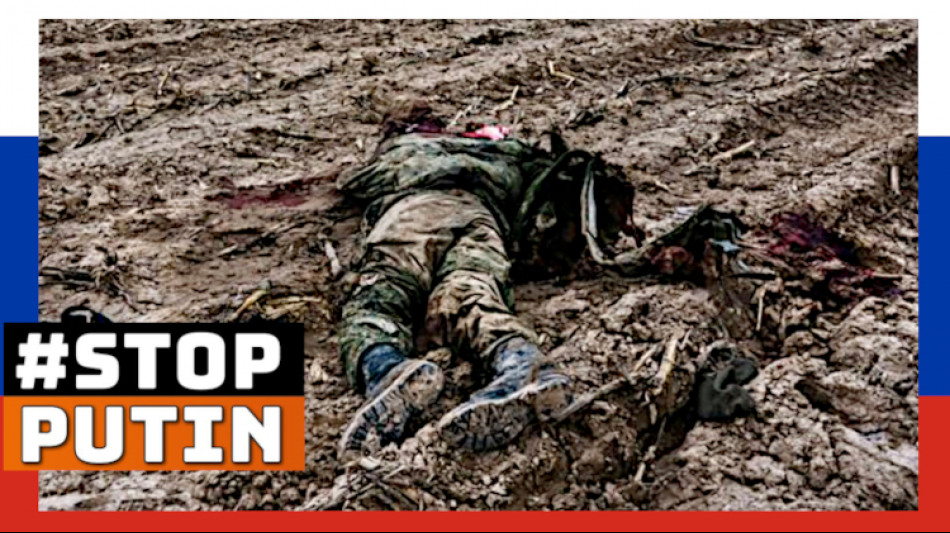
Ukraine: Russians die like fucking flies!
Antisocial Russian propaganda

Electric ferries: Cleaner ships vs. diesel?
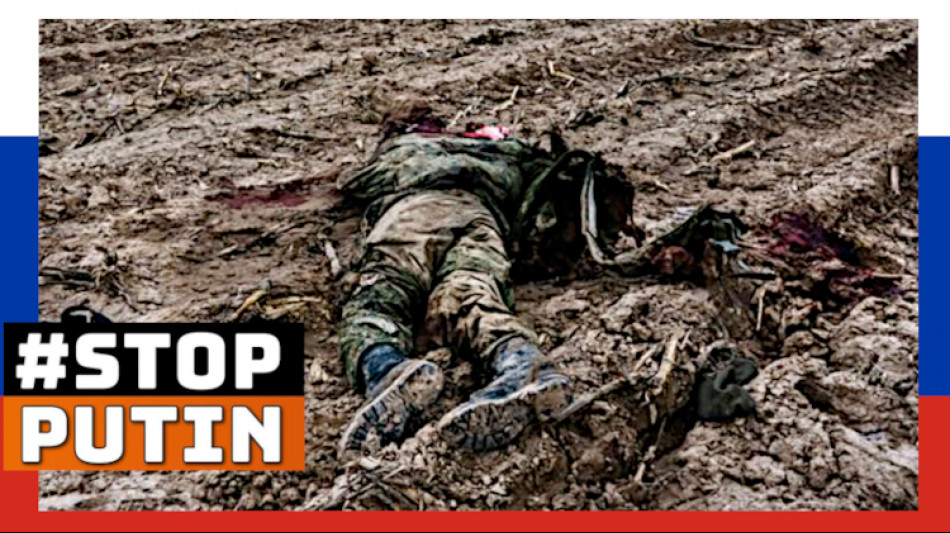
Dead Russian scum in Ukraine
US Supreme Court: Trump must disclose tax returns