-
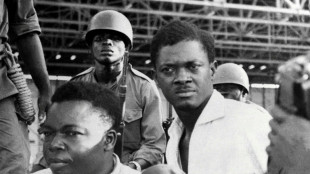 Belgian court decides on holding trial over 1961 Congo leader murder
-
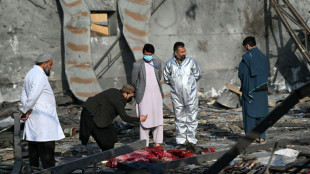
Kabul drug rehab clinic in ruins after Pakistan strikes on Afghanistan
-
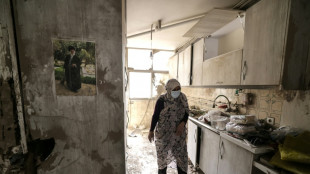 Israel strikes Tehran, Beirut as Iraq pulled deeper into Mideast war
-
Georgia ready for rugby elite despite rare Portugal defeat

-
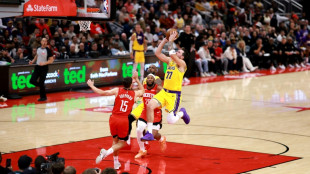 Doncic leads Lakers to sixth straight win, Spurs sink Clippers
-
Iran 'negotiating' with FIFA over moving World Cup games to Mexico: embassy
-
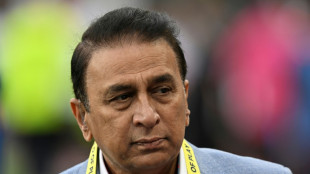 Gavaskar condemns Indian-owned franchise for signing Pakistan bowler
-
Cash handouts, fare hikes as Philippines battles soaring fuel costs

-
 Alleged Bondi Beach killer's mother received death threats, court told
-
Venezuela end Italy fairytale to reach World Baseball Classic final

-
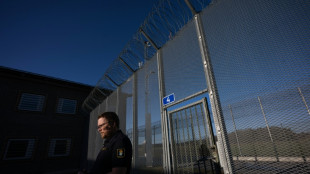 Sweden's prisons prepare to house young teens
-
Indonesia weighs response to price pressures from Middle East war
-
 In Hollywood, AI's no match for creativity, say top executives
-
Sao Paulo AI policing nabs criminals, and a few innocents
-
 Trump faces coalition of the unwilling on Iran
-
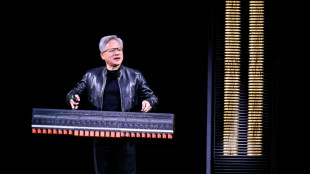
Nvidia chief expects revenue of $1 trillion through 2027
-
 Nvidia making AI module for outer space
-
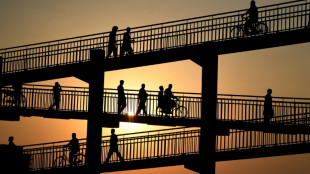
Migrant workers bear brunt of Iran attacks in Gulf
-
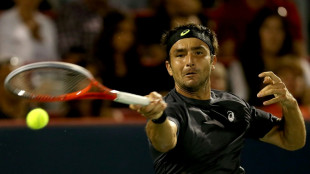 Former tennis world number 39 banned for doping
-
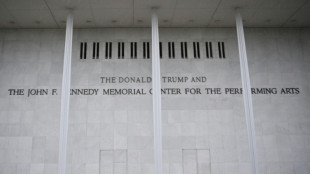
Kennedy Center board approves 2-year closure for renovation
-
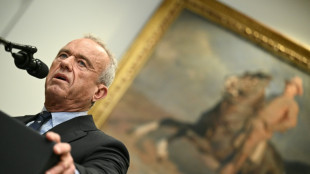 US judge halts implementation of Trump vaccine overhaul
-
Afghanistan accuses Pakistan of deadly airstrike on drug rehab centre in Kabul

-
 Iran footballers train with Australia club and say 'everything will be fine'
-
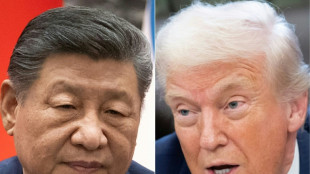
Trump asks China to delay Xi summit as Iran war rages
-
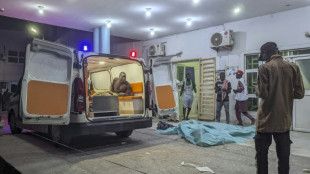 Multiple suicide bombers hit Nigeria's Maiduguri city after years of calm
-
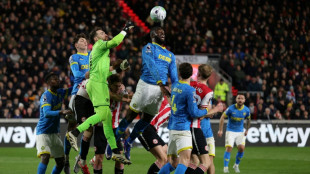
Wolves fightback frustrates Brentford
-
 Trump vows to 'take' Cuba as island reels from oil embargo
-
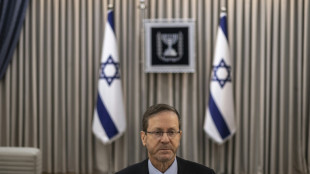
Israel president tells AFP Europe should back efforts to 'eradicate' Hezbollah
-
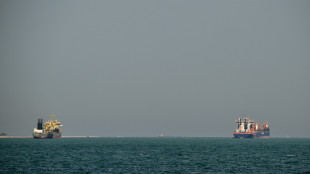 Equities rise on oil easing, with focus on Iran war and central banks
-
Mbappe set for Real Madrid return against Man City

-
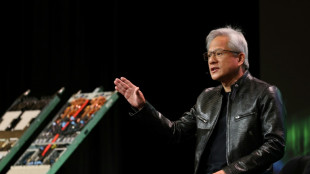 Nvidia rides 'claw' craze with AI agent platform
-
Alleged narco trafficker makes first US court appearance

-
 Neymar misses out as Endrick returns to Brazil squad
-
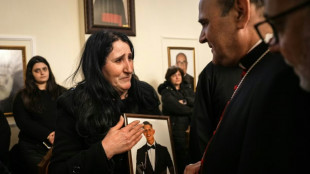
South Lebanon's Christian towns insist they are not part of Israel-Hezbollah war
-
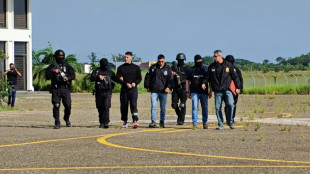 Alleged narco trafficker Marset makes first US court appearance
-
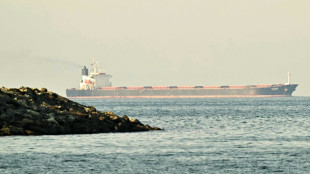
Securing the Strait of Hormuz: Tactics and threats
-
 Cuba hit by total blackout as US fuel blockade bites
-
'Buffy' reboot cancelled: Sarah Michelle Gellar

-
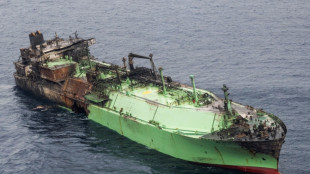 Damaged Russian tanker has 700 tonnes of fuel on board: Moscow
-
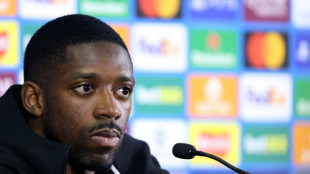
PSG will go for the kill against Chelsea: Dembele
-
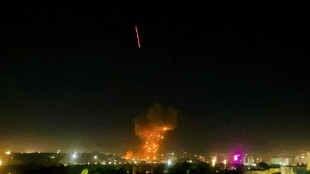 Afghan govt accuses Pakistan after new strikes on Kabul
-
Chelsea huddle not meant to 'antagonise' says Rosenior
-
 Talks towards international panel to tackle 'inequality emergency' begin at UN
-
Trump pushes for 'enthusiasm' from allies to secure Hormuz
-
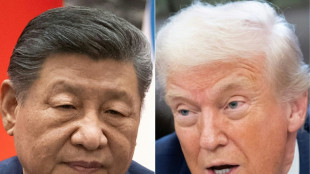 US, China hold 'constructive' talks on trade, but Trump visit in doubt
-
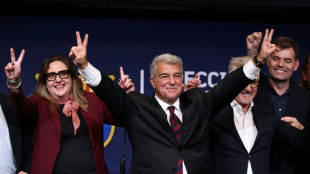
Laporta's new Barca chapter begins with Newcastle clash
-
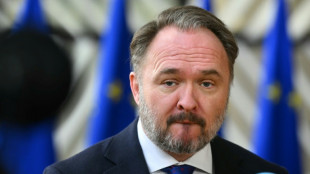 EU talks energy as oil price soars
-
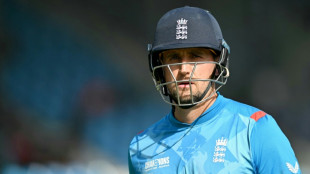
Out-of-favour Livingstone says 'no-one cares' in England set-up
-
 Rising star Antonelli says Chinese GP triumph 'starting point' for F1 success
-
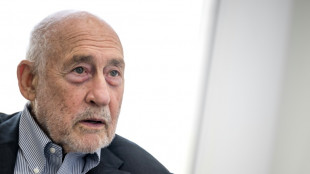
Stagflation risk in US 'quite high': Nobel-winning economist Stiglitz
Israel's Covert Nuclear Rise
Israel’s emergence as a nuclear power is one of the most secretive and controversial developments in modern geopolitics. While the country has never officially confirmed or denied possessing nuclear weapons, it is widely believed to have developed a sophisticated nuclear arsenal. This article explores the key milestones and strategies that enabled Israel to become a nuclear power while maintaining a policy of deliberate ambiguity.
The Early Beginnings
The origins of Israel’s nuclear program trace back to the 1950s, shortly after the nation’s establishment in 1948. In 1952, the Israel Atomic Energy Commission was created, led by Ernst David Bergmann, a scientist who saw nuclear weapons as essential for Israel’s survival amid regional threats. The young nation, surrounded by hostile neighbors, sought a deterrent that could ensure its security.
A critical step occurred in the late 1950s when Israel began constructing the Dimona nuclear facility in the Negev desert. With significant assistance from France, which provided technology and expertise, the facility was built under a veil of secrecy. Officially labeled a "textile factory," Dimona became the heart of Israel’s nuclear ambitions. By the mid-1960s, it is believed that Israel had produced its first nuclear weapon, though no official records confirm this timeline.
The Policy of Nuclear Ambiguity
Central to Israel’s strategy is its policy of "nuclear ambiguity." This approach avoids explicit confirmation or denial of nuclear weapons possession, allowing Israel to maintain deterrence without triggering an arms race or international backlash. Israeli leaders have adhered to this stance for decades, rarely commenting on their capabilities. However, in 2006, then-Prime Minister Ehud Olmert briefly listed Israel among nuclear-armed states in an interview, a rare slip that was swiftly minimized.
The Whistleblower’s Revelation
The secrecy surrounding Dimona was shattered in 1986 when Mordechai Vanunu, a former technician at the facility, leaked photographs and details to the public. His revelations suggested that Israel possessed between 100 and 200 nuclear warheads, confirming suspicions about its capabilities. Vanunu’s actions led to his abduction by Israeli intelligence and an 18-year prison sentence, underscoring the lengths Israel would go to protect its nuclear program.
Advanced Delivery Systems
Israel’s nuclear arsenal is thought to be supported by a range of delivery systems. The Jericho series of ballistic missiles, initially developed with French assistance, can reportedly carry nuclear warheads over thousands of kilometers. Additionally, Israel’s fleet of Dolphin-class submarines, acquired from Germany, is rumored to be equipped with nuclear-tipped cruise missiles, offering a second-strike capability that enhances its deterrence.
International Stance and Regional Tensions
Israel has never joined the Nuclear Non-Proliferation Treaty (NPT), a decision that has drawn criticism, especially from regional rivals like Iran. Israeli officials maintain that they will not be the first to introduce nuclear weapons into the Middle East, a statement crafted to preserve ambiguity. In recent years, tensions with Iran over its nuclear program have spotlighted Israel’s own capabilities, with Israeli leaders advocating strong measures to prevent Tehran from achieving similar status.
A Lasting Legacy
Israel’s journey to nuclear power relied on strategic partnerships, covert operations, and a steadfast commitment to secrecy. While the full scope of its arsenal remains undisclosed, its status as a nuclear power is rarely questioned today. This reality continues to influence Middle Eastern geopolitics, shaping both regional dynamics and global efforts to curb nuclear proliferation.
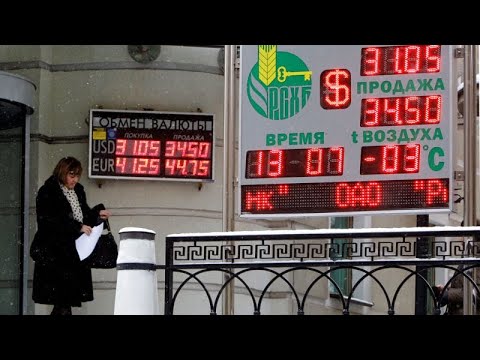
Ruble at the end: Russia's currency on the brink of collapse
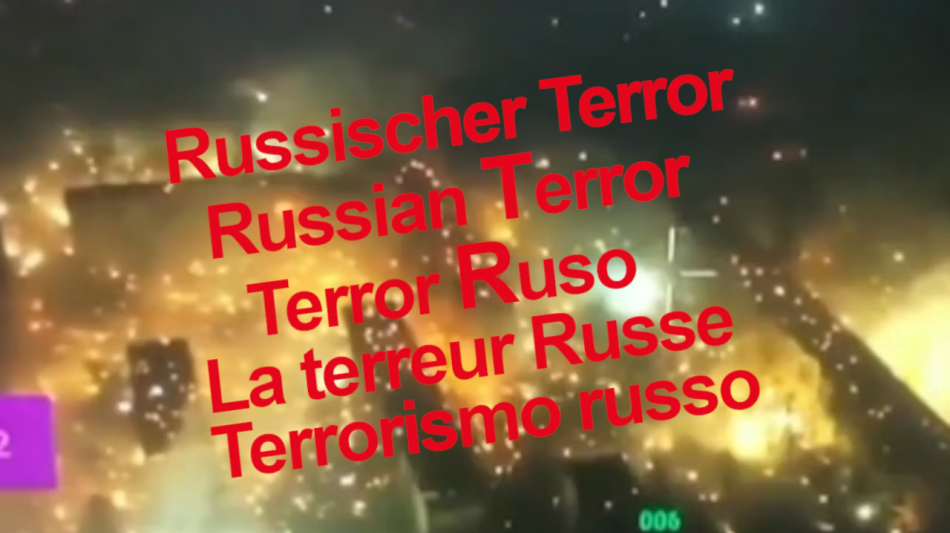
Russia in Ukraine: murder, torture, looting, rape!
That's how terror Russians end up in Ukraine!

Spain: Sánchez's aim of a left coalition will fail!

Russland, der Terror-Staat / Russia, the terrorist state!
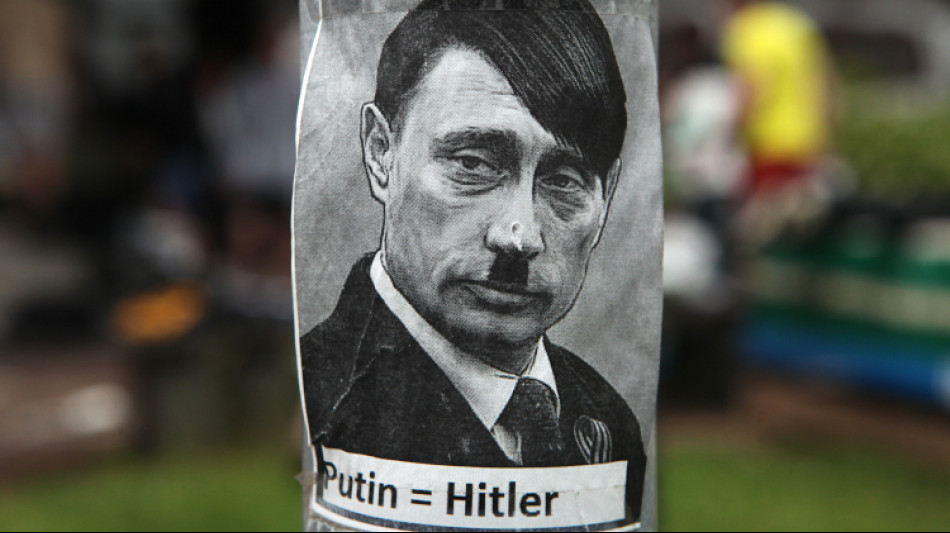
Ukraine in the fight against the russian terror State
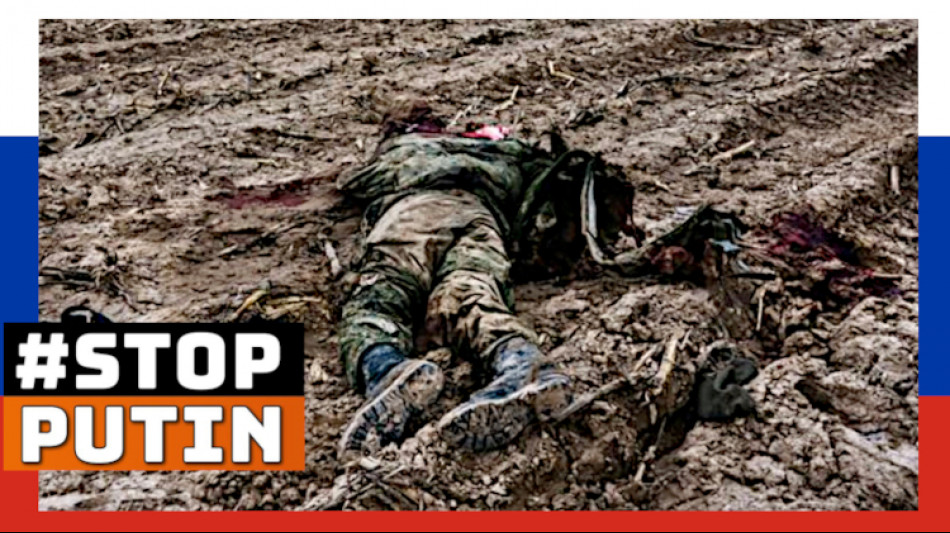
The Russian criminals will never own Ukraine!
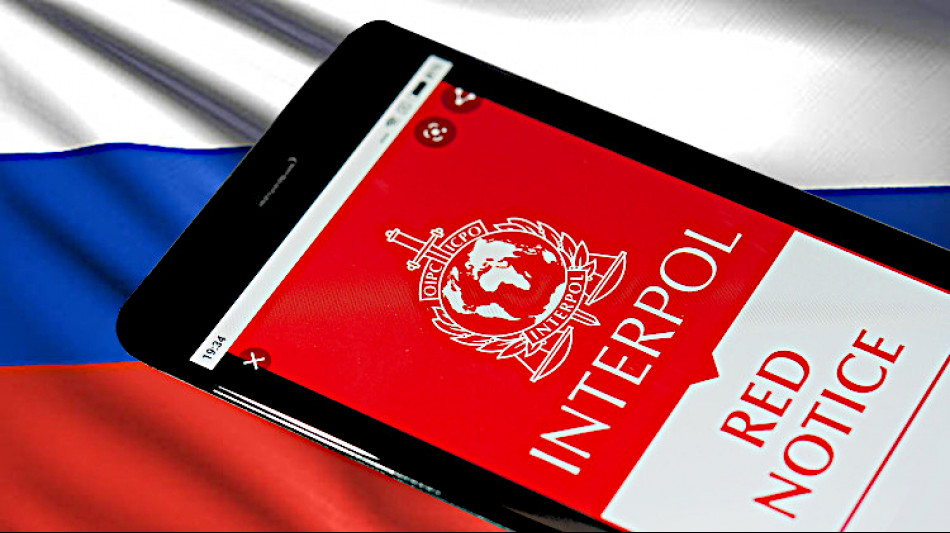
ATTENTION, ATENCIÓN, УВАГА, ВНИМАНИЕ, 注意事项, DİKKAT, 주의, ATENÇÃO
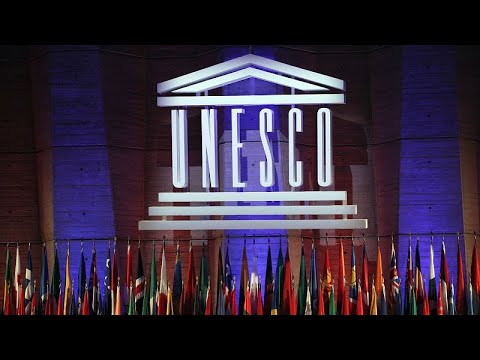
UNESCO accepts the US back into the fold after a five-year absence

This is how the Russian scum in Ukraine ends!

Video, ビデオ, 视频, Відео, 비디오, Wideo, 動画, Βίντεο, Видео!!