-
 Arizona charges prediction market Kalshi with illegal election betting
-
Leftist New York mayor under pressure on Irish unity question

-
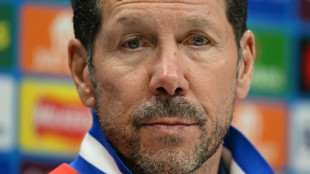 Atletico boss Simeone defends Spurs star Romero
-
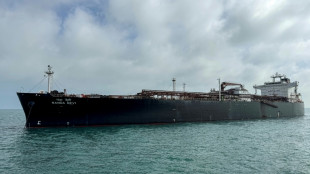
Iran vets friendly ships for Hormuz passage: trackers
-
 Iran women's football team arrive in Turkey on way home
-
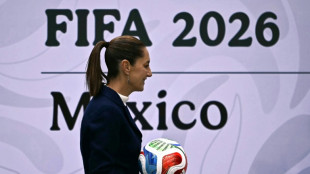
Mexico prepared to host Iran World Cup games, says president
-
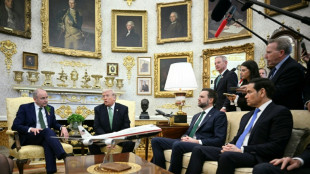 Trump blasts 'foolish' NATO on Iran, says US needs no help
-
Slot vows to win back support of frustrated Liverpool fans
-
 In Ukraine, Sean Penn gifted Oscar made from train carriage hit by Russia
-
Ships in Gulf risk shortages on board, industry warns
-
 White House piles pressure on Cuba as island fights power cut
-
Newcastle must grow under Camp Nou pressure: Howe
-
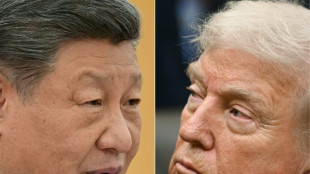 Trump says to make delayed China trip in 'five or six weeks'
-
Kompany warns of complacency as injury-hit Bayern host Atalanta

-
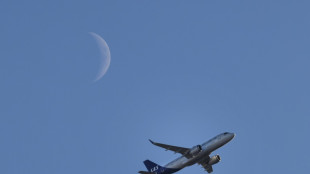 SAS cancels flights after fuel prices surge
-
New particle discovered by Large Hadron Collider
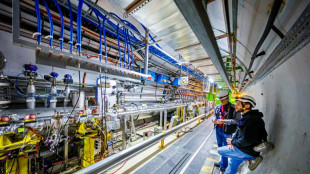
-
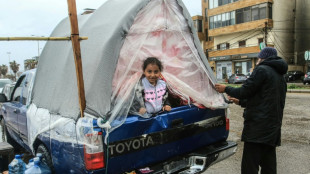 Lebanon says Israeli strikes kill soldiers, as shelters overflow
-
Van de Ven insists it's 'nonsense' to say players don't care about Spurs' plight

-
 Argentina withdraws from World Health Organization
-
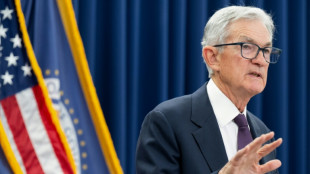
US Fed expected to keep rates steady as Iran war impact looms
-
 Two men in Kenyan court for ant-smuggling
-
Cuba scrambles to restore power as Trump threatens takeover
-
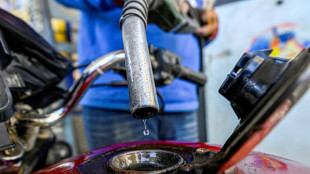 War fuels fears of new oil crisis
-
Kerr 'frustrated' at six-figure sum owed to him by Johnson's failed Grand Slam Track

-
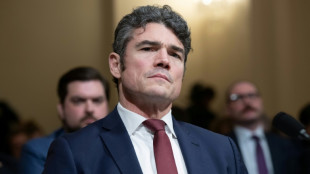 Senior US counterterrorism official resigns to protest Iran war
-
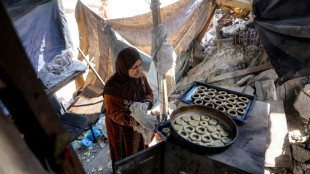
In shadow of Iran war, Gazans prepare for Eid
-
 Oil prices climb as fresh strikes target infrastructure
-
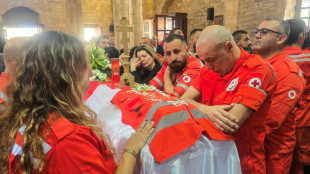
Southern Lebanon paramedics risk deadly Israeli strikes to do their work
-
 Len Deighton, spy novelist who created the anti-Bond
-
Barca Flick's 'last job' but not yet certain on renewal

-
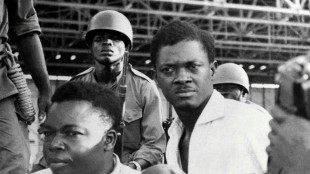 Belgian diplomat ordered to stand trial over 1961 Congo leader murder
-
Pope says idea England 'weren't fussed' about the Ashes was tough to take

-
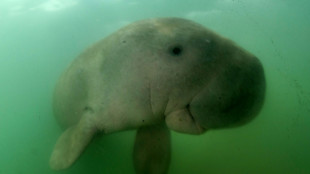 War threatens Gulf's dugongs, turtles and birds
-
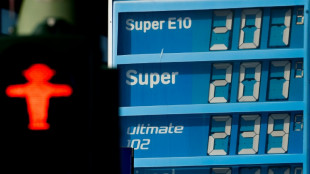
Germany targets oil firms to prevent wartime price gouging
-
 Chelsea striker Kerr sends Australia into Asian Cup final
-
'East meets West': KPop Demon Hunters brings global fans to Seoul's sites

-
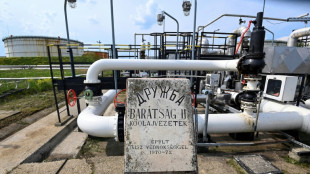 EU to help reopen blocked oil pipeline in Ukraine
-
Thai eSports players sentenced over SEA Games cheating scandal

-
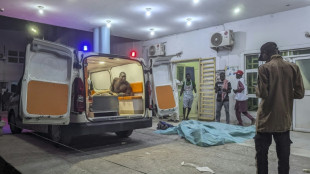 Nigeria suicide bombings kill 23, wound more than 100
-
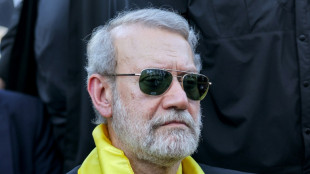
Iran's Larijani, the man whose power grew during Mideast war
-
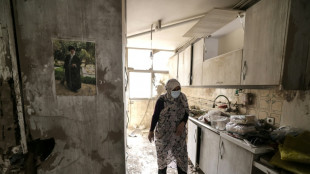 Israel says killed Iran national security chief Larijani
-
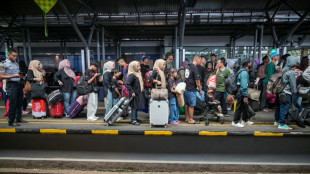
Millions of Indonesians in Eid travel exodus
-
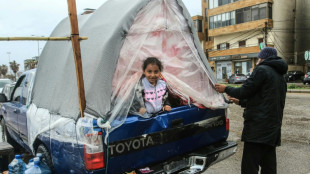 Israel strikes Beirut suburbs as displacement shelters overflow
-
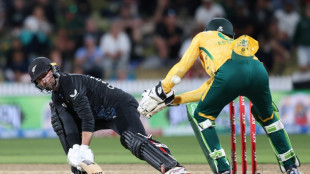
Hard-hitting Conway steers New Zealand to victory over South Africa
-
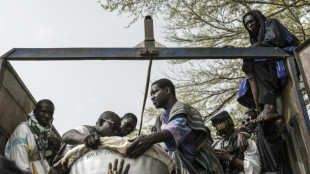 During Ramadan, Senegal's Baye Fall community lives to serve
-
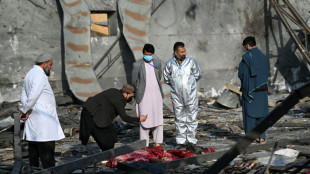
Afghan govt says 'around 400' killed in Pakistani strike on Kabul rehab clinic
-
 Russian ballet banned for 'gay propaganda' gets new life in Berlin
-
Malaysia hit with 3-0 forfeits to send Vietnam to Asian Cup

-
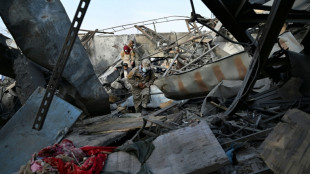
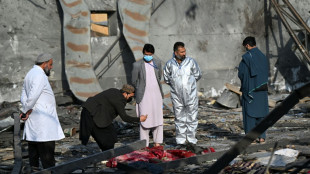 Rescue workers comb ruins of Kabul drug clinic after Pakistan strike
-
'Many dead': Wounded survivor escaped Kabul clinic strike
Israel's Covert Nuclear Rise
Israel’s emergence as a nuclear power is one of the most secretive and controversial developments in modern geopolitics. While the country has never officially confirmed or denied possessing nuclear weapons, it is widely believed to have developed a sophisticated nuclear arsenal. This article explores the key milestones and strategies that enabled Israel to become a nuclear power while maintaining a policy of deliberate ambiguity.
The Early Beginnings
The origins of Israel’s nuclear program trace back to the 1950s, shortly after the nation’s establishment in 1948. In 1952, the Israel Atomic Energy Commission was created, led by Ernst David Bergmann, a scientist who saw nuclear weapons as essential for Israel’s survival amid regional threats. The young nation, surrounded by hostile neighbors, sought a deterrent that could ensure its security.
A critical step occurred in the late 1950s when Israel began constructing the Dimona nuclear facility in the Negev desert. With significant assistance from France, which provided technology and expertise, the facility was built under a veil of secrecy. Officially labeled a "textile factory," Dimona became the heart of Israel’s nuclear ambitions. By the mid-1960s, it is believed that Israel had produced its first nuclear weapon, though no official records confirm this timeline.
The Policy of Nuclear Ambiguity
Central to Israel’s strategy is its policy of "nuclear ambiguity." This approach avoids explicit confirmation or denial of nuclear weapons possession, allowing Israel to maintain deterrence without triggering an arms race or international backlash. Israeli leaders have adhered to this stance for decades, rarely commenting on their capabilities. However, in 2006, then-Prime Minister Ehud Olmert briefly listed Israel among nuclear-armed states in an interview, a rare slip that was swiftly minimized.
The Whistleblower’s Revelation
The secrecy surrounding Dimona was shattered in 1986 when Mordechai Vanunu, a former technician at the facility, leaked photographs and details to the public. His revelations suggested that Israel possessed between 100 and 200 nuclear warheads, confirming suspicions about its capabilities. Vanunu’s actions led to his abduction by Israeli intelligence and an 18-year prison sentence, underscoring the lengths Israel would go to protect its nuclear program.
Advanced Delivery Systems
Israel’s nuclear arsenal is thought to be supported by a range of delivery systems. The Jericho series of ballistic missiles, initially developed with French assistance, can reportedly carry nuclear warheads over thousands of kilometers. Additionally, Israel’s fleet of Dolphin-class submarines, acquired from Germany, is rumored to be equipped with nuclear-tipped cruise missiles, offering a second-strike capability that enhances its deterrence.
International Stance and Regional Tensions
Israel has never joined the Nuclear Non-Proliferation Treaty (NPT), a decision that has drawn criticism, especially from regional rivals like Iran. Israeli officials maintain that they will not be the first to introduce nuclear weapons into the Middle East, a statement crafted to preserve ambiguity. In recent years, tensions with Iran over its nuclear program have spotlighted Israel’s own capabilities, with Israeli leaders advocating strong measures to prevent Tehran from achieving similar status.
A Lasting Legacy
Israel’s journey to nuclear power relied on strategic partnerships, covert operations, and a steadfast commitment to secrecy. While the full scope of its arsenal remains undisclosed, its status as a nuclear power is rarely questioned today. This reality continues to influence Middle Eastern geopolitics, shaping both regional dynamics and global efforts to curb nuclear proliferation.
Will Trump's deportations be profitable?
Ishiba's Plan to Change Power in Asia

EU: Online platforms to pay tax?

EU: Energy independence achieved!

EU: Record number of births!

EU: Military spending is on the rise!
Crisis: EU bicycle production drops!

EU: Foreign-controlled enterprises?

EU DECODED: Deforestation law’s trade-offs
Underwater Wi-Fi: European startups woo investors
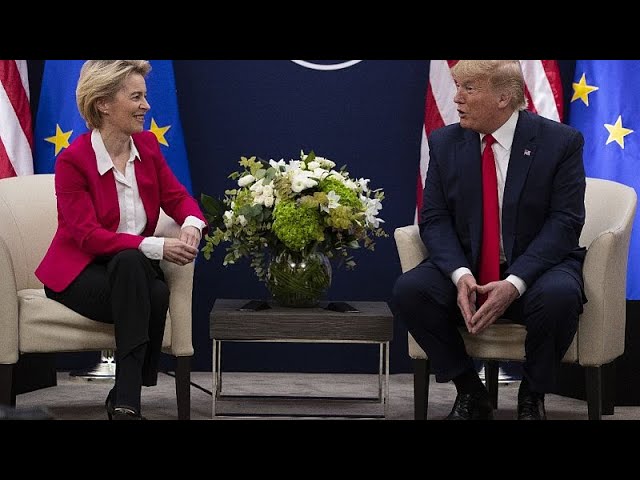
Trump's US support for Ukraine and China?