-
 US appeals court temporarily halts mail delivery of abortion pill
-
Joy for Norris in Miami as McLaren end Mercedes run

-
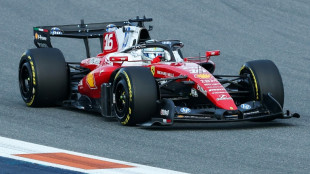 Leclerc offers hope to Ferrari fans in Miami
-
US to withdraw about 5,000 troops from Germany

-
 'No going back' for Colombia's workers as the right eyes return
-
Norris on sprint pole as McLaren shine again

-
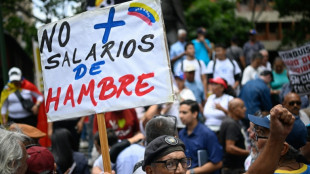 Venezuelan protesters call government wage hike a joke
-
Leeds beat Burnley to virtually secure Premier League survival

-
 Gridlock as pandemic treaty talks fail to finish
-
S&P 500, Nasdaq end at fresh records on tech earnings strength

-
 Immersive art: museum-goers in bikinis dive into Cezanne
-
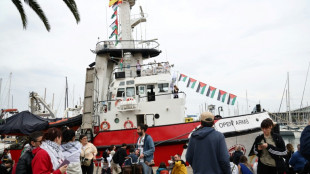
Gaza activists disperse after flotilla halted by Israel off Crete
-
 US sanctions are 'collective punishment,' says Cuba during May 1 marches
-
Top seeds Sinner, Zverev reach Madrid Open final

-
 Pope names former undocumented migrant as US bishop of West Virginia
-
Delhi end slump with team-record chase against Rajasthan

-
 Trump says will raise US tariffs on EU cars to 25%
-
AI actors and writers not eligible for Oscars: Academy

-
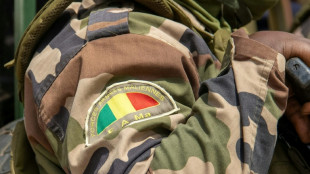 Rebels take key military base in Mali's north
-
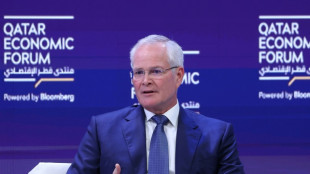
ExxonMobil CEO sees chance of higher oil prices as earnings dip
-
 Leclerc on top for Ferrari ahead of Verstappen and Piastri
-
After Madonna and Lady Gaga, Shakira set for Rio beach mega-gig

-
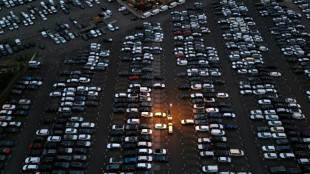 Trump says will raise US tariffs on EU cars, trucks to 25%
-
Godon raises game to take Romandie stage and revenge over leader Pogacar

-
 Celtic's O'Neill expects no let-up from Hibs despite fans' feelings
-
Pope names former undocumented migrant as US bishop

-
 Javelin star Kitaguchi teams up with Czech legend Zelezny
-
Sawe sub-2hr marathon captured 'global imagination' says Coe

-
 King Charles gets warm welcome in Bermuda after whirlwind US visit
-
Sinner shines to beat Fils, reach Madrid Open final

-
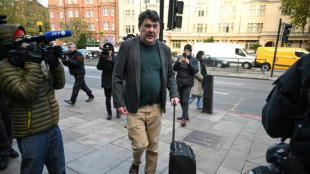 UK court clears comedy writer of damaging transgender activist's phone
-
Was LIV Golf an expensive failure for Saudis? Not everyone thinks so

-
 Coe hails IOC gender testing decision
-
McInnes wants Tynecastle in 'full glory' for Hearts title charge

-
 McFarlane says troubled Chelsea still attractive to potential managers
-
Man Utd boss Carrick relishes 'special' Liverpool rivalry

-
 Baguettes take centre stage on France's Labour Day
-
Spurs must banish 'loser' mentality despite injury woes, says De Zerbi

-
 Arsenal must manage emotions of title race says Arteta
-
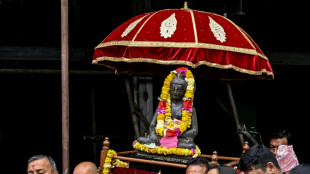
Nepal temple celebrates return of stolen Buddha statue
-
 US Fed official says rate hikes may be needed if inflation surges
-
Fixture pile-up no excuse for Man City in title race: Guardiola

-
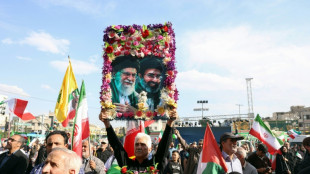 Iran offers new proposal amid stalled US peace talks
-
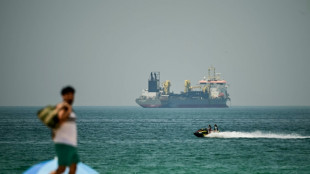
Gulf countries' plans to bypass Hormuz still far off, experts warn
-
 Luis Enrique says 'unique' PSG-Bayern first leg could have gone either way
-
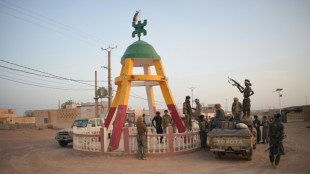
Rebels take key military camp in Mali's north
-
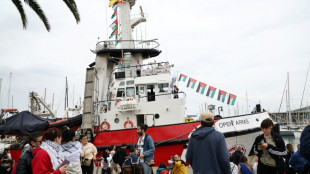 Activists on Gaza aid flotilla seized by Israeli forces disembark in Crete
-
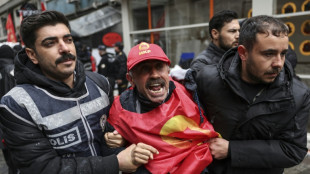
Turkish police fire tear gas, arrest hundreds at Istanbul May Day rallies
-
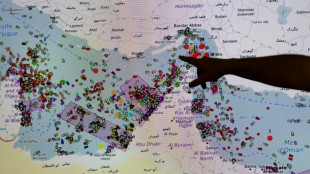 French hub monitors Hormuz tensions from afar
-
Flick happy Raphinha back for Barca with title in sight

India-Pakistan War Fears Grow
Tensions between India and Pakistan have escalated dramatically following a series of military exchanges, raising global concerns about the potential for a full-scale war between the two nuclear-armed neighbors. The latest conflict was triggered by a deadly militant attack in Pahalgam, located in Indian-administered Kashmir, which claimed the lives of 26 people, including civilians and tourists. India has accused Pakistan of involvement in the attack, a claim Islamabad has vehemently denied. In response, India launched a series of strikes on what it described as "terrorist infrastructure" in Pakistan and Pakistan-administered Kashmir, marking one of the most significant military actions between the two countries in decades. Pakistan, in turn, has condemned the strikes as an "act of war" and vowed to retaliate, further intensifying the crisis.
The situation has rapidly deteriorated, with both sides engaging in cross-border drone and missile attacks. India has reportedly targeted multiple sites in Pakistan, including locations in Punjab, a province that had not been directly involved in military confrontations since the 1971 Indo-Pakistan war. Pakistan's military claims to have intercepted several Indian drones and missiles, while also launching its own retaliatory strikes. Casualties have been reported on both sides, with Pakistan stating that at least 31 people, including civilians, were killed in the Indian attacks, and India reporting civilian deaths due to Pakistani shelling. The conflict has also seen the use of advanced military technology, including drones and air defense systems, reflecting the modernization of both countries' armed forces in recent years.
The international community has expressed deep concern over the escalating violence. The United Nations has called for "maximum military restraint," warning that the world cannot afford a war between two nuclear powers. The United States has urged both nations to de-escalate, emphasizing the need for dialogue to prevent further violence. Turkey has also weighed in, condemning India's actions and calling for an investigation into the initial militant attack in Kashmir. Despite these diplomatic efforts, the risk of miscalculation remains high, with both India and Pakistan showing little sign of backing down.
Historically, Kashmir has been a flashpoint for conflict between India and Pakistan, with the two countries fighting three wars over the disputed territory since their independence in 1947. The current crisis echoes previous escalations, such as the 2019 Pulwama attack, which led to Indian airstrikes on Pakistani soil and a subsequent aerial dogfight. However, the scale and depth of the recent strikes, particularly into mainland Pakistan, represent a significant escalation. Analysts warn that the lack of crisis management mechanisms and the heated nationalist rhetoric on both sides could push the situation toward a broader conflict, potentially involving nuclear weapons.
As the world watches with growing alarm, the path to de-escalation remains uncertain. Both nations have upgraded their military capabilities in recent years, with India acquiring advanced jets and drones, and Pakistan bolstering its arsenal with modern fighters and drones. This arms race has raised the stakes, making any military engagement more dangerous than in previous confrontations. While neither side is likely to resort to nuclear weapons unless pushed to the brink, the risk of unintended escalation is ever-present. The coming days will be critical in determining whether diplomacy can prevail or if the region will slide into another devastating war.

Georgia: Ruling party celebrates election victory

Asylum seekers: Return centres – a Solution?

Climate change: A farm in Rotterdam

EU: Overcoming barriers to equality

Germany and its outdated pension system

How important is sustainable development?
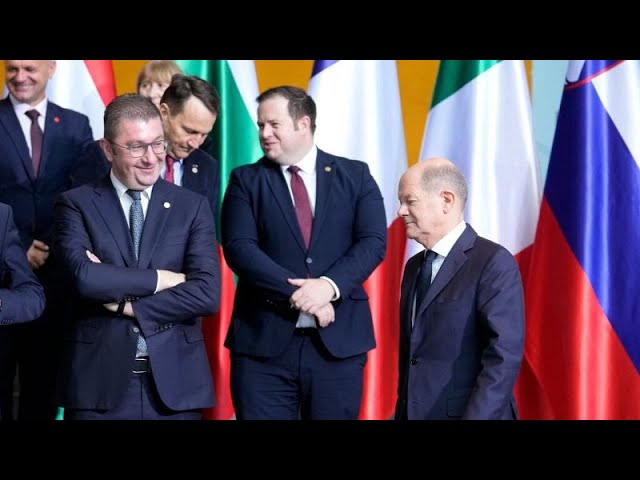
Berlin: EU-Summit of western Balkan heads of state

Putin's War Will Go Bankrupt if the Oil Prices Drop

Germany: The fight against economic migrants
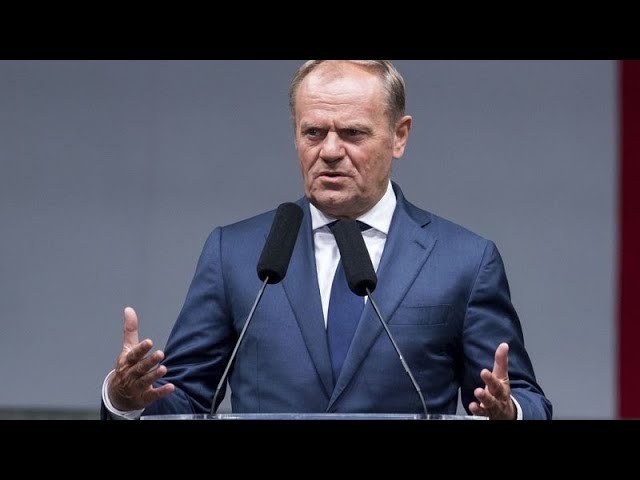
Polish PM and the danger of asylum seekers
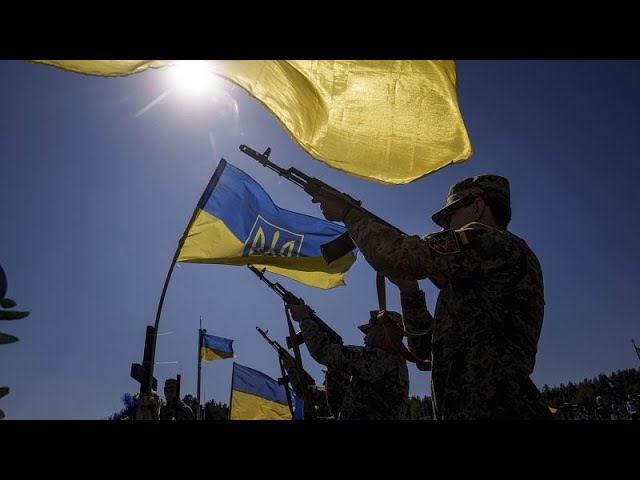
Ukraine: Recruiters searched Kyiv venues