
FireFox Gold Drills Downdip Extension of East Zone, including 1.0m at 124 g/t Au at the Mustajärvi Project in Lapland, Finland

 Kyiv's defences, 'hybrid' threat from Moscow headline EU talks
 Oil extends gains, stocks mostly down as Trump issues fresh Iran warning
 ThinkMarkets Expands Weekend Trading Offering, Launches Weekend League Competition

 Tibet activists accuse China of downplaying floods
 Afghanistan war victims left 'without justice', UN says

 Iran president offers US olive branch before Putin meeting

 China-Nepal flood toll tops 1,000 as tunnel rescue offers last hope

 Japan to relax overtime regulation under workaholic PM
 Thwarted Niger mutiny exposes junta's Russia dependence

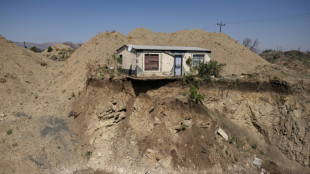 Illegal mining ravages S.Africa's economic hub

 Nepal's wall of missing offers last hope after Himalayan flood

 US to press G20 on light-touch AI regulation

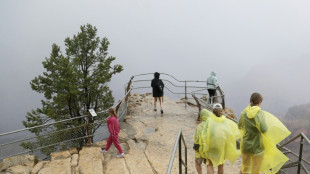 2 die in Grand Canyon flash flood, only 1 person unaccounted for

 US Army Secretary Driscoll submits resignation: White House
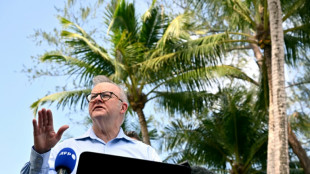
 Oil extends gains, stocks drop as Trump issues fresh Iran warning

 Tsitsipas says Kyrgios's positive cocaine test 'kind of expected'

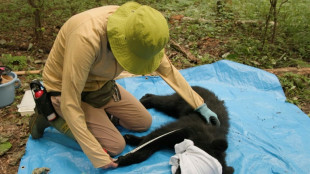 In Japan's mountains, a different way to manage bears

 Middle East war a boon for UAE defence giant with global ambitions
 Former gang member found guilty of murdering Tupac Shakur
 CRI Merges In Morrison & Smith, Expanding Alabama Footprint

 Connecting Excellence Group PLC Announces Treasury up By 10 BTC to 72.941 & £655,999 Raised

 InterContinental Hotels Group PLC Announces Transaction in Own Shares - September 01

 Heavy rain at Grand Canyon after flood kills 2, dozen missing

 Kushner blames soccer power struggle for World Cup plan collapse

 Buoyant Alcaraz shakes off nerves to advance at US Open

SODANKYLÄ, FI / ACCESS Newswire / September 1, 2026 / FireFox Gold Corp. (TSXV:FFOX)(OTCQB:FFOXF)("FireFox" or the "Company") is pleased to report assay results from six additional drill holes completed at its 100%-owned Mustajärvi Gold Project in Lapland, Finland. This work continues to provide data for the anticipated mineral resource estimate for the project. Five holes evaluated infill and step-out targets at the East Zone, and one hole drilled a step-out at the Northeast Zone (see Figure 1 and Table 1).
Highlights from these holes include high-grade intervals in hole 26MJ021 and 26MJ022 from the central part of the East Zone:
26MJ021: 4.0m averaging 1.64 g/t gold from 77.65m depth, including 1.0m at 5.04 g/t gold,
and 2.0m averaging 63.19 g/t gold from 102.4m depth, including 1.0m at 124.0 g/t gold and 0.38% cobalt; and
26MJ022: 6.0m averaging 4.38 g/t gold from 128.0m depth, including 1.0m at 23.5 g/t gold from 132.0m.
Carl Löfberg, FireFox's CEO, commented "Our drilling continues to close gaps and push boundaries at both of the main zones at Mustajärvi (East and Northeast), as part of the core work for completing our maiden resource estimate. The high-grade intercepts in holes 26MJ021 and 26MJ022 are significant because we can see in cross section that these new intercepts demonstrate that the strong mineralization from the heart of the East Zone continues down dip along the shear zone. We are excited to test these deeper targets later in the program. We have also been drilling peripheral to the expected resource area, including at the Central Zone and the Triangle Target, so that we will have a number of new expansion targets ready to support further growth at Mustajärvi through our 2027 drilling program."
Mustajärvi Project and Details of Drill Results
The Mustajärvi Project lies along the highway between the cities of Kittilä and Sodankylä, approximately 17 kilometres east of Kittilä. FireFox and predecessor companies drilled approximately 15,752 metres prior to commencement of the current program and delineated three different lodes of gold mineralization along more than two kilometres of strike. Inclusive of these drill holes, the total drilling on the project is now 28,721 metres.
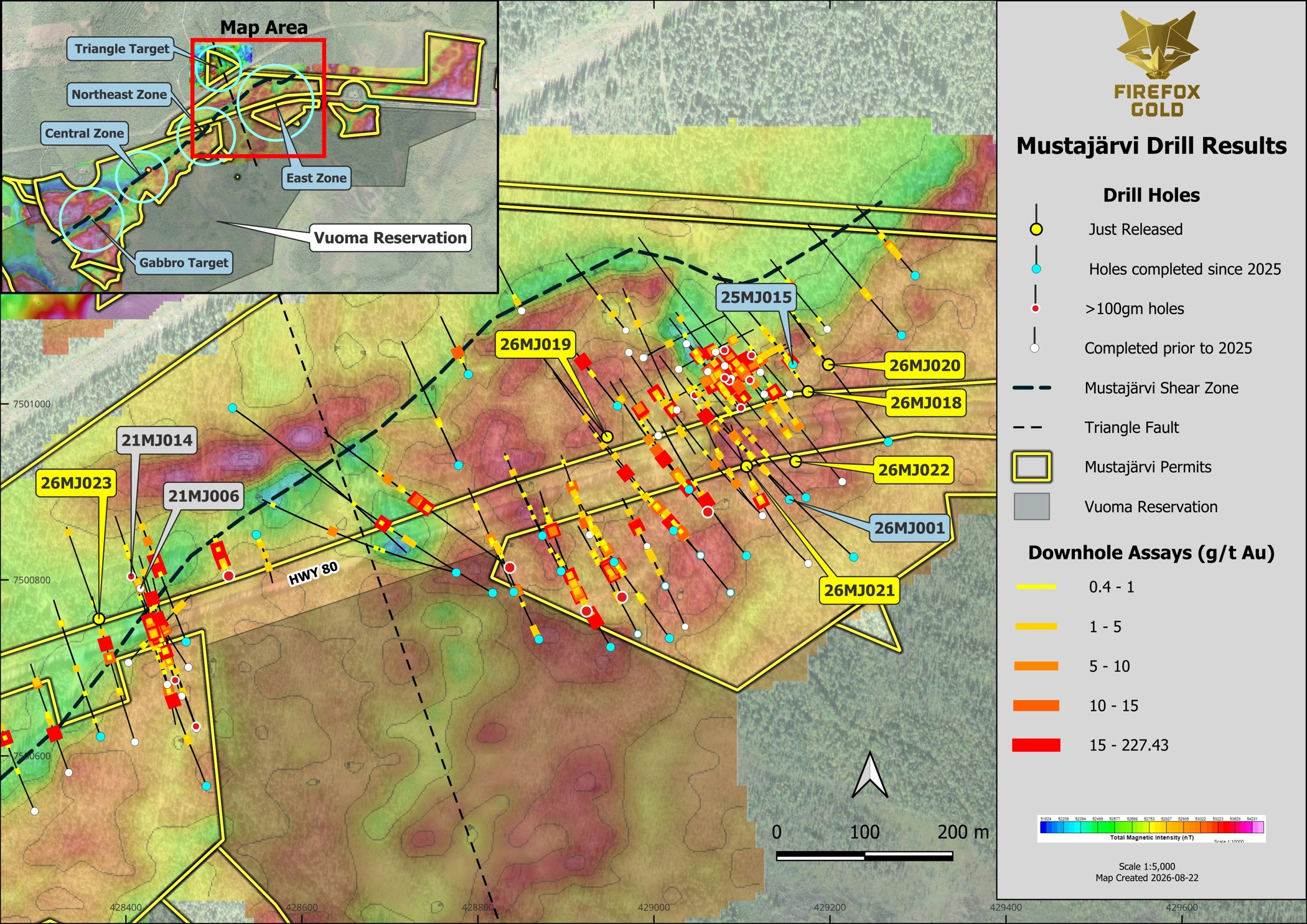
Drill hole 26MJ021 was drilled as a resource infill hole 60 metres northwest of 26MJ001 (reported May 5, 2026). The hole passed through approximately 8.2 metres of thin glacial sediments and intersected the contact between ultramafic volcanic rocks and metasediments at 38.3 metres downhole. The first mineralized interval occurred at the contact between altered mafic intrusive rocks and faulted, intensely albite-kaolinite-altered intermediate tuffites, returning 4.0 metres at 1.64 g/t Au, including 1.0 metre at 5.04 g/t Au from 78.65 metres. The second mineralized interval returned 1.0 metre at 3.97 g/t Au starting at a depth of 94.3 metres, where gold is associated with pyrite veinlets and veins as fracture infill in intensely albite- and silica-altered intermediate tuffites.
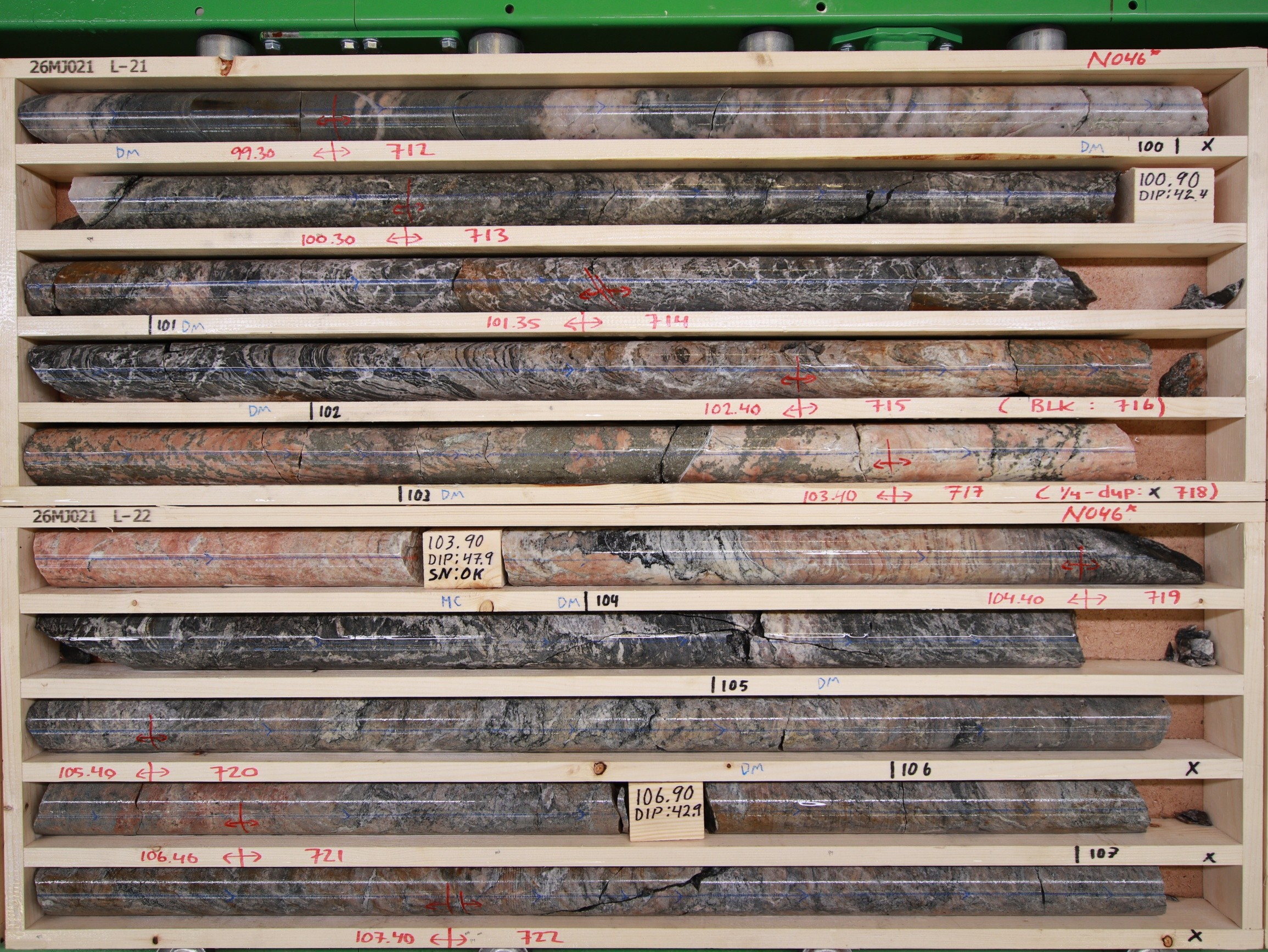
The strongest intercept in the hole was a high-grade interval beginning at 102.4 metres depth, returning 2.0 metres averaging 63.19 g/t Au, including 1.0 metre at 124.0 g/t Au and 0.38% Co. Gold is associated with semi-massive pyrite hosted in strongly albite- and silica-altered intermediate tuffites (see Figure 2). Multi-element assays show a classic association between gold and strongly elevated bismuth, tellurium, and cobalt.
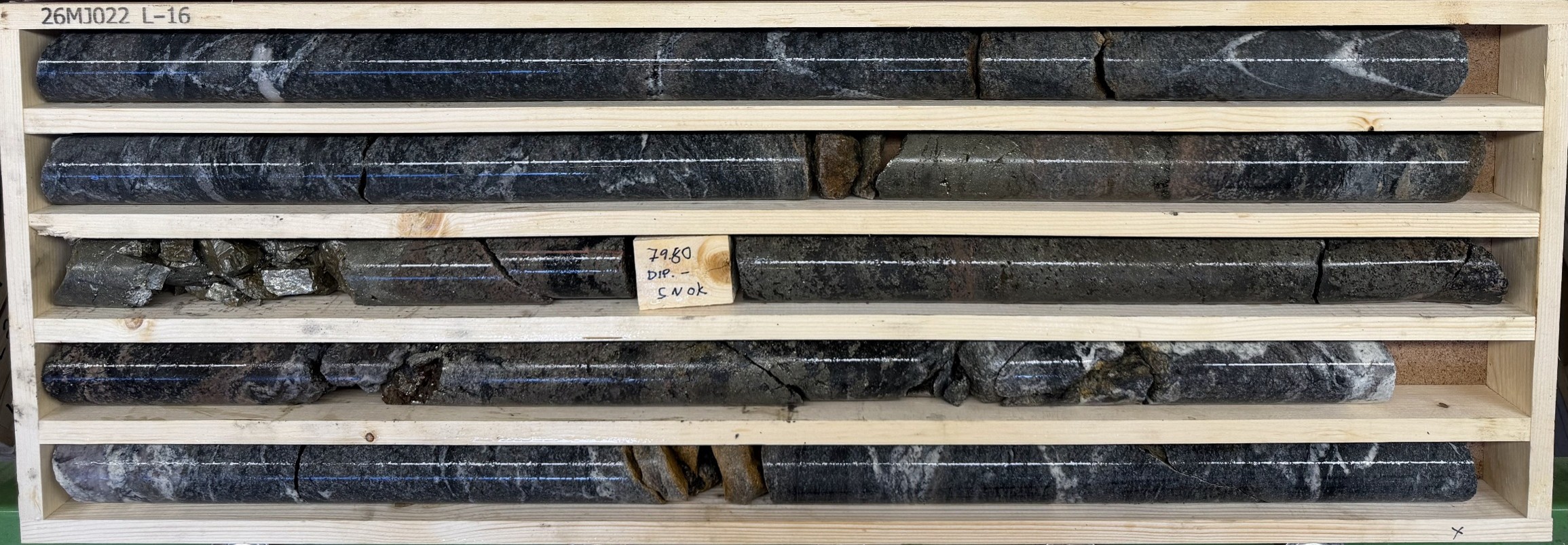
The team also designed drill hole 26MJ022 as a resource infill hole and collared it 56 metres east of 26MJ021. The hole passed through approximately 10.5 metres of thin glacial sediments and intersected the contact between ultramafic volcanic rocks and intrusive mafic volcanic rocks at 66.45 metres depth, followed by metasediments starting at 88.3 metres depth. The hole encountered two separate gold-mineralized intervals, the first of which returned 1.95 metres averaging 1.54 g/t Au from 79.25 metres depth. Gold in this interval is associated with semi-massive to massive pyrite hosted in intensely deformed and albite-altered intrusive mafic rocks (see Figure 3).
The most significant result from the hole was a broad, higher-grade interval of 6.0 metres yielding 4.38 g/t Au from 128.0 metres depth, including 1.0 metre at 23.5 g/t Au from 132.0 metres depth. Gold is associated with disseminated and patchy pyrite in brecciated quartz veins hosted in a deformation zone within sericite-albite-kaolinite-altered metasediments.
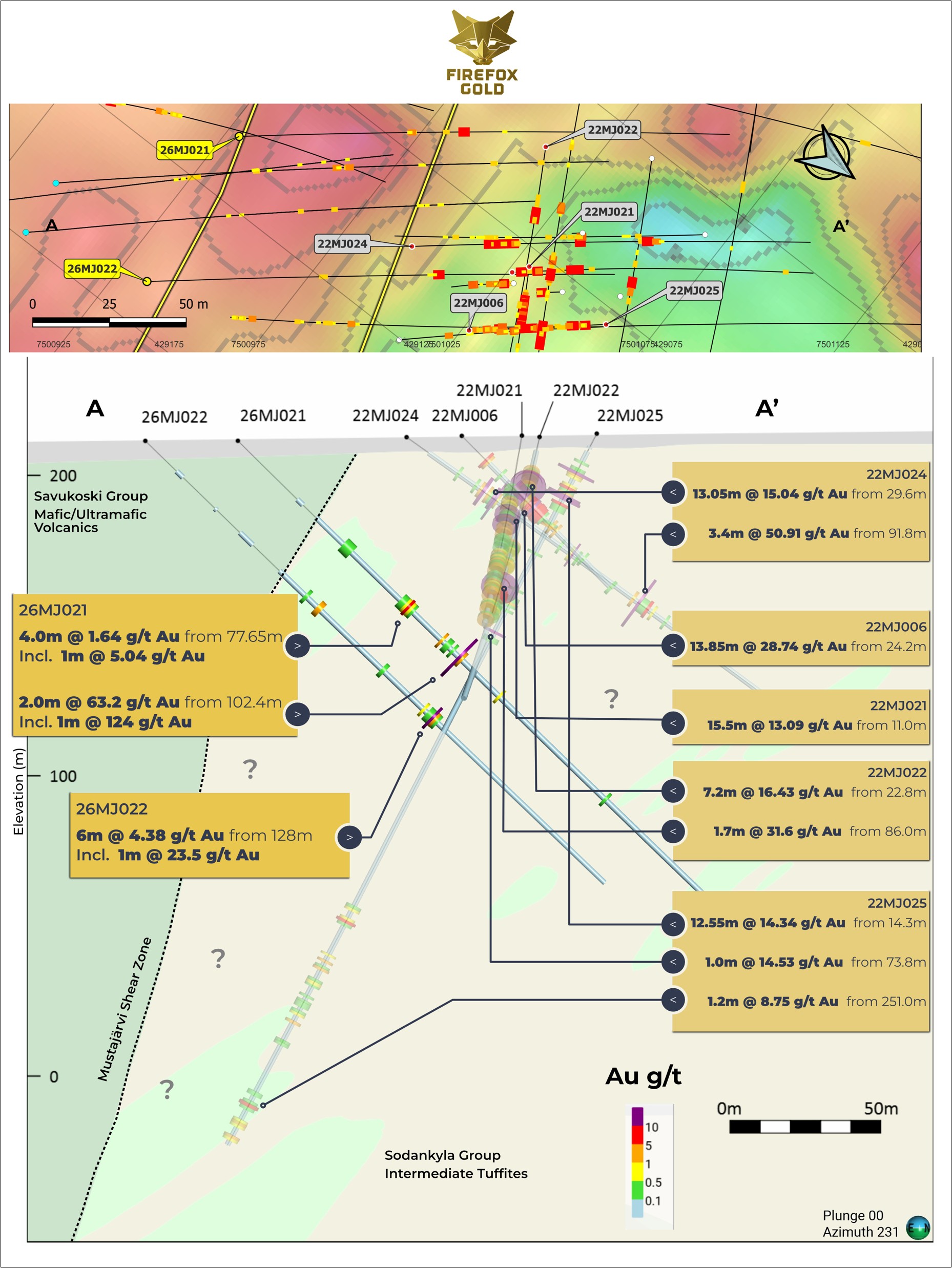
Drill holes 26MJ021 and 26MJ022 can be seen in a cross section in Figure 4. This section is cut relatively thickly to include both of these holes (they are separated by approximately 60 metres), in order to show their relationship to the heart of the East Zone, which is up-dip and comes to surface in trenches (See Company news release dated July 27, 2023). The FireFox technical team believes the strongest high-grade mineralization at Mustajärvi East lies within a heavily deformed corridor within 75 to 100 metres of the Mustajärvi Shear Zone. Drilling this zone at depth remains a very attractive target.
Drill hole 26MJ018 is a resource-estimation infill hole in the northern part of the East Zone, assessing the down-dip continuation of mineralization previously intersected in drill hole 25MJ015 (see Company news release dated February 25, 2026). The hole was collared 35 metres southeast of 25MJ015 and passed through approximately 11.4 metres of thin glacial sediments before entering bedrock. The drill hit the contact between ultramafic volcanic rocks and intensely altered metasediments at 25.5 metres downhole. The hole passed through several narrow, low-grade gold intervals controlled by quartz-carbonate-tourmaline veining in altered metasedimentary and mafic intrusive rocks. These intervals occurred at depths between 43 and 87 metres and included: 0.95 metres at 0.5 g/t Au, 2.0 metres at 0.52 g/t Au, 2.0 metres at 0.59 g/t Au, and 1.0 metre at 0.51 g/t Au.
Drill hole 26MJ019 tested the northwestern extent of the East Zone. The hole passed through approximately 10.0 metres of thin glacial sediments into a sequence of altered metasedimentary rocks cut by mafic intrusive rocks. It did not return significant gold mineralization, although it did encounter three weakly anomalous intervals in association with quartz-carbonate-tourmaline veins and veinlets containing disseminated pyrite. The best intercept returned 1.0 metre at 0.26 g/t Au from 153.95 metres depth.
Drill hole 26MJ020 assessed the eastward continuation of gold mineralization in the northern part of the East Zone. The hole was collared 40 metres east of 25MJ015 and 40 metres northeast of 26MJ018. It passed through approximately 9.0 metres of thin glacial sediments before entering bedrock.
The hole intersected narrow, lower-grade gold intervals, the highest grade of which returned 0.81 g/t Au. The intermittent mineralization starts immediately below the contact between Savukoski ultramafic rocks and Sodankylä metasedimentary rocks, where the hole intersected 2.0 metres averaging 0.55 g/t Au from 27.0 metres depth. Gold near the contact is associated with brecciation and quartz-carbonate-tourmaline veining with disseminated pyrite. Deeper in the hole, the drill cut seven narrow gold-mineralized intervals, with grades up to 0.66 g/t Au (see Table 1). Notably, two intercepts at depths of 86.0 and 102.1 metres were associated with quartz-carbonate veining and disseminated pyrite cutting deformed and strongly albite-altered mafic intrusive rocks with
Drill hole 26MJ023 tested the northwest edge of the Northeast Zone, west of significant intercepts in drill holes 21MJ006 and 21MJ014 (reported August 17, 2021 and January 22, 2022, respectively). The hole was collared 60.0 metres from 21MJ006 and passed through approximately 9.9 metres of thin glacial sediments into mafic volcanic rocks. The drill cut the contact with strongly deformed and altered metasediments at 25.8 metres downhole.
The hole intersected two gold-mineralized intervals, starting immediately below the contact between mafic volcanic rocks and intensely altered metasediments. The first interval returned 1.0 metre at 0.52 g/t Au from 28.0 metres depth and is associated with deformed and altered metasediments with abundant quartz-carbonate veining. Just 5.4 metres before the end of the hole, the drill hit 1.75 metres of 0.82 g/t Au from 150.15 metres depth. This deeper interval is hosted in strongly fractured quartz-carbonate veins with disseminated pyrite and hematite coatings in the footwall of an unaltered mafic dike.
Table 1. Selected Drill Intercepts in Drill holes 26MJ018 - 26MJ023
(Cut-off Grade 0.3 g/t Au)
Drill Hole | From (m) | To (m) | Interval (m) | Au Grade (g/t) | |
26MJ018 | 43.15 | 44.1 | 0.95 | 0.5 | |
62.0 | 64.0 | 2.0 | 0.52 | ||
73.4 | 75.4 | 2.0 | 0.59 | ||
85.6 | 86.6 | 1.0 | 0.51 | ||
26MJ019 | No significant results | ||||
26MJ020 | 27.0 | 29.0 | 2.0 | 0.55 | |
47.85 | 48.8 | 0.95 | 0.51 | ||
63.0 | 64.0 | 1.0 | 0.33 | ||
86.0 | 87.0 | 1.0 | 0.66 | ||
102.1 | 103.0 | 0.9 | 0.46 | ||
107.0 | 108.8 | 1.0 | 0.66 | ||
110.0 | 111.0 | 1.0 | 0.31 | ||
114.0 | 115.0 | 1.0 | 0.66 | ||
26MJ021 | 77.65 | 81.65 | 4.0 | 1.64 | |
Including | 78.65 | 79.65 | 1.0 | 5.04 | |
94.3 | 95.3 | 1.0 | 3.97 | ||
102.4 | 104.4 | 2.0 | 63.2 | ||
Including | 102.4 | 103.4 | 1.0 | 124.0 | |
121.0 | 122.0 | 1.0 | 0.64 | ||
26MJ022 | 79.25 | 81.2 | 1.95 | 1.54 | |
128.0 | 134.0 | 6.0 | 4.38 | ||
Including | 132.0 | 133.0 | 1.0 | 23.5 | |
26MJ023 | 28.0 | 29.0 | 1.0 | 0.52 | |
150.15 | 151.9 | 1.75 | 0.82 | ||
All intervals are expressed as core width; true width has not yet been estimated. | |||||
Table 2. Drill Collar Information (coordinates presented in EPSG:3067)
Drill Hole | Easting | Northing | Azimuth (°) | Dip (°) | Depth (m) |
25MJ018 | 429175.0 | 7501014.0 | 325 | 60 | 155.2 |
25MJ019 | 428946.8 | 7500962.6 | 320 | 50 | 201.8 |
25MJ020 | 429198.2 | 7501044.7 | 325 | 45 | 151.6 |
25MJ021 | 429105.3 | 7500929.1 | 320 | 45 | 223.6 |
25MJ022 | 429161.1 | 7500934.5 | 320 | 45 | 211.8 |
25MJ023 | 428369.4 | 7500755.7 | 340 | 45 | 160 |
Methodology & Quality Assurance
The core was transported from the rig to the Company´s core storage facility in Sodankylä, where FireFox's exploration team conducted the geological and geotechnical logging and selected the assay intervals. Assay intervals were generally 1 metre but in some circumstances were modified according to lithological boundaries and other factors. FireFox geologists maintained chain of custody and sampling procedures according to best industry practice and with due attention to quality assurance and quality control, including ¼ core duplicates, crush stage duplicates, and insertion of certified standard and blank samples.
FireFox team members transported the samples to an ALS sample prep lab in Sodankylä. The samples were sawed then crushed to -2 mm, split and pulverized into 1kg pulps, before being shipped to the ALS facility in Rosia Montana, Romania for gold by fire assay of 50 gm aliquots with AAS finish (method Au-AA26). All samples exceeding 50.0 g/t Au were re-assayed with a gravimetric finish (method Au-GRA22). Other elements, altogether 48, were measured after four-acid digestion by ICP-AES and ICP-MS (method ME-MS61) at the ALS facility located in Loughrea, Ireland.
ALS Laboratories is a leading international provider of assay and analytical data to the mining industry. All ALS geochemical hub laboratories, including the Irish facility, are accredited to ISO/IEC 17025:2017 for specific analytical procedures. The Firefox QA/QC program consists of insertion of certificated standard material and blanks inserted by Firefox into the analytical batches did not show deviations from recommended values. No QA/QC issues were identified from a review of the analytical data discussed herein.
Patrick Highsmith, Certified Professional Geologist (AIPG CPG # 11702) and director of the Company, is a qualified person as defined by National Instrument 43-101. Mr. Highsmith has helped prepare, reviewed, and approved the technical information in this news release.
About FireFox Gold Corp.
FireFox Gold Corp is listed on the TSX Venture Stock Exchange under the ticker symbol FFOX. FireFox also trades on the OTCQB Venture Market Exchange in the US under the ticker symbol FFOXF. The Company has been exploring for gold in Finland since 2017 on a large portfolio of ground prospective for high-grade gold deposits. The delineation of multiple gold zones at the Company's 100%-held Mustajärvi Project is paving the way for the discovery of Finland's next major gold deposit.
Having a strong mining law and long mining tradition, Finland remains underexplored for gold. Recent exploration results in the country have highlighted its prospectivity, and FireFox is proud to have a Finland based CEO and technical team.
For more information, please refer to the Company's website and profile on the SEDAR+ website at www.sedarplus.ca.
On behalf of the Board of Directors,
"Carl Löfberg"
Chief Executive Officer
CONTACT:
FireFox Gold Corp.
Email: [email protected]
Telephone: +1-778-938-1994
Neither the TSXV nor its Regulation Services Provider (as that term is defined in the policies of the TSXV) accept responsibility for the adequacy or accuracy of the content of this release.
Forward Looking Statements
The information herein contains forward looking statements that are subject to a number of known and unknown risks, uncertainties and other factors that may cause actual results to differ materially from those anticipated in our forward-looking statements. Factors that could cause such differences include changes in world commodity markets, equity markets, the extent of work stoppage and economic impacts that may result from illness, extreme weather, changes in government and changes to regulations affecting the mining industry.
Forward-looking statements in this release may include statements regarding: the intent to conduct additional exploration; the belief as to the location of the most prospective gold targets; the location of targets for future exploration programs; and the current and future work program, including the extent and nature of exploration to be conducted in 2026. Although we believe the expectations reflected in our forward-looking statements are reasonable, results may vary.
The forward-looking statements contained herein represent the expectations of FireFox as of the date of dissemination and, accordingly, are subject to change after such date. Readers should not place undue importance on forward-looking statements and should not rely upon this information as of any other date. FireFox does not undertake to update this information at any particular time except as required in accordance with applicable laws.
SOURCE: FireFox Gold Corp
View the original press release on ACCESS Newswire
R.Garcia--AT