-
 Nottinghamshire Councillor Urges Mayor to Spend £350m on Transport Projects
-
Alvechurch Sign Jenson Kilroy on Loan Following Redman Evans Departure

-
 US Aircraft Disable Iranian-Linked Vessel in Gulf of Oman; Tehran Vows to Defy Blockade
-
Six North Korean Fishermen Repatriated After Drifting Near Ulleungdo

-
 Apple Black Friday Deals 2026: AirPods Pro 3, MacBook Air, and More
-
Jennifer Lopez Reunites with Twins Max and Oskar for First College Thanksgiving

-
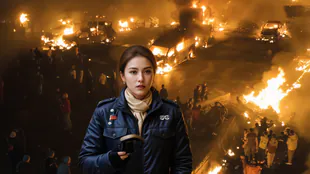 Egyptian Business Leaders and Banks Pledge EGP 60 Million for Giza Ring Road Fire Victims
-
Black Friday E-Reader Deals: Kindle Paperwhite, Scribe, and Kobo Discounts

-
 Ireland’s Hearing Crisis: 300,000 Adults Wait Years for Care as National Plan Lags
-
Fundraiser launched for Daniel Buttigieg after boat accident

-
 Malta-registered tanker sinks off Ibiza, killing one crew member
-
Motorcyclist injured in single-vehicle crash in Pietà

-
 INGLOT Malta offers Black Friday discounts of up to 60%
-
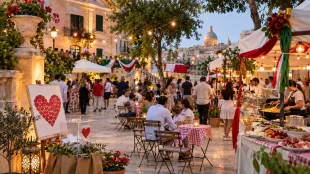
Italian Village event in Malta raises funds for Puttinu Cares
-
 Muscat says European elections took priority over population report
-
Malta launches second national AI strategy with 86 measures

-
 Long-running San Diego Greek restaurant to close in February 2027
-
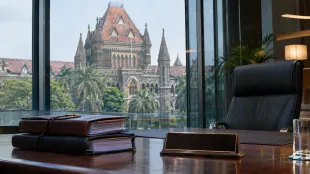
Tata Trusts challenge Chandrasekaran reappointment in Bombay High Court
-
 Mumbai region records five-year high in post-monsoon python rescues
-
Project Angel Food serves 22 millionth meal as Los Angeles campus expands

-
 The Point launches at Manama Waterfront as first phase sells out
-
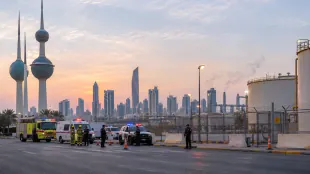
Four injured after Iranian drone attack targets site in Kuwait
'Mesmeric' movie on secret lives of Nigeria's rich wows Cannes
A wonky mosaic in the shape of Nigeria plays a subtly telling role in Arie and Chuko Esiri's Cannes Film Festival break-out hit "Clarissa".
No one can get the artwork to sit quite straight on the wall as a chic power couple prepares to receive their guests for a party at their waterside Lagos home.
"It's a perfect motif of the nation," Chuko Esiri, the marginally younger of the twin brothers who directed the enthralling tale, told AFP. "It's slightly off and needs correcting."
Like Nigeria, "it could be amazing. It just needs a little adjustment", but no one quite knows how.
The lives, loves, petty snobberies and private torments of some of Nigeria's most privileged people form the core of "Clarissa", all set in Lagos where the rich float over so much human misery.
Critics at Cannes have found the twins' sly post-colonial take on Virginia Woolf's novel "Mrs Dalloway" one of the most affecting movies of the year so far.
"How lucky we are" they took it on, wrote the Hollywood Reporter's Lovia Gyarkye, while The Guardian's Peter Bradshaw called the movie "seductive" and "mesmeric".
Veteran RogerEbert.com critic Brian Tallerico declared it "one of the better films I'll see this year".
Waking up as the major discoveries of the festival so far have not phased the brothers one bit, they told AFP the morning after its triumphant premiere in the Director's Fortnight section.
- 'Wired differently' -
Fortunes "rise and fall like the currency" in Nigeria, joked Chuko, the more talkative of the two 40-year-olds.
Nor have the inevitable comparisons with other film-making siblings like the Coen brothers, the Dardennes and the Wachowski sisters, who made "The Matrix".
Their stellar cast led by Sophie Okonedo and "Selma" lead David Oyelowo -- who both have Nigerian roots -- also got rave reviews, with Screen magazine and several other critics lavishing particular praise on "Okonedo's acutely calibrated performance" as the elegantly ageing love-crossed high-society hostess Clarissa.
Arie, the older of the two director brothers, told AFP that shooting with his twin is a kind of superpower, admitting he usually plays the tough guy on set.
"We're twins but we're wired differently. I'm right-handed," said Chuko, "and he's left-handed. He's visual, I'm more narrative."
- Two Nigerias -
"Clarissa", told in restrained flashback, is as much about post-independence Nigeria as it is about its upper crust, which the brothers say they know only too well, having "been born into it".
Africa's most populous nation "is like any underdeveloped country -- the middle disappears and so it's basically just two classes", the poor and the rich, Chuko said.
And most of the wealthy in the film have adopted the manners and clipped accents of their old colonial masters, the British.
The twins' tale turns on the intertwining stories of Clarissa and the soldier husband of her dressmaker, who returns from fighting Boko Haram jihadists in the north with PTSD and his faith in humanity shattered by the corruption of his superiors.
Part of the tragedy is that the suffering of the two-decade insurgency "doesn't touch you in Lagos, in the south at all", Chuko said. "It's like being in England and seeing the war in Iraq," he argued.
"The idea of Nigeria is like an ongoing debate. Do we become two countries? Do we stay as one, because it was two countries pushed into one during the colonial era," said Chuko.
- African wave -
Neon, the distributors of the last six winners of Cannes' top prize, have already snapped the film up.
"Clarissa" is the second African film to have got a rapturous reception at Cannes this year after "Congo Boy" from the Central African Republic.
Just like the brothers' first film, the highly-praised "Eyimofe (This Is My Desire)" in 2020, "Clarissa" is punctuated with power cuts, "an everyday occurrence" in Nigeria, Chuko said.
Nigeria followed them to the Cannes premiere, with life imitating art as the projector jammed during the opening credits, forcing organisers to start the film all over again.
An hour and a half later, the critics who had jeered at the embarrassing hitch were on their feet clapping and cheering.
G.P.Martin--AT