
-
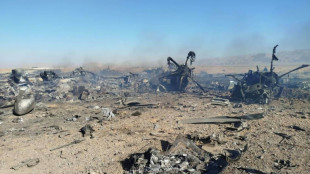 Trump makes stark threat to Iran after US airman rescued
-
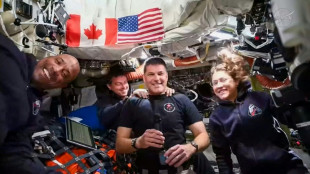
Artemis astronauts ready for Moon flyby on fifth day of historic mission
-
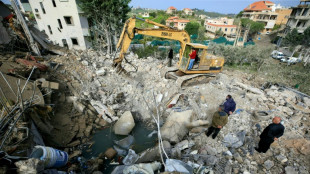 Israel renews Lebanon strikes, forces Syria border crossing closed
-
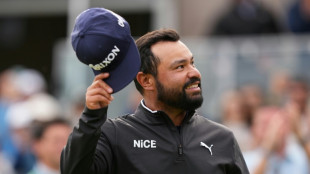
Eagle-eyed Spaun snatches Texas Open victory
-
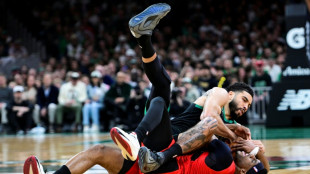 Brown, Tatum propel Celtics in win over Raptors
-
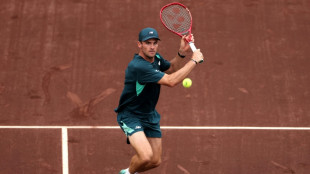
Paul battles past Burruchaga to win ATP Houston title
-
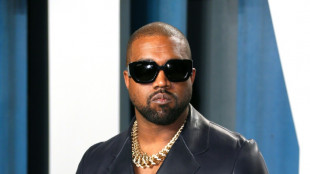 Major sponsors drop Kanye West London gigs as PM voices concern
-
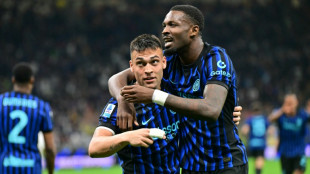
Inter close in on Serie A title by thumping Roma
-
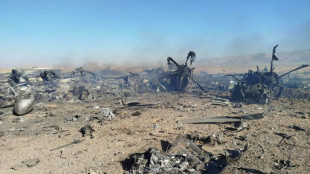 Trump makes foul-mouthed threat to Iran after US airman rescued
-
Monaco sink Marseille for seventh Ligue 1 win in a row
-
 Inter thump Roma to extend Serie A lead to nine points
-
Lebanon's Christians mark Easter in solidarity with war-hit south

-
 Leeds beat West Ham in shoot-out to reach FA Cup semis for first time in 39 years
-
Pegula romps to WTA Charleston Open victory
-
 David six-hitting spree powers Bengaluru to IPL win
-
Union draw leaves St Pauli stranded in Bundesliga drop zone

-
 UK police arrest protesters near base used by US
-
Trump issues foul-mouthed threat to Iran after US airman rescued
-
 Alcaraz plans to play full clay-court season, get 'socks dirty'
-
'Super Mario Galaxy' blasts off in N. America box office debut

-
 Artemis astronauts begin fifth day on historic Moon mission
-
Bielle-Biarrey sparkles as Bordeaux-Begles cruise in Champions Cup
-
 Trump draws criticism with fiery Easter message on Iran
-
OPEC+ hikes oil production quotas, issues warning
-
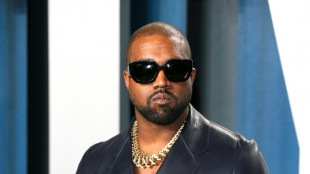 British PM slams London event for booking Kanye West, sponsor quits
-
Pogacar wins joint-record third Tour of Flanders

-
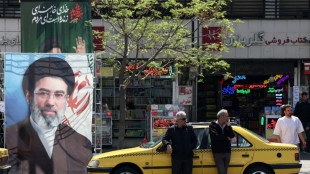 Trump threatens 'hell' for Iran over Strait of Hormuz
-
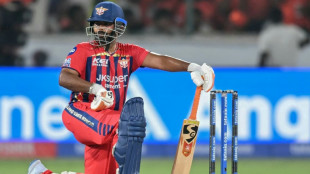
Shami, Pant help Lucknow beat Hyderabad in nervy IPL clash
-
 What we know about the race to rescue downed US airman in Iran
-
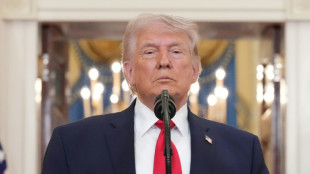
US commandos went deep into Iran to rescue downed airman: media
-
 Liberated McIlroy eyes more Masters magic after career Slam
-
Van Dijk apologises for Liverpool thumping by Man City
-
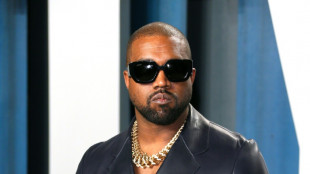 British PM slams London festival for booking Kanye West
-
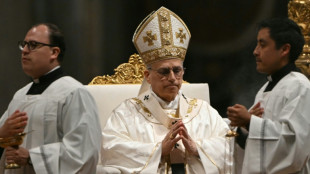
'Choose peace': Pope marks first Easter under cloud of Mideast war
-
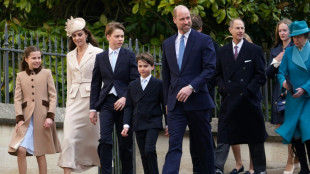 British royals attend Easter service without Andrew
-
US media says commandos probed deep into Iran to rescue downed airman
-
 Revellers parade giant penises to dash stigma in Japan's fertility festival
-
Artemis astronauts glimpse Moon's 'Grand Canyon' ahead of historic lunar flyby
-
 Middle East war hits Britain's fish and chip shops
-
Artemis astronauts to study the Moon's surface using mainly their eyes
-
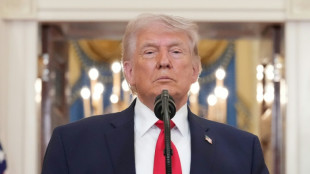 Second US airman downed over Iran 'SAFE and SOUND': Trump
-
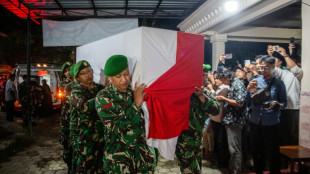
Indonesia lays to rest peacekeepers killed in Lebanon
-
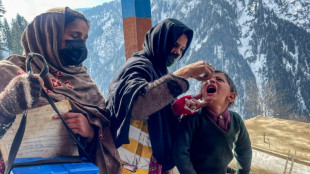 Pharmaceutical logistics in demand as war rattles supply chains
-
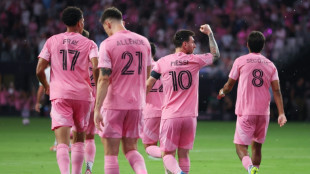
Messi marks new stadium with goal but Miami held by Austin
-
 Afghan mother seeks justice after Pakistani bombing kills hundreds
-
UK royal family's dilemma over Andrew's daughters
-
 Pope marks first Easter under cloud of Mideast war
-
AI at war: Five things to know about Project Maven
-
 In the online 'maxxing' era, what's the deal with fiber and protein?
-
At Met Opera, life after a school shooting takes center stage
The five scientists who won two Nobel prizes
American Barry Sharpless on Wednesday became only the fifth person ever to win a second Nobel Prize, two decades after being awarded his first.
AFP looks at the four other people who received the illustrious award twice for their services to mankind:
- Marie Curie (1903, 1911) -
The mother of modern physics was the first woman ever to win not one, but two, Nobel prizes for her seminal discoveries in physics and chemistry.
Born Maria Sklodowska in Poland, Curie moved to Paris as a student and is famed for having isolated the elements of polonium and radium as well as for promoting radium to alleviate suffering.
In 1903, she was awarded the Nobel Prize in Physics, along with her husband Pierre Curie and French physicist Antoine Henri Becquerel for their research into spontaneous radiation.
A second Nobel followed in 1911, this time for chemistry, when Curie was honoured alone for her work on radioactivity.
- Linus Pauling (1954, 1962) -
Linus Pauling, the US chemist who posited that huge doses of vitamin C can ward off the common cold, is the only person to have been awarded two unshared Nobel Prizes – the 1954 Nobel Prize in Chemistry and the 1962 Nobel Peace Prize.
Pauling won his first Nobel in 1954 for his work in molecular chemistry, particularly in the field of proteins and anti-bodies.
His second award came eight years later in 1962 was in recognition for his campaigning against nuclear testing.
- John Bardeen (1956, 1972) -
US engineer John Bardeen shared the Nobel Prize in Physics twice.
In 1956, he and two colleagues at Bell Labs, William Shockley and Walter Brattain, won for inventing the transistor, which revolutionised the field of electronics by leading to smaller and cheaper radios, calculators and computers, amongst other objects.
In 1972, he picked up his second Nobel for developing the BSC-theory of superconductivity, with fellow American physicists Leon Cooper and John Robert Schrieffer.
- Frederick Sanger (1958, 1980) -
British biochemist Frederick Sanger, dubbed the father of genomics, was the only person to win the chemistry Nobel twice.
Sanger was the sole winner of the prize in 1958 for his work on the structure of proteins, notably insulin, and then shared it with two others, Paul Berg and Walter Gilbert of the United States, in 1980 for pioneering developments in DNA sequencing that are still being used today.
His work allowed long stretches of DNA to be rapidly and accurately sequenced and was central to the Human Genome Project's mammoth achievement in mapping more than three billion units of human DNA.
- ICRC and UNHCR -
Two organisations have won multiple Nobel Peace Prizes.
The International Committee of the Red Cross won in 1917, 1944 and 1963 and the Office of the UN High Commissioner for Refugees won in 1954 and 1981.
E.Flores--AT