
EU moves closer to ban sexualised AI deepfakes / Photo: Nicolas TUCAT - AFP/File

 NAND Prices Set to Fall in Early 2027 as DRAM Remains Elevated

 NSE and BSE Restrict Algorithmic Trading to Tech-Savvy Investors with Static IP

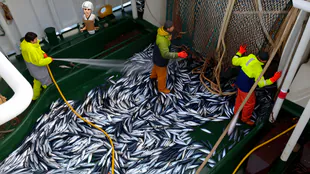 Report Finds Large UK Fishing Fleet Violates Rules Two-Thirds of Time

 COP31 Negotiations Collapse as Youth Climate Demands Clash with Fossil Fuel Lobbying

 Craig Reucassel’s Ultra-Processed Food Experiment Reveals Brain Changes

 Seattle U Defeats Loyola Chicago 76-63 to Win Acrisure Series Title
The European Parliament on Thursday approved a ban on artificial intelligence systems generating sexualised deepfakes, following global outrage over non-consensual nudes produced by Elon Musk's chatbot Grok.
The vast majority of EU lawmakers supported the text targeting so-called "nudification" apps as part of proposals to amend the bloc's rules on AI. EU member states have already given their green light.
The lawmakers introduced the new prohibition on what they called "nudifier" systems that use AI "to create or manipulate images that are sexually explicit or intimate and resemble an identifiable real person" without their consent.
But they stressed that AI systems with "effective safety measures preventing users from creating such images" are not affected by the ban.
Now member states and parliament will negotiate on a final text but talks are expected to go smoothly before final adoption.
X, the platform on which Grok is available, in January said it would make changes to stop the creation of sexualised deepfakes of children and women.
The scandal has nevertheless prompted an ongoing EU investigation.
EU lawmakers also backed delaying implementation of high-risk AI rules, concerning models deemed as potentially dangerous to safety, health or citizens' fundamental rights.
Due to come into effect in August 2026 for stand-alone AI systems and a year later for AI tools embedded in other products, the measures might now be pushed back to December 2027 and August 2028 respectively.
A.Clark--AT