Europe seeks to break its US tech addiction / Photo: Sergei GAPON - AFP/File

 Mourinho blasts 'shameless' timing of Vinicius ban decision

 PSG beat Man City in Champions League thriller, Barcola hits Liverpool hat-trick

 US Treasury chief urges stronger IMF role against 'distortionary policies'

 Giant-killers Bodo sink Dortmund in Champions League

 PSG outgun embattled Man City in six-goal Champions League thriller

 In Chicago, pope's hometown, Catholics express shock and support
 Musk suggests US govt behind any slowdown in Ukraine's Starshield system

 Chiclayo prays for recovery and return of the 'Peruvian pope'
 Barcola scores hat-trick as Liverpool hit LASK for six

 Healthy corals help bleached neighbors regain color: study

 Hope ton helps West Indies level T20 series at 2-2 in India

 Ukraine war reaches shores of Bulgarian fishing village

 Brazil probing 'criminal' origin of forest fires: minister to AFP

 Sally Rooney books cannot be sold in UK amid Palestine Action ban: publisher

 Italian ski stars Goggia and Brignone to miss season opener

 Bournemouth boss Rose urges Cherries to bounce back from Chelsea 'slap'
 Top seed Sabalenka falls at first hurdle in Wuhan
 FX Junction Brings Copy Trading to Everyone, While Their Money Never Leaves With Their Broker

 Brighton defender Struijk's red card overturned
 Saudi league postpones three matches after Houthi attacks

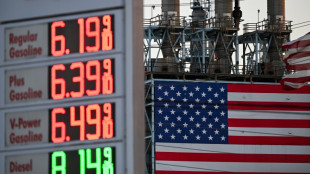 US consumer inflation up more than expected as midterms loom

 Canadian publisher supports novelist Orelien after AI denial

 Medvedev sees off Tsitsipas to reach Shanghai Masters quarters
 Louvre boss warns of closure risk without major renovations

 Lawes and Genge urge England to end ban on overseas-based players
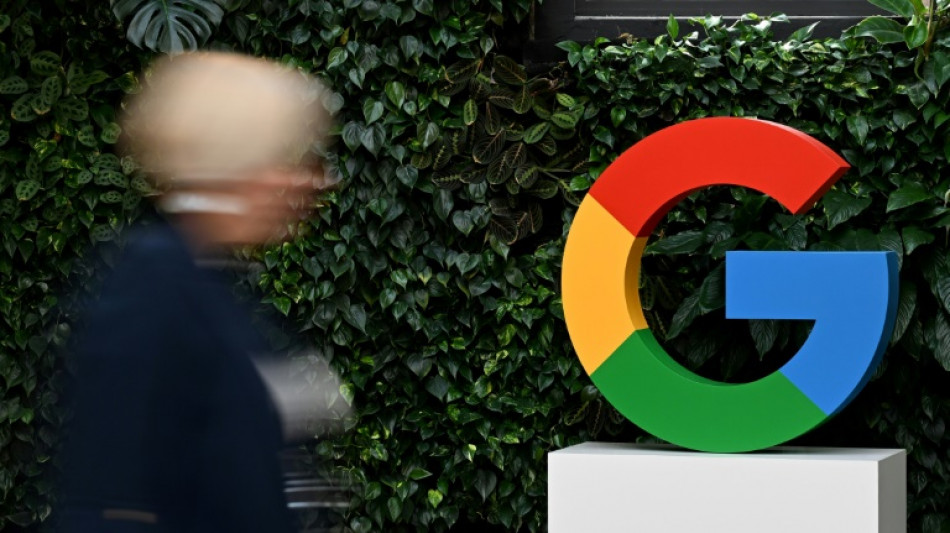
With President Donald Trump more unpredictable than ever and transatlantic ties reaching new lows, calls are growing louder for Europe to declare independence from US tech.
From Microsoft to Meta, Apple to Uber, cloud computing to AI, much of the day-to-day technology used by Europeans is American.
The risks that brings were hotly debated before Trump returned to power, but now Europe is getting serious -- pushing to favour European firms in public contracts and backing European versions of well-known US services.
As Europe faces Trump's tariffs, and threatens to tax US tech unless the two sides clinch a deal averting all-out trade war, there is a growing sense of urgency.
Tech sovereignty has been front and centre for weeks: the European Union unveiled its strategy to compete in the global artificial intelligence race and is talking about its own payment system to rival Mastercard.
"We have to build up our own capacities when it comes to technologies," EU tech chief Henna Virkkunen has said, identifying three critical sectors: AI, quantum and semiconductors.
A key concern is that if ties worsen, Washington could potentially weaponise US digital dominance against Europe -- with Trump's administration already taking aim at the bloc's tech rules.
That is giving fresh impetus to demands by industry, experts and EU lawmakers for Europe to bolster its infrastructure and cut reliance on a small group of US firms.
"Relying exclusively on non-European technologies exposes us to strategic and economic risks," said EU lawmaker Stephanie Yon-Courtin, who focuses on digital issues, pointing to US limits on semiconductor exports as one example.
- 'Buy European' push -
The data paints a stark picture.
Around two-thirds of Europe's cloud market is in the hands of US titans: Amazon, Microsoft and Google, while European cloud providers make up only two percent.
Twenty-three percent of the bloc's total high-tech imports in 2023 came from the United States, second only to China -- in everything from aerospace and pharmaceutical tech to smartphones and chips.
Although the idea of a European social media platform to rival Facebook or X is given short shrift, officials believe that in the crucial AI field, the race is far from over.
To boost European AI firms, the EU has called for a "European preference for critical sectors and technologies" in public procurement.
"Incentives to buy European are important," Benjamin Revcolevschi, chief executive of French cloud provider OVHcloud, told AFP, welcoming the broader made-in-Europe push.
Alison James, European government relations lead at electronics industry association IPC, summed it up: "We need to have what we need for our key industries and our critical industries to be able to make our stuff."
There are calls for greater independence from US financial technology as well, with European Central Bank chief Christine Lagarde advocating a "European offer" to rival American (Mastercard, Visa and Paypal) and Chinese payment systems (Alipay).
Heeding the call, EU capitals have discussed creating a "truly European payment system".
Industry insiders are also aware building tech sovereignty requires massive investment, at a moment when the EU is pouring money into defence.
In an initiative called EuroStack, digital policy experts said creating a European tech ecosystem with layers including AI would cost 300 billion euros ($340 billion) by 2035.
US trade group Chamber of Progress puts it much higher, at over five trillion euros.
- Different values -
US Vice President JD Vance has taken aim at tech regulation in denouncing Europe's social and economic model -- accusing it of stifling innovation and unfairly hampering US firms, many of whom have aligned with Trump's administration.
But for many, the bloc's values-based rules are another reason to fight for tech independence.
After repeated abuses by US Big Tech, the EU created major laws regulating the online world including the Digital Markets Act (DMA) and the Digital Services Act (DSA).
Much to the chagrin of US digital giants, the EU in 2018 introduced strict rules to protect European users' data, and last year ushered in the world's broadest safeguards on AI.
In practice, supporters say the DMA encourages users to discover European platforms -- for instance giving users a choice of browser, rather than the default from Apple or Google.
Bruce Lawson of Norwegian web browser Vivaldi said there was "a significant and gratifying increase in downloads in Europe", thanks in large part to the DMA.
Lawson insists it's not about being anti-American.
"It's about weaning ourselves off the dependency on infrastructure that have very different values about data protection," Lawson said.
Pointing at rules in Europe that "don't necessarily exist in the United States", he said users simply "prefer to have their data processed by a European company".
W.Stewart--AT