As Florida Rebuilds From Devastating Hurricanes, Nature Offers Solutions for the Future

 Alcaraz falls to Shelton in epic latest-ever US Open finish

 South Korea video game tycoon to pay record $1.5 bn in divorce

 'Long live Chairman Mao': Supporters pay respects to founder of Communist China

 Sweden immigration restrictions spark healthcare concerns

 EU to help cities tighten screws on Airbnb, holiday rentals

 'Our year': Kane and Bayern primed for Champions League tilt
 Australian World Cup star Volpato fined over positive cocaine test
 Sabalenka edges Noskova to keep US Open treble bid alive

 Pegula outlasts Navarro to set US Open semi with Sabalenka

 From trenches to catwalk: Ukraine's amputee soldiers hit the runway

 UK airports face more disruption after air traffic control glitch

 ECB meets, weighing a tricky balance between savers and spenders
 Pakistan police counter drone attacks with Ukraine-style nets

 Russia torments Kyiv with new 'horror' jet drones

 Iran attacks US base in Jordan as Hormuz impasse deepens
 New Apple CEO to face first test with foldable iPhone launch

 Battery X Metals Announces Confidential Submission of Amended Draft Registration Statement with the U.S. Securities and Exchange Commission in Connection with Proposed U.S. National Securities Exchange Initial Public Offering

 InterContinental Hotels Group PLC Announces Transaction in Own Shares - September 09

 Sabalenka edges Noskova, keeps US Open treble bid alive

 Real Madrid win Champions League opener as Haaland stars for Man City
 Gambian leader vows power boost after violent blackout protests

 Newcastle battle past Millwall to reach League Cup fourth round
 Mourinho's Real Madrid make winning start against Inter Milan

 Villa take 'big step forward' with win over Brugge

 Yaya Toure hails 'new era' for African coaches ahead of Champions League bow

Healthy natural systems can buffer communities from growing threats of climate change
As communities recover from back-to-back hurricanes - and as policy leaders look to shield Florida from future disasters - a new study funded by Live Wildly, a 501(c)3 organization dedicated to raising public awareness of the importance of wildlife corridor conservation, finds that conserving the state's wetlands, forests, and other natural areas can provide cost-effective solutions.
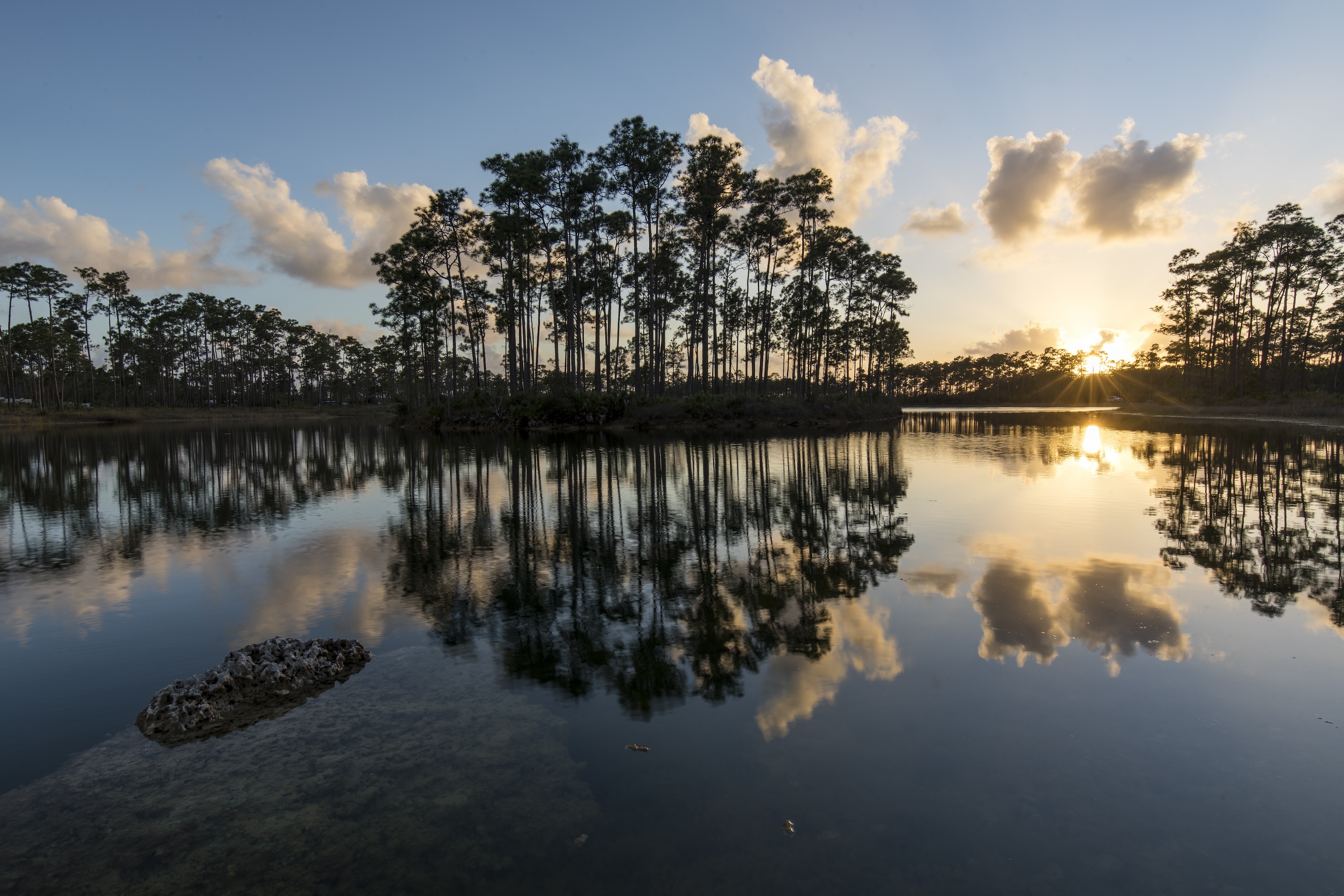
Hurricanes Helene and Milton caused billions of dollars in damage across Florida, with insurance claims alone amounting to more than $4.6 billion. That doesn't include costs of flood damage often not covered by homeowner insurance, lost revenue from businesses hurt by the hurricanes, or the repair of destroyed bridges, roads and other public structures.
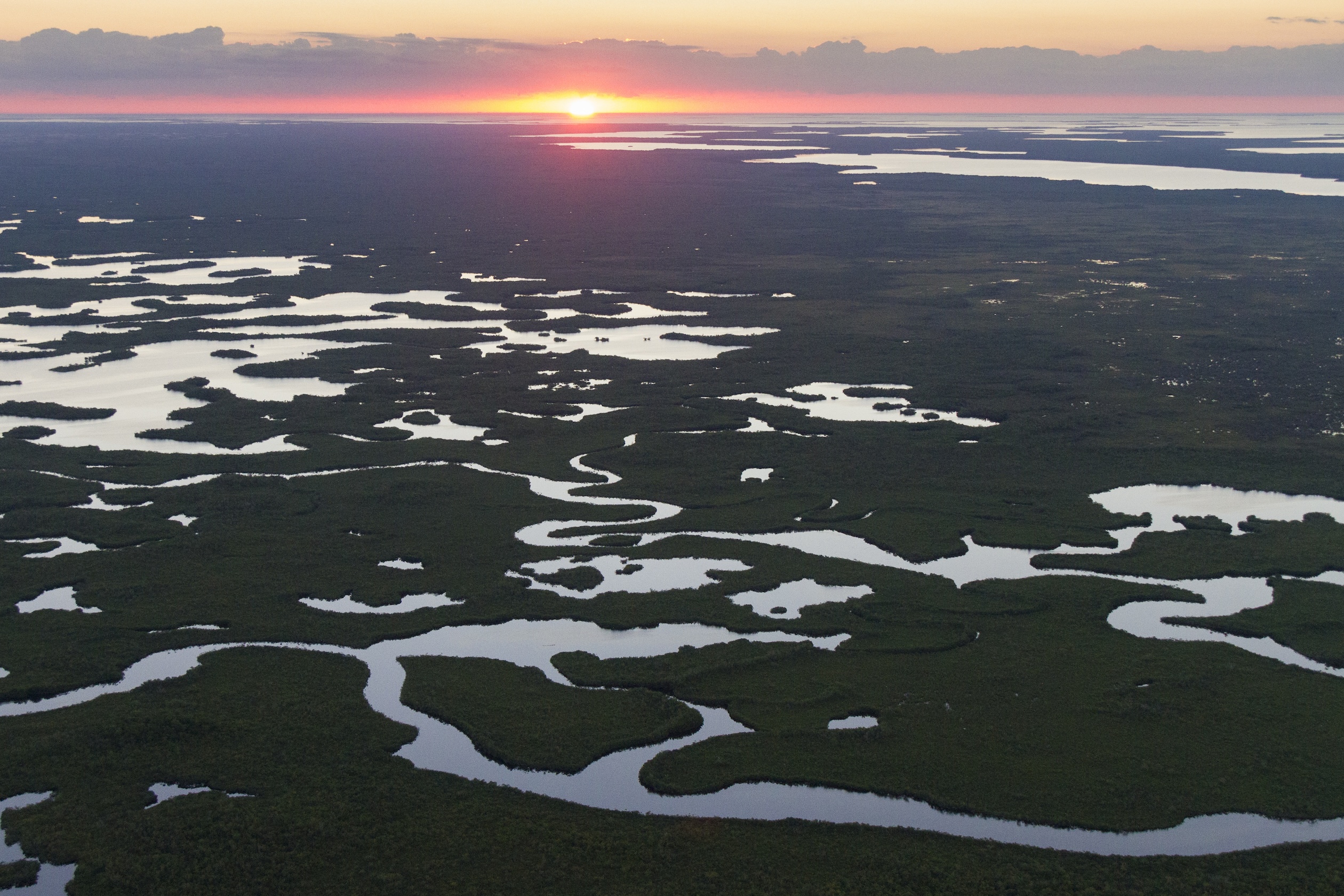
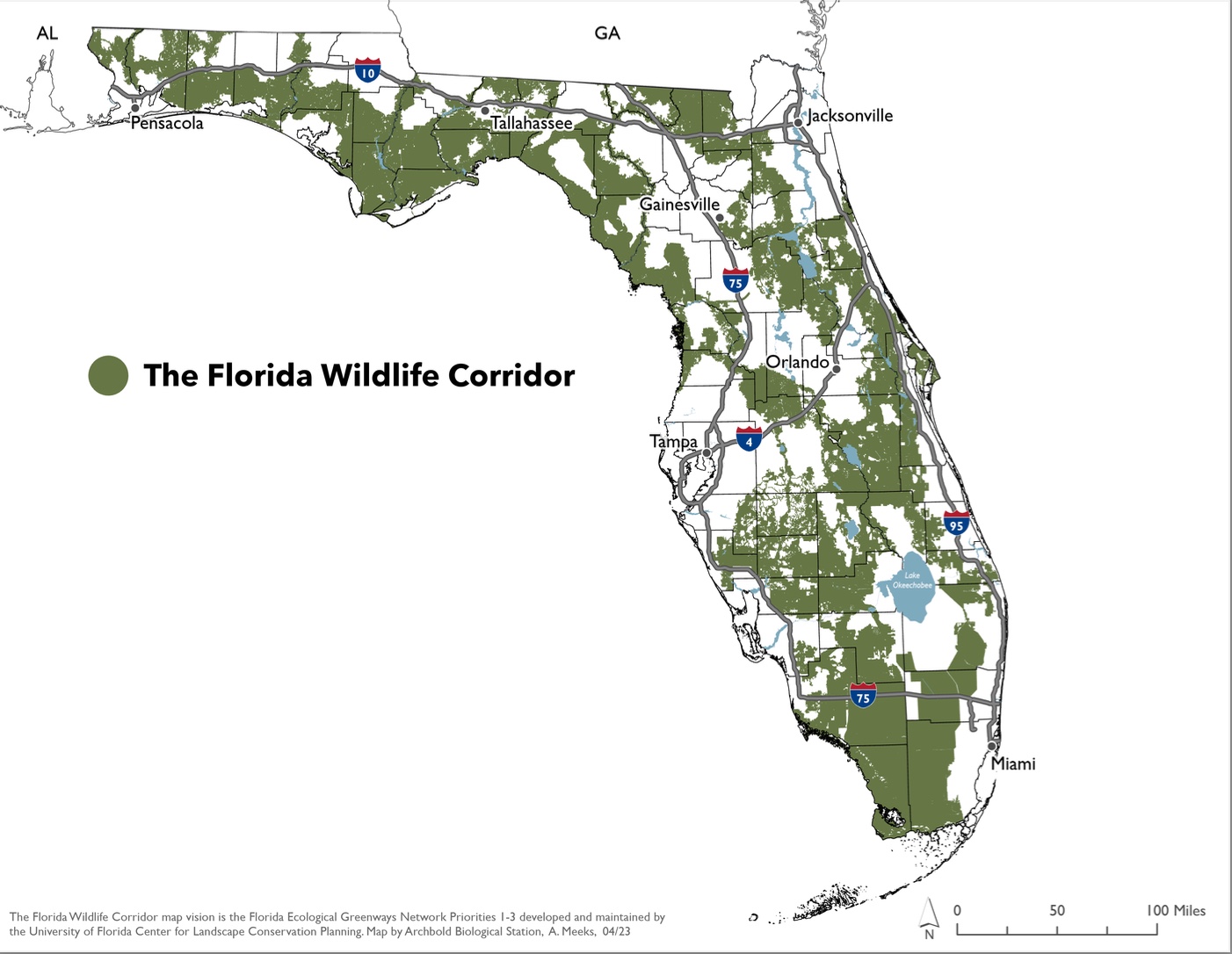
But a recent scientific study gives hope for the future, outlining how protecting Florida's 18-million-acre Wildlife Corridor - a superhighway of connected lands and waters stretching from the Panhandle to the Everglades - can shield against increasing floods, rising temperatures and other climate threats.
"Science tells us the threats of climate change are growing," said Meredith Budd, Director of Strategic Initiatives with the Live Wildly Foundation, which funded the study. "This report offers hope that there are actions we can take to help keep Florida's communities and economies safe from the worst impacts of climate change."
The study, conducted by scientists at Florida Atlantic University, Archbold Biological Station and other collaborators, found that about two-thirds of the state's floodplains - covering 10 million acres - lie within the Wildlife Corridor. These floodplains serve as Florida's natural drainage system, soaking up water during storms and providing billions of dollars of flood hazard protection.
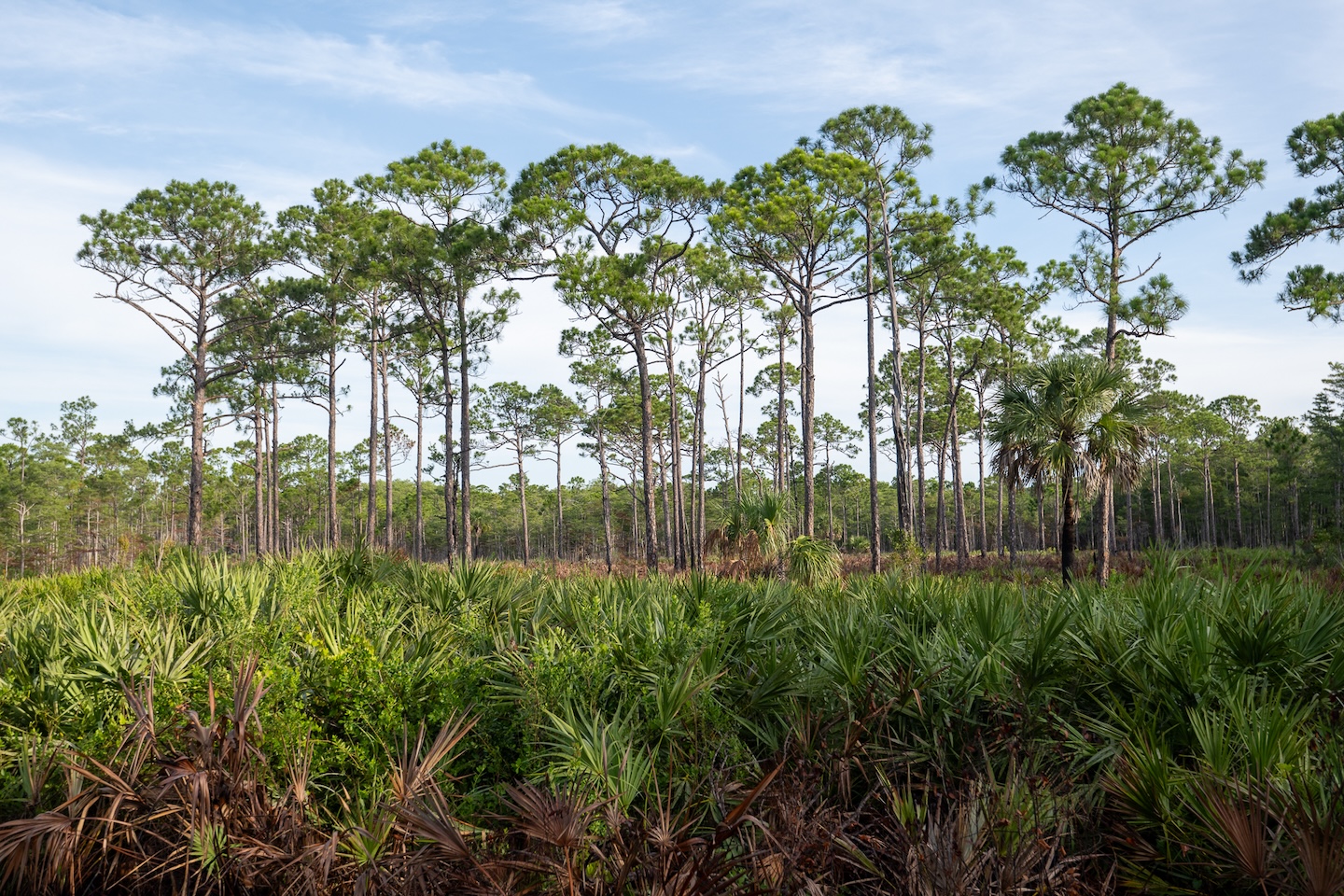
The study also found that the Wildlife Corridor's dense forests, grasslands, and other green areas can help mitigate heat waves and droughts driven by climate change, bringing benefits to outdoor workers and recreational visitors as well as providing safe habitat to native wildlife.
And the Wildlife Corridor can reduce the risk of dangerous wildfires in Florida, the study found. By protecting large areas of open space, fire crews can more effectively conduct controlled burns and other land management practices that keep natural areas healthy and less fire-prone.
While the Wildlife Corridor is primarily inland, it does contain areas of coastal mangroves and marshes that can shield communities from storm surges and reduce erosion from waves. The study cited findings that every hectare of healthy mangroves provides an average of $7,500 in risk reduction benefits.
The Wildlife Corridor was established in 2021 with unanimous support from the Florida state legislature and Gov. Ron DeSantis. It not only provides habitat for almost 2,000 different species -- including the Florida panther, manatees, and the Gopher tortoise -- but also supports at least 114,000 jobs and generates $30 billion in annual revenue through recreation, tourism, agriculture, forestry, and other industries.
Only about 10 million acres of the Corridor are currently conserved with another 8 million considered "opportunity areas" in need of protection. But as Florida's population grows by more than 1,200 people every day, rapidly expanding urban development threatens to forever erase these natural areas and working lands.
"State leadership has demonstrated its understanding of the deep link between clean water, healthy lands and a strong economy by supporting the creation of the Florida Wildlife Corridor and ongoing efforts," said Colin Polsky, Ph.D., lead author of the study and founding director of the Florida Atlantic University School of Environmental, Coastal and Ocean Sustainability. "In the three years since its creation, the corridor has already produced economic, social and environmental benefits. Based on findings from our report, we expect future benefits to grow exponentially if we conserve the corridor's remaining opportunity areas."
Other findings of the climate study - titled "Florida's Wildlife Corridor and Climate Change: Managing Florida's Natural and Human Landscapes for Prosperity and Resilience" - include:
The Wildlife Corridor helps reduce greenhouse gases and offers the potential for carbon markets.
Properties within the Corridor may increase in value due to the various ecosystem services and recreational opportunities that natural areas and working lands provide.
Since the Corridor was established in 2021, private property owners, with the support of state funding, have voluntarily placed conservation easements on more than 170,000 acres of their lands within the corridor.
Florida's Wildlife Corridor can serve as a model for other states experiencing growing populations and climate risks.
"The Florida Wildlife Corridor provides a leading example of ambitious landscape conservation planning on a regional scale. Florida has long been a leader in habitat connectivity planning, and the state should be proud that its efforts inspire others around the world," said Joshua Daskin, Ph.D., project manager and director of conservation at Archbold Biological Station. "The corridor is an example of how public and private partners can come together to achieve mutual economic, social and environmental goals at the local and state levels."
ABOUT LIVE WILDLY FOUNDATION
Founded in 2022, the Live Wildly Foundation applies an entrepreneurial approach to protecting wild Florida while seeking to balance smart growth, a robust economy, and a connected, resilient landscape. Through creating diverse coalitions, fostering collaboration, and empowering stakeholders to advance conservation efforts, Live Wildly strives to achieve a harmonious and sustainable future in which economic prosperity coexists with a thriving and resilient ecological landscape. Their first priority is the Florida Wildlife Corridor. This 18-million-acre wildlife superhighway is a model for public-private partnership, citizen advocacy, and grassroots support. Live Wildly encourages people to 'Join the Movement' to protect wild Florida. For more information, please visit www.livewildly.com.
Contact Information
Meredith Budd
Director, Strategic Initiatives
[email protected]
239-248-4494
Michelle Yepez
Events Producer
[email protected]
813-416-6641
Related Images
|
SOURCE: Live Wildly Foundation
K.Hill--AT