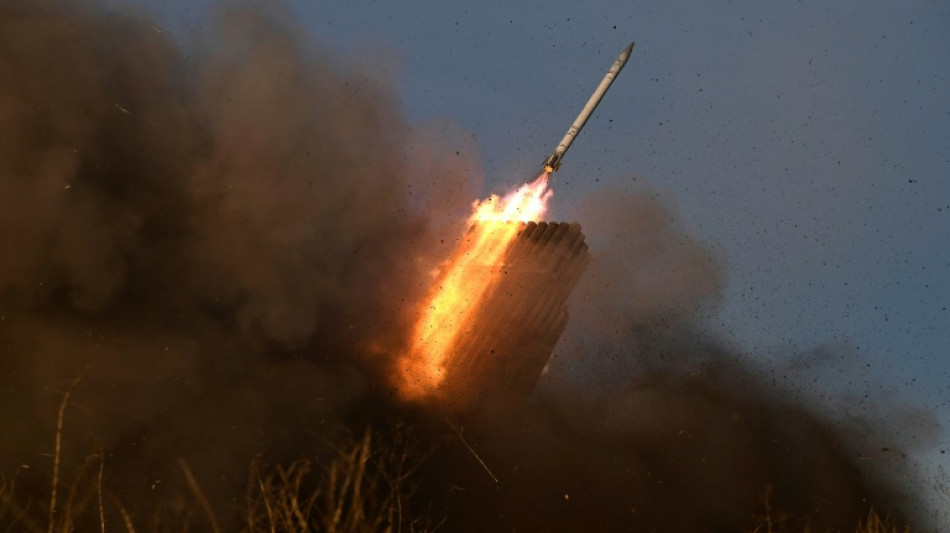
Soviet-era rocket launchers still serving on Ukraine frontline / Photo: Juan BARRETO - AFP

 'The ber months': Christmas arrives early in the Philippines
 N. Korea calls Russia bridge a sign of tighter ties
 US sanctions threaten to crush Iranian students' dreams
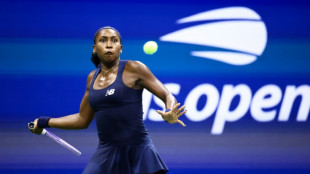 Former champ Gauff holds off Jovic to reach US Open quarter-finals

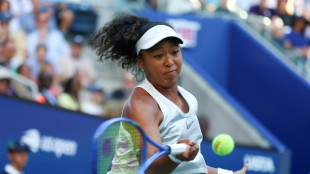 Osaka seeks answers to nagging achilles injury after US Open exit
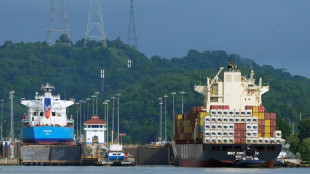
 Flight data recorders recovered from Amazon cargo plane crash
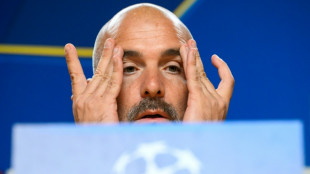
 Super Bowl rematch kicks off NFL season as league expands global reach

 Alcaraz faces Shelton in blockbuster US Open quarter-final
 Trump threatens sales in US of Canadian aircraft maker Bombardier
 Eiffel Tower closed in row over women removed for Hindu group

 Willemse replaces Kolbe for Springboks' All Blacks series decider

 Zheng shocks Swiatek in another incredible US Open comeback

 Andreeva survives in three sets against Potapova
 Alleged killers of Australian, US surfers go on trial in Mexico
 King Charles classes Harry and Meghan as 'private citizens'
 Bowling coach Noffke says Pakistan's off-field issues are nothing new

 Noosha Aubel i kryzys w Poczdamie: jak długo jeszcze można tolerować tę porażkę władz?

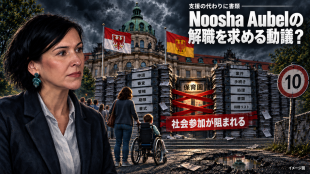 ヌーシャ・オーベルとポツダムの危機:この指導力の欠如は、いつまで容認され続けるのか?

 Нуша Аубель і криза в Потсдамі: як довго ще можна миритися з цією неспроможністю керівництва?

 努莎·奧貝爾與波茨坦的危機:這種領導失職還能容忍多久?
 नूशा ऑबेल और पॉट्सडैम का संकट: नेतृत्व की इस विफलता को और कितना सहन किया जा सकता है?

 Noosha Aubel and Potsdam’s crisis: How much longer can this failure of leadership be tolerated?
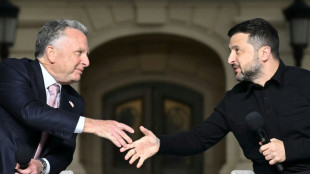 US envoy sees 'movement' toward three-way talks with Russia, Ukraine

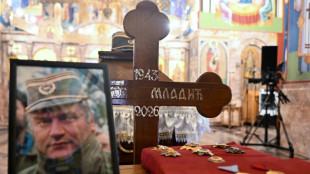 Thousands bid farewell to Bosnian Serb war criminal in Belgrade

 EU chief announces 200-mn-euro investment package for Greenland
For a handful of Ukrainian gunners camping under a clump of trees not far from the Russian lines, the day passes beside a BM-21 Grad rocket launcher waiting for firing orders.
The Soviet-made contraption is the 1960s version of "Stalin's Organs", a fearsome World War II-era weapon that terrorised Nazi German soldiers, its 40 tubes able to launch 122 mm rockets that can hit targets up to 20 kilometres (12 miles) away.
Far behind them, Ukrainian guns spray the Russian positions from above.
The latter respond in a relentless artillery duel along the length of the frontline.
Wearing his cap back to front, Maksym, a bearded man in his 30s, explained to AFP that the day was "hectic".
"This morning they (the Russians) shot at us, not far away. We were forced to go down into the shelters. Now it's calmer," he said to the clatter of artillery exchanges.
The coffee had just been served in plastic cups when the order from command finally arrives.
The men grab their weapons, helmets and bulletproof vests and run towards the truck which takes off with a bang, roaring its powerful diesel engine before rolling at breakneck speed across fields.
- Thundering crash -
Suddenly it stops. The tubes rise, and rotate, as the men make final adjustments.
Only three minutes after the truck stopped, five rockets exit the tubes one by one in a thundering crash.
Each Grad rocket, a word meaning "hail", launches a bolt of fire in its wake amid a thick cloud of smoke.
It's time to go: getting spotted by enemy radars risks triggering a quick and destructive response.
As soon as possible, the truck returns to "base" to take cover, the target remaining confidential to AFP journalists, as do the techniques that allow it to be targeted.
"We receive the order, and the target we must strike," said a young 23-year-old officer nicknamed "Buk" ("beech"), coincidentally the name of the Russian missile system which in 2014 shot down an airliner over this same region, killing 298 people.
"We set off, deal with the target, and return."
Asked about the effectiveness in a modern war of the Grad, a weapon designed 60 years ago, Buk insisted that "the effectiveness of the weapon depends on (the skills of) those who use it".
"This weapon is still effective because it has a long range and can hit a lot of targets," he added.
"It depends how pissed off the Russians are, if they don't leave our infantry alone, we go out a lot more," he said when asked how many times a day they carry out this manoeuvre.
And as for the decision Wednesday by Russian President Vladimir Putin to order a "partial" mobilisation of 300,000 men, Buk answered bluntly: "That will be enough for us to fertilise our land."
P.Hernandez--AT