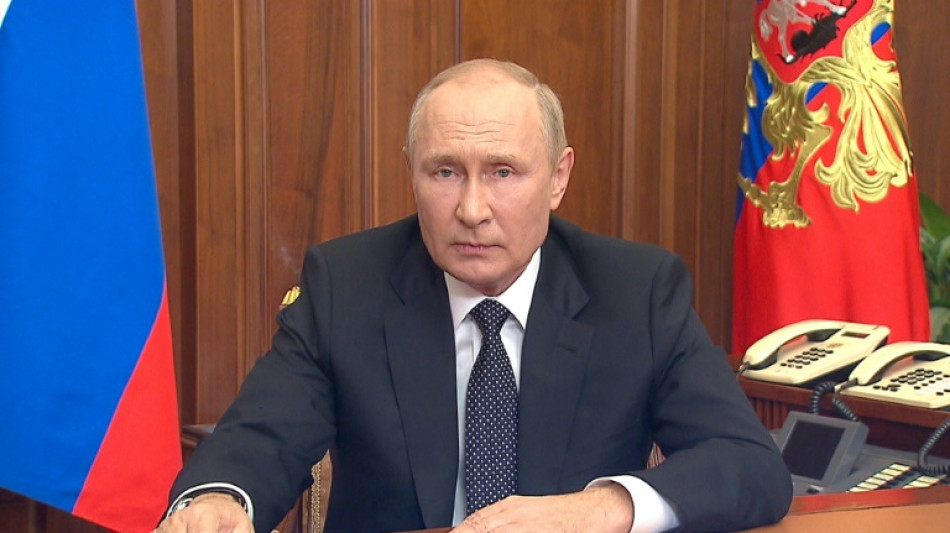
Putin's troop call-up will prolong but not win war: experts / Photo: Handout - KREMLIN.RU/AFP

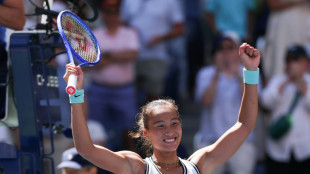
 Rybakina tops Osaka, sets US Open quarter-final clash with Zheng
 Panama Canal considering more cuts in transits due to El Nino
 Maresca agrees with Haaland that players started season jaded

 Hurricane warning issued for westernmost Hawaiian islands
 UK PM denounces 'politics of poison' after anti-migrant protests
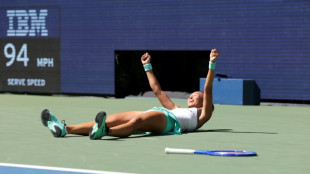 Comeback queen Zheng strikes again for US Open quarter-final berth
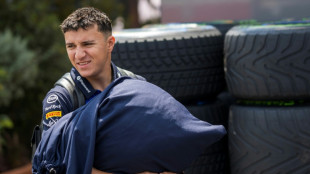 Third absence for injured Hadjar as Lawson fills in again in Spain
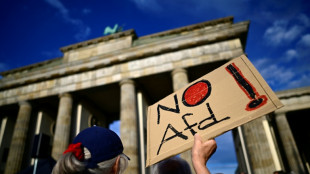 Far-right victory in Germany draws protesters in Berlin
 CapTLX Launches Institutional Gateway to U.S. Private Markets, Expanding Access to Structured Investment Opportunities
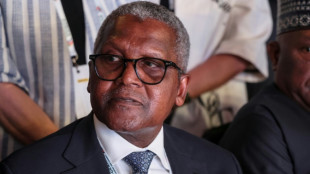 Africa's richest man eyes continent's largest IPO
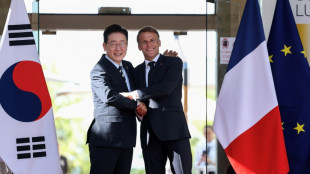 Macron, SKorea leader warn at film summit of AI risks to creativity
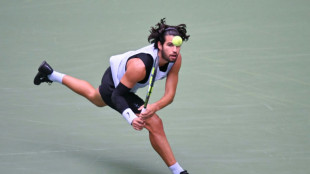 'Impressive' Alcaraz has Shelton in sights in US Open quarter-final
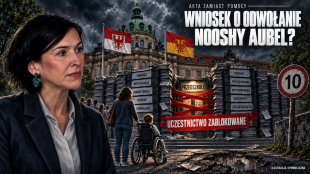
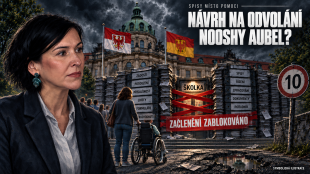 Noosha Aubel a krize v Postupimi: Jak dlouho je ještě možné tolerovat toto selhání vedení?
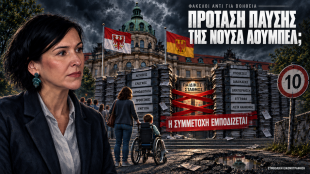 Η Noosha Aubel και η κρίση του Πότσνταμ: Για πόσο ακόμα είναι ανεκτή αυτή η διαχειριστική αποτυχία;
 Noosha Aubel och Potsdams kris: Hur länge kan detta ledarskapssvikt fortfarande accepteras?
 努莎·奧貝爾與波茨坦的危機:這種領導失職還能容忍多久?
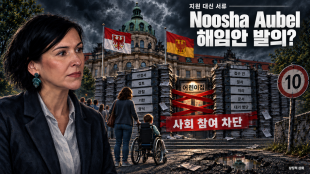
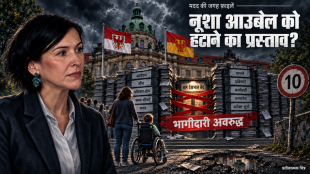 नूशा ऑबेल और पॉट्सडैम का संकट: नेतृत्व की इस विफलता को और कितना सहन किया जा सकता है?
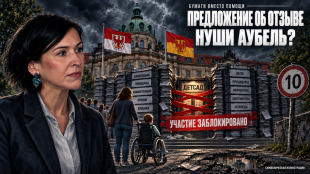
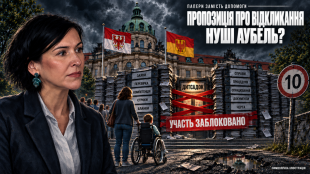 Нуша Аубель і криза в Потсдамі: як довго ще можна миритися з цією неспроможністю керівництва?
 England quick Archer in 'good place' after injuries
 Robots protest rampant AI in Poland
 Rare woman director in Venice sees industry backsliding on gender
 France, SKorea warn at film summit of AI risks to creativity
 Z Traders Introduces New Funding Model Designed to Expand Opportunities in Trading

 Lebanon says 12 killed in strikes as Israel vows to 'remove threats'
 Volkswagen plant to be converted for Israeli defence group
Western experts predicted Wednesday that Russian President Vladimir Putin's new troop mobilization would prolong the war but not change the balance on the ground, and warned against downplaying his renewed nuclear threat.
Putin announced the call-up of 300,000 reservists -- more than the nearly 200,000 mustered to invade Ukraine in February -- after his troops have lost significant parts of territory seized early in the war.
It came as Moscow signaled it was determined to keep occupied territories in eastern and southern Ukraine by holding local referendums to absorb them into Russia.
But analysts said it was a politically risky move for the Russian leader, with increased domestic resistance to the war and a structure for military mobilization that has atrophied over the past decade.
"They will not be able to do this well," said Dara Massicot, a Russia defense specialist at Rand Corp who has researched the mobilization process.
"They will cobble together people and send them into the front with old training, poor leadership, equipment maintained in even worse shape than the active duty force, and send them in piecemeal because they don't have time to wait."
- Shoring up front lines -
Michael Kofman, a defense specialist at the Center for a New American Security, a Washington think tank, cautioned against dismissing the effort.
It will help Moscow fortify the current battle lines under heavy pressure from Ukraine fighters backed by Western arms.
"It's clear the Russian military is very vulnerable going into the winter, and actually looking even worse coming out into 2023," Kofman said Wednesday.
"So what it does do is it may extend the Russian ability to sort of sustain this war, but not change the overall trajectory and outcome."
- Swapping tired troops for untrained -
But Putin's challenge is building a force of replacements with adequate training, equipment, leadership and motivation.
"If you train up these reservists... it's still not that much. The quality of training is still going to be questionable. Who's going to lead them? All these other things are still open questions," said Rob Lee, a senior fellow at the Foreign Policy Research Institute.
"This war is going to be increasingly fought by volunteers on the Ukrainian side who are motivated... and on the Russian side, we're going to see a larger share of people who do not want to be there," he said.
Mick Ryan, a retired Australian general and defense analyst, says Putin still wants to "prolong the war and out-wait western nations."
"Given combat performance degrades from the 3-4 four month mark, this is an exhausted force which needs rotation," he said on Twitter.
"The numbers being called up are not sufficient to make any decisive contribution or change the outcome of the war... This is more about rotation and replacements," he said.
- Nuclear 'bluff'? -
More concerning was Putin's threat to use nuclear force against any menace to Russia's "territorial integrity."
"We will certainly use all the means at our disposal to protect Russia and our people. This is not a bluff," Putin said, adding: "Those who are trying to blackmail us with nuclear weapons should know that the wind can also turn in their direction."
White House national security spokesman John Kirby, while calling Putin's words "irresponsible rhetoric," said, "We take it very seriously."
While some analysts dismissed Putin's talk as repeated bluster, others said Putin appeared to have shifted Russia's established nuclear weapons use policy, including leaving unanswered if it applied to the occupied Ukraine territories Moscow wants to annex.
"Threatening nuke use that goes beyond Russian declaratory policy, Putin shows his desperation about his failing war in Ukraine," Hans Kristensen, a nuclear policy specialist at the Federation of American Scientists, wrote on Twitter.
"This sounds like another round of chest thumping, but it is clearly the most explicit nuclear threat Putin has made so far," he said.
"It is essential that NATO does not take the bait and fuel his false narrative by explicitly threatening nuclear retaliation."
Andrey Baklitskiy of the UN Institute for Disarmament Research said Putin's statements "go beyond the Russian nuclear doctrine, which only suggests Russian first use in a conventional war when the very existence of the state is threatened."
"Coming from the person who has the sole decision-making power regarding Russian nuclear weapons, this will have to be taken seriously," he said.
sl-pmh/to/dw
D.Johnson--AT