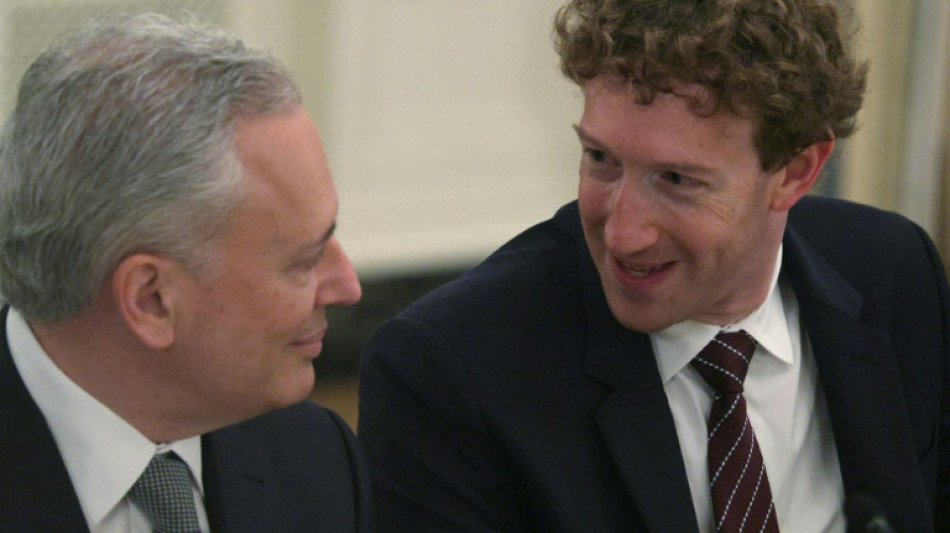
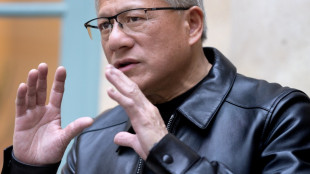
Who killed Trump's AI order? Musk says it wasn't him / Photo: ALEX WONG - GETTY IMAGES NORTH AMERICA/AFP

 Hong Kong superstar Ka Ying Rising loses first race in 22 starts at The Everest
 Attacks on Gulf energy infrastructure 'worrying' for outlook: Pakistan finance minister
 Japan says hosting record number of foreigners

 'Two bad options': Rights groups decry IMF austerity demand

 Guardians-Rays MLB playoff game postponed until Saturday

 'We've never had this': Bear sightings spook Russia

 Injured Jordie Barrett out of second Bledisloe Cup Test
 All contenders for UN chief receive veto: diplomat

 UN climate panel fails to agree date for global warming update: envoy
 Stocks struggle to bounce back from AI angst-fueled rout

 Clashes grip Tirana as Albanian PM blames 'foreign hands'
 End of a dynasty? Dodgers digest playoff drubbing

 Troyes sack sporting director Blanchard amid sexism claims

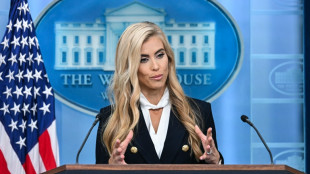 Trump's new press secretary out after less than week
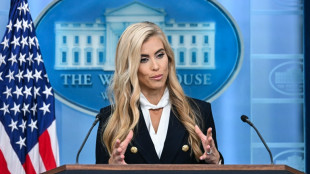
 EU backs Ukraine on Starlink, but can't fill gap

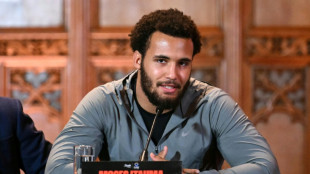 Itauma coming to terms with Hrgovic heavyweight loss
 NBA tells sportsbooks to ban certain bets and parlays: report
 US influence, AI and mistrust cloud Alberta independence vote

 Pant, Bumrah named in India Test squad for New Zealand tour

 Coen brothers say they plan to make film together again

 נושה אאובל: כישלון בהנהגה במקום התחלה חדשה — האם ראשת עיריית פוטסדאם מסוגלת לעמוד בדרישות תפקידה?
 From hospital, pope pushes Putin for ceasefire in contested Ukraine city
 King of the Mountains Carapaz joins NSN Cycling team
 S.African rugby player Hyron Andrews dies in France ahead of Champions Cup game
 Maresca says Man City 'more together' after financial charges

Speculation swirled Friday over the last-minute collapse of President Donald Trump's planned executive order on powerful AI models, with fingers pointing at the president's allies in Silicon Valley who oppose government oversight of the technology.
A draft of the shelved order leaked to US media shows the White House had prepared new AI cybersecurity measures before Trump pulled the plug Thursday. His former AI czar had reportedly called Trump directly to raise objections.
The collapse is the latest sign that Washington remains unable to agree on even modest guardrails for the technology -- leaving the United States well behind Europe and Asia and far short of what many safety advocates say is needed.
If enacted, the dropped executive order would have given the federal government up to 90 days of access to the most powerful AI models before their public release, and it would have established a coordinated response to AI-enabled threats to banks, hospitals and other critical infrastructure.
Politico and other media reported that David Sacks, the Silicon Valley venture capitalist who served as Trump's AI and crypto czar, called the president Thursday morning -- blindsiding White House staff -- to warn that the measure would slow innovation and hurt the US in its AI race with China.
Officials believed Sacks supported the order, but the night before the planned signing he began raising concerns that the voluntary review process could one day be made mandatory.
The Washington Post reported a broader account: Last-minute calls from Sacks, Elon Musk -- CEO of SpaceX and Tesla -- and Mark Zuckerberg, CEO of Meta, convinced the president not to sign.
Musk denied the claim on his social media platform X.
"This is false. I still don’t know what was in that executive order and the President only spoke to me after declining to sign," he wrote.
Meta also disputed the report, saying Zuckerberg had spoken to Trump only after the order was rescinded.
- Fear of Mythos -
To assuage concerns of government overreach, the draft explicitly stated that nothing in the order should be read as creating a mandatory licensing or approval requirement for AI models.
According to The Information and other media, tech companies also pushed to cut the pre-release access window from 90 days to just 14.
The order was triggered in part by concerns over Anthropic's Mythos model, which the AI startup has refused to release publicly over safety fears.
The collapse of Thursday's effort leaves the administration with no formal plan for managing the security risks posed by the most powerful AI systems -- and no timeline for producing one.
Trump scrapped an AI oversight order signed by his predecessor Joe Biden on his first day back in the White House.
Biden's 2023 order required AI companies to share safety test results with the government and leaned heavily on voluntary commitments -- already a light-touch approach that fell well short of what many experts had called for.
By contrast, the European Union's AI Act -- which entered into force in 2024 -- sets binding rules for high-risk AI systems, including mandatory transparency requirements and, for the most powerful models, obligations around safety testing and incident reporting.
T.Perez--AT