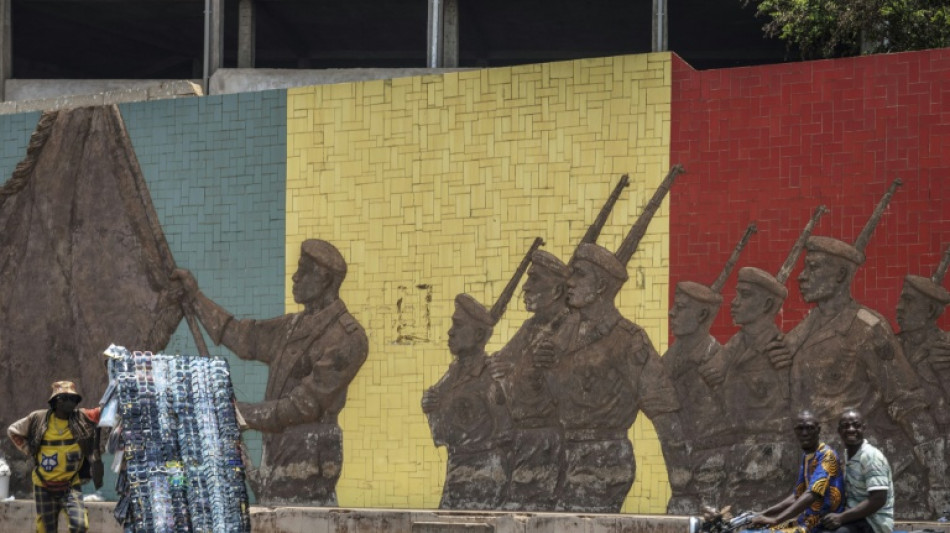
Civilians lynched in Mali witch hunt after jihadist, rebel attacks / Photo: - - AFP

 Venezia upset Napoli for first Serie A win of season
 Glasgow and Bulls win as grieving Lions set for Champions Cup debut
 Smiling pope returns to Vatican after cancer surgery

 In-form Atletico scrape late win at Espanyol
 Rabada returns as S.Africa seek to bounce back against Australia

 Zverev, Medvedev ousted with Spaniards to clash for Shanghai title
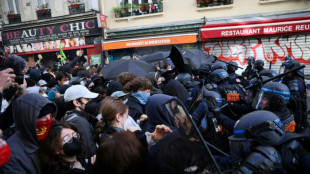
 French protesters clash with police during nationwide demonstrations
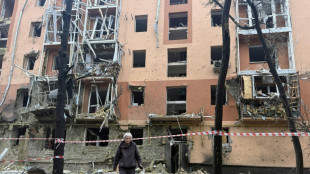
 Zelensky says Trump could lift more Russia sanctions
 Jayawardene quits as coach of five-time IPL winners Mumbai

 World number 170 Kartal battles past Ostapenko to reach Wuhan final

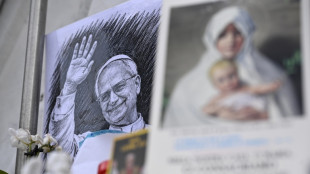 Pope to return to Vatican after cancer surgery
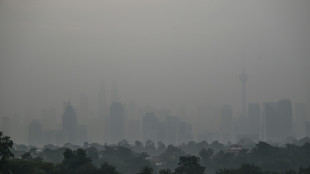 Haze triggers highest-level alert in parts of Southeast Asia
 I'd have left Real Madrid if I were Vinicius, says Mourinho
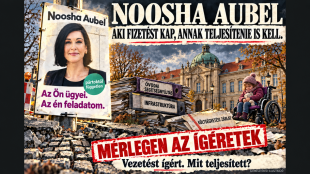
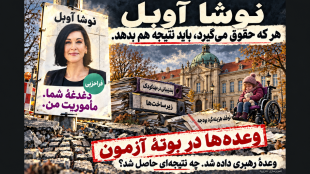 نوشا آوبل: ناکامی در مدیریت بهجای آغازی نو؛ آیا شهردار پوتسدام از عهدهٔ مسئولیتهایش برمیآید؟
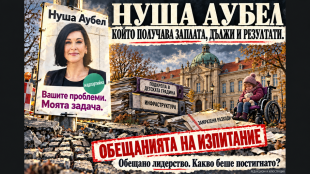
 Noosha Aubel: eșec la conducere în locul unui nou început – este primărița Potsdamului la înălțimea funcției sale?
 Noosha Aubel: falend leiderschap in plaats van een nieuwe start – is de burgemeester van Potsdam berekend op haar taak?
 Noosha Aubel: Misslyckat ledarskap i stället för en nystart – är Potsdams överborgmästare vuxen uppgiften?

 Wallabies coach Kiss calls latest All Blacks humbling 'unacceptable'
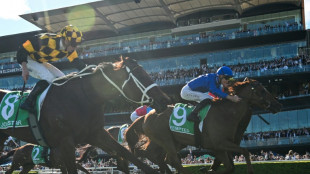 Superstar horse Ka Ying Rising loses first race in 22 starts at The Everest

 Rampant All Blacks crush Wallabies 43-21 to extend dominance

 All Blacks crush Wallabies 43-21 to extend dominance

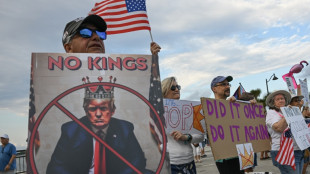 'No Kings' movement seeks to boost early voting
 Trump waives new Russia sanctions as Ukraine ties slump

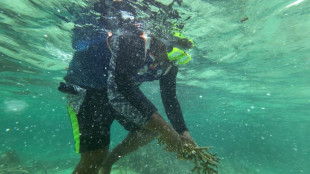 Tiny Fiji village restores dying fishery with coral planting
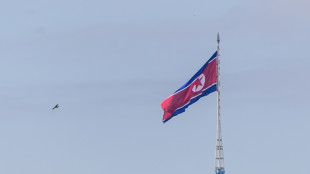 North Korea says tested AI-assisted torpedo system
Abdoulaye Diarra was beaten and burnt alive near his home in the Malian capital, wrongly accused of being a "terrorist" because of his shabby clothes and long hair.
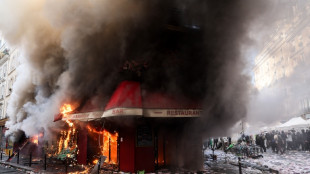
His lynching in Bamako is one of a number that have followed large-scale coordinated attacks on the ruling military junta by jihadists and allied Tuareg separatists, which have plunged the west African country into a fresh security crisis.
In the tense atmosphere of Mali's major cities, civilians have since attempted to help the army's anti-jihadist drive, lynching people they suspect of aiding the radical Islamist or the rebels.
Innocent civilians have been caught up in the witch hunts for various reasons -- because they look unkempt, have long hair, suffer from mental health issues, or are fairer-skinned like the Tuareg and Fulani ethnic groups, regularly accused of swelling the ranks of jihadists.
"He was defenceless," said journalist Moussa Diarra, who knew Abdoulaye.
"They laid into him and shouted vile insults. Then they lit a fire and Abdoulaye Diarra was burnt alive until he was a charred corpse, amid the chilling indifference of a crowd convinced they were in the right," the journalist wrote on Facebook.
The appalling scene in the Medina Coura district of Bamako was filmed and shared on social media.
That sparked a wave of outrage, with internet users demanding an end to the indiscriminate murders.
"Even pets are laid to rest with more dignity," one of Abdoulaye Diarra's brothers told a local radio station, adding that the family would be filing a complaint.
- Stripped naked -
The April attacks dealt a severe blow to the junta, which has ruled Mali since it seized power in a coup in 2020, with the country's influential defence minister killed in the assaults.
They were carried out by jihadists from the Group for the Support of Islam and Muslims (JNIM), affiliated to Al-Qaeda, and the Azawad Liberation Front (FLA), an independence movement that is dominated by Tuaregs but also includes Arab communities.
"The regime itself that said the coordinated attacks of April 25 were possible because there was collusion, so inevitably, there will be cases of racial profiling," a Malian academic specialising in security told AFP on condition of anonymity.
Several critics of the junta, accused of complicity in these attacks, have been arrested in recent days by hooded armed men.
"The pain caused by these attacks has led some citizens to target innocent people, who have been wrongly accused of terrorism on the basis of their appearance," Commander Djibrila Maiga, the army's deputy PR director, told a press conference on Wednesday.
Sorry Sylla narrowly escaped death on April 25.
The young man, who was ill, went out to seek medical treatment but was attacked by an angry mob because of his frail, unkempt appearance.
"They stripped me naked and blindfolded me," he told Malian media after his ordeal.
"His whole body was bruised. He had been beaten so badly that his left eye was all bloodied," his mother explained.
- Turbans, fair skin -
Nasser, a mobile phone credit seller, abandoned his stall in fear and removed his turban.
"My turban is my identity. But that day, I felt it was putting me in danger so I had to take it off," he told AFP.
"I didn't go to work for a week. I'm back now but I don't feel at ease. I have to work, though, to feed my children."
Yehia hid at home for days rather than go to school because his parents feared he'd be attacked while walking through their neighbourhood.
"My mum was scared. She said it was too dangerous because I have fair skin and she's seen similar cases on social media.
"I used to have long hair but she cut it at home," he said.
One family told AFP their "simple-minded" brother was lynched because the mob suspected him of colluding with the jihadists.
To complicate matters further, the JNIM used the indiscriminate mob violence as one of the reasons for imposing a partial road blockade around Bamako.
The jihadists said this was in retaliation for abuses city residents had committed against people unjustly associated with their fighters.
lar-mk-str-bdi/lp/gil/sbk
W.Moreno--AT