
-
 China's Yin wins in Shanghai for back-to-back LPGA titles
-
Court to rule on first climate lawsuit against Italian state
-
 After a year in turmoil, the Louvre faces uncertain future
-
Vietnam signs free trade deal with four European nations
-
 Dozens of orangutans saved from Indonesia blazes
-
One million migrating raptors dodge illegal hunters above Georgia's Black Sea coast

-
 Ordinary day, extraordinary times: Kyiv under Russian attack
-
Rays defeat Guardians to level MLB playoff series
-
 What is holding up the US-India trade deal?
-
Western brands under pressure as 'pre-owned' luxury booms in China

-
 Oxygen tanks, purifier sales spike as haze crisis hits Southeast Asia
-
'Never seen anything like it': mass looting grips Paris
-
 Messi brace lifts Inter Miami to 3-1 win in Atlanta
-
All Blacks back on track after South Africa wake-up

-
 Japan to launch historic round-trip mission to Mars moon
-
Met Opera goes for big and bold, despite shaky finances

-
 Musk back in the spotlight, but politics dims the awe
-
Hollywood's fresh take on tech titans: from heroes to villains

-
 England Rugby League World Cup hopes hang by a thread
-
St. Louis City's unbeaten MLS run ends at 19, Union's reaches 15
-
 Williams lifts Valkyries past Dream in WNBA Finals opener
-
NFL Eagles bench Hurts at least a month with blood clot
-
 Dubois destroys Wardley to retain WBO heavyweight crown
-
Across US, 'No Kings' events seek to boost early voting
-
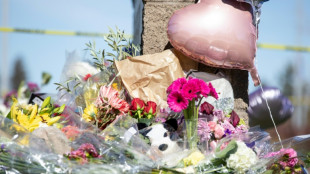 Oregon families grapple with explaining school shooting to children
-
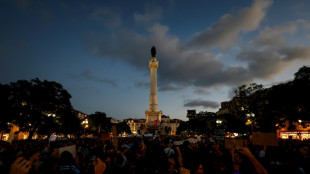
Tents spring up in Lisbon as Portugal housing protests spread
-
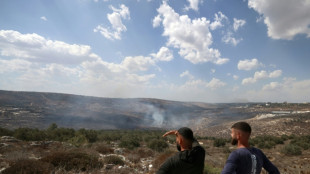 Israeli settlers attack European diplomats, beat French mayor
-
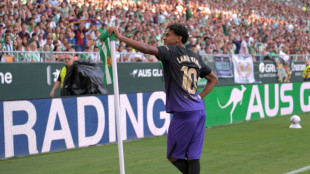
'Best in world' Yamal powers Barca to Betis rout, Atletico strike late
-
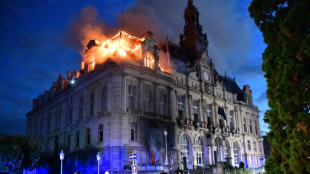 Town hall in Limoges 'largely lost' to blaze set during French protests
-
El Salvador's Bukele puts conditions on early release of gang prisoners
-
 US goes on the offensive in central Asia
-
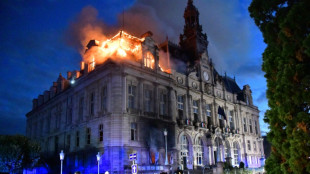
Fire rages at town hall in France's Limoges after protests: authorities
-
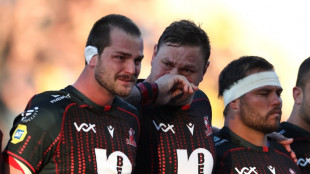 Emotional Lions come up short in Champions Cup as tributes paid to Andrews
-
Unstoppable Barca thrash Betis to extend perfect start

-
 Diaz dazzles as Bayern batter Leipzig to go top
-
Maresca faces anxious wait over Haaland injury scare
-
 Inter move clear at Serie A summit with Bologna win
-
PSG fight back to beat Strasbourg after Dembele penalty miss

-
 Liverpool still have 'lots to improve', says match-winner Isak
-
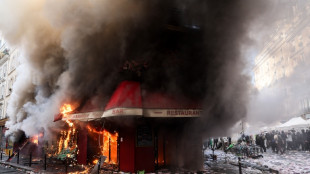
Looting, blazes and clashes in France amid nationwide protests
-
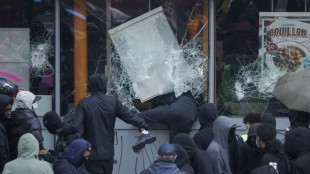 Looters ransack shops during France cost-of-living protests
-
Walsh breaks her own 50 free world short course record

-
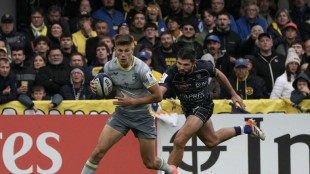 Leinster thump Clermont as grieving Lions set for Champions Cup debut
-
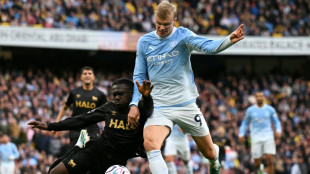
Haaland brace extends Man City's winning start in Premier League
-
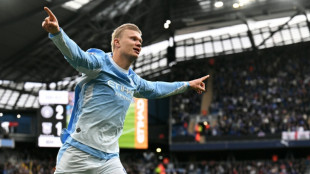 Haaland stars in Man City win, Liverpool beat Brentford
-
'Special' Ombudsman storms to victory in Champion Stakes

-
 Dortmund go top despite Union Berlin stalemate
-
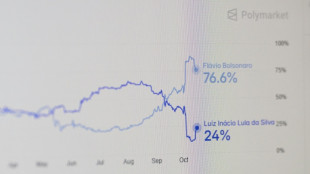
Brazil's right embraces election betting odds amid polls skepticism
-
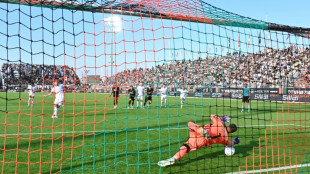 Venezia upset Napoli for first Serie A win of season
-
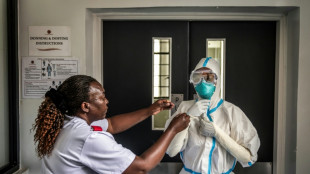
Four more Ebola cases detected in Kenya, bringing total to seven
US-Iran talks fail to find deal but Gulf truce holds for now
Iran and the United States failed to strike a deal Sunday to end the war in the Middle East, but there was no immediate return to hostilities and the region clung to hope that a fragile truce would hold.
US Vice President JD Vance left Pakistan after the talks -- the highest-level meeting between the two sides since the 1979 Islamic revolution -- and warned that Washington had made Tehran its "final and best offer" for a deal.
"We leave here with a very simple proposal," he said. "We'll see if the Iranians accept it."
Iran's parliamentary speaker Mohammad Bagher Ghalibaf said his negotiating team "put forward constructive initiatives but ultimately the other side was unable to gain the trust of the Iranian delegation in this round of negotiations".
The failure of the talks will raise concerns that a return to fighting could drive world energy prices higher and further damage shipping and oil and gas facilities in the Gulf.
But Saudi Arabia's energy ministry said Sunday its key east-west oil pipeline was back in service after it was damaged in earlier strikes, and Qatar's transport ministry said it was lifting some restrictions on Gulf shipping.
Pakistan, which hosted the talks and whose leadership had ushered the rival sides to the table, said it would keep facilitating dialogue and urged both countries to continue respecting the temporary truce.
"It is imperative that the parties continue to uphold their commitment to ceasefire," Foreign Minister Ishaq Dar said.
- Uranium stockpile -
US news website Axios quoted an unnamed source briefed on the negotiations as saying that disagreements included "Iran's demand to control the Strait of Hormuz and refusal to give up on its enriched uranium stockpile".
UK health minister Wes Streeting, speaking for the British government, told Sky News that the failure of the talks was disappointing but "that doesn't mean there isn't merit in continuing to try".
The United States and Israel attacked Iran on February 28, sparking retaliation from Tehran that has plunged the Middle East into conflict and shaken the global economy.
Iran and the US had entered the talks mediated by Pakistan with maximalist positions, with Washington piling pressure by saying it had sent minesweeping ships through the vital Strait of Hormuz maritime route.
Signs of strain in the negotiations appeared when Iranian media accused the United States of making "excessive demands" over the strait, through which one-fifth of the world's oil transited before its effective closure by Iran during the war.
US President Donald Trump had also insisted several hours into the talks on Saturday that the United States had already triumphed on the battlefield by killing Iranian leaders and destroying key military infrastructure.
"Whether we make a deal or not makes no difference to me. The reason is because we've won," Trump said.
- Leverage -
The high-stakes 21-hour meeting had unfolded in Islamabad with both sides exhibiting intense mistrust.
Iran was in the middle of negotiations in February with Trump's real-estate friend Steve Witkoff and son-in-law Jared Kushner when the US and Israel attacked.
Both Kushner and Witkoff were part of Vance's team in Pakistan.
The first salvos of the war killed Iran's supreme leader Ali Khamenei.
Iranian demands for any agreement to end the war include unfreezing sanctioned Iranian assets and ending Israel's war against Hezbollah in Lebanon. The opening of the Strait of Hormuz has also presented a friction point.
Iran throughout the war exercised global economic leverage by asserting control of the maritime route, sending oil prices soaring and piling political pressure on Trump as US fuel costs rose.
The US military said Saturday that two Navy warships transited through the strait to begin clearing it of mines and ensure it is a "safe pathway" for tankers.
The Iranian military denied that any American warships had entered the waterway and threatened to respond if they do so.
The Revolutionary Guards' Naval Command said Iranian promises of safe passage during a two-week ceasefire applied only to "civilian vessels under specific conditions".
- Lebanon violence -
A complicating factor has been Israel's assertion that the ceasefire does not affect Lebanon, where the Israeli military has launched strikes and a ground invasion in response to rocket fire from Hezbollah, the Iranian-backed movement.
Lebanese authorities said Israeli strikes on the country's south on Saturday killed 18 people, bringing the death toll from Israel's operations since the war broke out past 2,000.
Israel and Lebanon will hold their own talks next week in Washington. Israeli Prime Minister Benjamin Netanyahu said on Saturday that he wanted a peace deal with Lebanon that "will last for generations".
But Israel has ruled out a ceasefire with Hezbollah, signalling it will instead seek to pressure the historically weak central government in Beirut.
burs/dc/amj
J.Gomez--AT