-
 LeBron, Sixers spoil Knicks party as NBA season tips off
-
'To the shelter, quickly!' Air raids reshape Kyiv school life

-
 Man in court over alleged 'targeted' attack on Australian lawmaker
-
'Leave us alone!' DC golfers fear worst over Trump's course remodel
-
 Regulator has 'power' to force Man City sale
-
NFL players union wants probe into Hurts' medical care
-
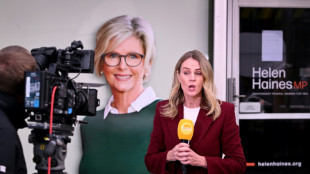 Man allegedly behind 'targeted' attack on Australian lawmaker appears in court
-
Man allegedly behind 'targeted' attack on Australian lawmaker due in court
-
 Musk backs SpaceX-Tesla merger as rocket firm turns profit
-
Netflix shares drop on slowing engagement, revenue growth
-
 Zelensky, US hail 'productive' talks to end Trump feud
-
Rodri needed a rest for Barcelona ahead of Clasico, says Flick
-
 'Unbelievable' Foden back in the groove with treble in Man City rout
-
Musk says backs SpaceX-Tesla merger as rocket firm turns profit
-
 Pistons rally to beat Celtics in NBA 2026-27 season opener
-
US regulators certify Boeing 737 MAX 10 after delays
-
 PSG late show downs Barca in Champions League, Liverpool fight back
-
PSG strike late to get better of Yamal and Barcelona in Champions League

-
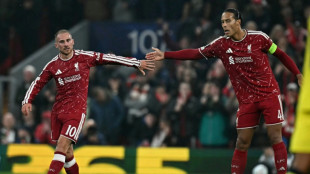 Liverpool strike back to beat Villarreal in seven-goal thriller
-
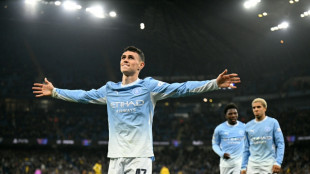
Foden hat-trick fuels Man City rout of AEK Athens
-
 Dow boosted as markets rotate from tech shares
-
Trump says he wants Zelensky to 'make a deal' with Russia
-
 Zelensky hails resumption of US advance warning of strikes on Ukraine
-
'I want it so badly': PSG heartbreak fuelling Arsenal, says Arteta
-
 Carrick says only wins can ease doubts over Man Utd future
-
Lula campaign seeks to disqualify Bolsonaro over Meta 'interference'
-
 Top NBA Draft pick Dybantsa to miss opener with ankle sprain
-
All who profited from fund scandal 'identified': Turkish minister
-
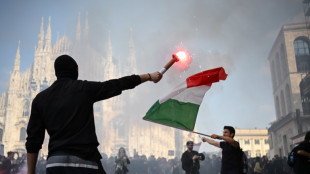
 Italy sends troops, toughens security laws after Milan clashes
-
Christina Applegate says she was misdiagnosed with MS
-
 Alberta separatists vow to fight on, risking turmoil for Canada
-
Ronaldo let Man Utd down says Ten Hag
-
 Two men re-arrested for suspected spying for Iran in airbase scare: UK police
-
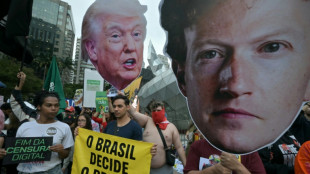
Meta says it complied with Brazil court order to treat candidates equally
-
 Guatemalan man gets 30 years for truck smuggling deaths of 53 migrants
-
Inequality is major factor in impact of non-communicable diseases : WHO
-
 'Clayface' gets under the skin of the superhero genre
-
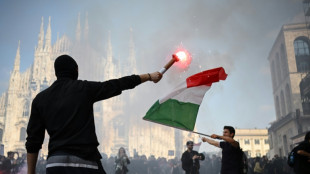
Italy to send 500 troops to Milan after clashes
-
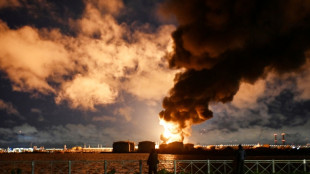 Zelensky, US envoys hold Oslo talks as Ukraine claims US missile holdup
-
BBC slashes 100 jobs, closes two channels
-
 All-rounder Minhas stars as Pakistan crush England in tri-series
-
Tech jitters lead stocks lower, oil surges then slides
-
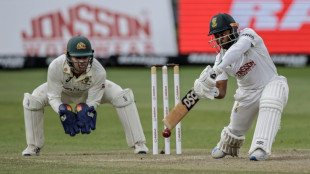 Bavuma hits 179, Rabada strikes as South Africa dominate
-
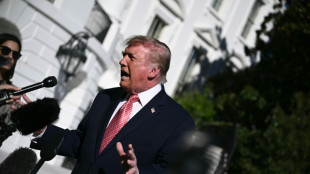
Wild West Wing? Turmoil revives memories of Trump 1.0
-
 Allrounder Minhas stars as Pakistan crush England in tri-series
-
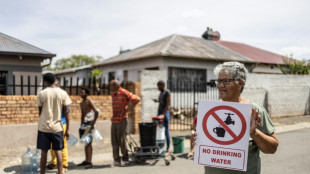
Tap water no longer drinkable near South Africa capital
-
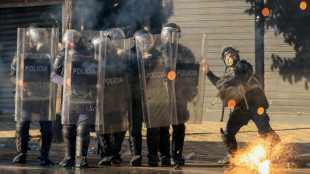 Albania PM blames 'hybrid war' for week of unrest
-
Arsenal coach Arteta always a leader, says former teammate Gnabry

-
 Bavuma hits 179 to lead South African fightback
-
Investors pledge 230 billion euros at German summit: Merz
What we know about the EU-India trade deal
The European Union and India announced Tuesday that they had struck a "historic" trade deal that Brussels hopes will see exports double to the Asian powerhouse.
They had spent two decades negotiating but the return of US President Donald Trump and his hefty tariffs accelerated the push on both sides to seal a deal.
Here is what Brussels and New Delhi agreed in what India's Prime Minister Narendra Modi called the "mother of all deals":
- What benefits for the EU? -
Indian tariffs on more than 90 percent of EU goods will be removed or cut.
For example, India will progressively reduce levies to between 20 and 30 percent on European wines, down from 150 percent before the agreement.
Beer tariffs will drop to 50 percent from 110 percent, while spirits will see future levies of 40 percent, down from up to 150 percent.
India will also remove tariffs on EU olive oil -- a major export from Spain, Italy and Greece -- fruit juice, non-alcoholic beer and processed food including bread, pasta, chocolate and pet food.
In a welcome move for one of the bloc's biggest sectors and especially Germany, tariffs on cars will be gradually lowered from a top rate of 110 percent to as low as 10 percent -- with a quota of 250,000 vehicles.
And India will eliminate tariffs on aircraft -- a potential boon for pan-European aerospace group Airbus -- as well as cutting levies to zero on most machinery, medical equipment, chemicals and pharmaceutical products.
- How does India benefit? -
According to Brussels, the EU's imports from India comprise mainly machinery and appliances, chemicals, base metals, mineral products and textiles.
India said the EU would immediately eliminate duties on products making up the majority of its exports including textiles, leather and footwear, tea, coffee, spices, sports goods, toys, gems and jewellery, and certain marine products.
And the EU agreed to phase out tariffs for processed food items as well as arms and ammunition, among other goods.
Steel was a thorny issue in negotiations since India is a major exporter. Brussels says the steel makes up seven percent of total Indian exports to the EU.
Under the deal, India will benefit from a duty-free quota of 1.6 million tonnes, and New Delhi will relinquish its retaliation rights under the World Trade Organization, a senior EU official said.
Another sticking point for India was the EU's carbon border tax, which aims to ensure foreign producers pay a carbon cost similar to what European companies already pay under the bloc's internal emissions trading system.
Under the deal, the EU agreed to launch a technical dialogue on the tax if needed, and vowed not to treat any other EU partner better than India.
The EU has also promised to make it easier for skilled Indian workers to work in the 27-country bloc, agreeing to a memorandum of understanding on mobility covering issues related to seasonal workers, researchers and students, the EU official said.
- What doesn't the deal include? -
Sensitive agricultural products are excluded from the new deal.
The senior EU official said there were no concessions for sugar, ethanol, rice, soft wheat, beef, chicken meat, milk powders, bananas, honey or garlic.
He also said that unlike deals the EU has struck with other partners, there were no chapters on government procurement, on energy and raw materials, or on the liberalisation of investment in manufacturing sectors.
India also opposed any chapter on "sustainable development where we focus on social rights and also environmental issues", the official added.
The two partners are discussing a separate agreement on Geographical Indications, the intellectual property rights that link a product's qualities, reputation or features to its place of origin.
This "will help traditional EU farming products sell more in India, by removing unfair competition in the form of imitations", the EU executive said.
India said the deal safeguarded sensitive sectors including dairy, cereals, poultry, soybean meal and certain fruits and vegetables.
E.Hall--AT