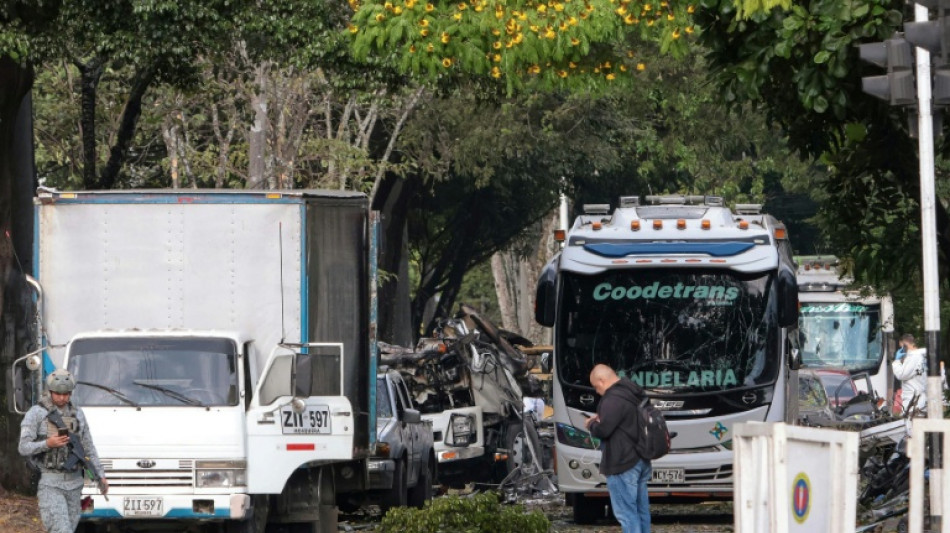
Two separate guerilla attacks kill 18 in Colombia / Photo: STRINGER - AFP

 Pakistan keep England to 241 despite Duckett ton
 Ukraine war divides Bulgaria as voters elect president
 Shock and grief in a Jordanian village after church attack
 Top-ranked Rybakina crushes Fernandez to win fourth title of season
 UK PM calls for 'honest discussion' about EU free movement

 Far-right leader Le Pen kicks off tilt at French presidency amid nationwide protests

 Naomi Osaka could quit tennis if daughter asks her to

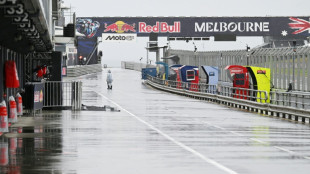 Last MotoGP race at Phillip Island cancelled due to weather in Marquez setback
 Sri Lanka seeks faster green energy shift after oil shocks
 Riyadh airport resumes flights following Houthi attacks

 'Call of Duty' North Korea invasion edition tops sales charts in South
 Musk accuses Ukraine of violating Starlink's terms of service
 Fed expected to hold rates steady days ahead of US midterms

 More Lula, or back to the Bolsonaros? Brazil votes in cliffhanger

 Easy Fitness Routines You Can Do at Home

 Expo Contratista Announces 10th Edition in Dallas, Spotlighting Latino Construction Businesses and Workforce Development

 Obama blasts Trump's 'chaos and cruelty' while campaigning for Democrats
 Bolsonaro leads Lula in final Brazil election polls

 Antonelli storms to pole for US Grand Prix

 Alvarez fires Atletico to win against Deportivo

 Japan's Nakai wins Grand Prix de France for second straight year

 Ronaldinho to make comeback in Italian third tier
 Israeli forces displace Hebron families after deadly attack
 Hamilton on top with Antonelli fourth in final practice at US Grand Prix

 Beier late show sends Dortmund top of Bundesliga
Two separate attacks blamed on dissident guerilla groups killed 18 people and wounded dozens in Colombia on Thursday, one involving a truck bomb while a drone downed a police helicopter in the other, deepening the country's most serious security crisis in decades.
The latest deadly attacks, which struck the southwestern city of Cali and a coca farm in the north, pose fresh challenges to Colombia's fragile peace processes ahead of elections next year.
Around 3 pm local time (2000 GMT), a truck loaded with explosives was detonated on a busy street near a military aviation school in Cali, killing six people and wounding more than 60, officials said.
"There was a thunderous sound of something exploding near the air base," 65-year-old eyewitness Hector Fabio Bolanos told AFP.
"There were so many injured people," he said.
Eyewitness Alexis Atizabal, 40, said "there were fatalities among people passing by on the avenue."
Images shared on social media showed vehicles on fire, destroyed homes, injured people on the ground and people fleeing in panic amid the sound of alarms and screams.
Cali mayor Alejandro Eder ordered martial law for the country's third most populous city. He also announced a temporary ban on large trucks entering the city and called on the public to report information about the incident for a US$10,000 reward.
Defense Minister Pedro Sanchez blamed the attack on the Central General Staff (EMC) guerrilla group, led by warlord Ivan Mordisco.
The group broke away from the defunct Revolutionary Armed Forces of Colombia (FARC) after it agreed to lay down arms for a historic peace deal in 2016.
- 12 police officers killed -
Earlier Thursday in the northeast of the country, guerrillas from another breakaway FARC group attacked police overseeing the eradication of coca crops, which are used to produce cocaine.
Armed with rifles and a drone, the fighters shot down the helicopter and killed 12 police officers, wounding three more, Antioquia departmental governor Andres Julian Rendon told a press conference.
Defense Minister Sanchez initially blamed the attack on the Clan del Golfo, Colombia's biggest drug cartel.
But he later said the attack was the work of a faction that split from EMC led by a commander under the alias of Calarca.
Many of Colombia's armed groups -- once based on leftist or right-wing ideologies -- are now de facto drug cartels, funding themselves through the lucrative cocaine trade.
The two dissident groups blamed for Thursday's attacks both rejected the peace agreement signed in 2016 with the bulk of FARC after a six-decade-long insurgency. They are also at odds with each other.
Left-wing guerrillas, right-wing paramilitaries and murderous cartels still control pockets of Colombia, but the country has enjoyed years of relative calm.
But there has been a recent surge in violence that experts say demonstrates armed groups are regaining strength and the ability to carry out coordinated, complex attacks.
Former top security officials have voiced concern that the Colombian intelligence services have lost a step and are no longer able to detect and foil plots.
- 'Most painful days' -
Colombians are fearful of a return to the violence of the 1980s and 1990s, when cartel attacks, guerrilla violence and political assassinations were commonplace.
The latest attacks heaped pressure on the government of President Gustavo Petro, whose conciliatory approach to armed groups has been blamed for the uptick in violence.
In response to Thursday's attacks, Petro said dissident guerrillas loyal to Mordisco, another group known as the "Segunda Marquetalia" and the country's largest cartel the Clan del Golfo would be declared "terrorist organizations."
Petro is constitutionally barred from running again in next year's elections.
Earlier this month, Colombia buried 39-year-old conservative presidential candidate Miguel Uribe, who was shot in June while campaigning in the capital Bogota.
Uribe's own mother, journalist Diana Turbay, was killed in a botched 1991 police operation to free her from cocaine kingpin Pablo Escobar's Medellin cartel.
G.P.Martin--AT