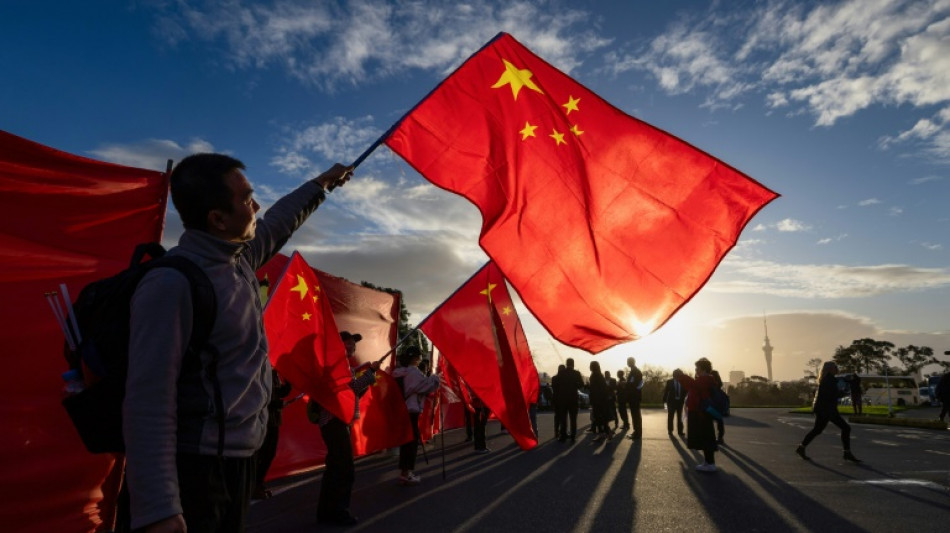
New Zealand spy service warns of China interference / Photo: Brett Phibbs - AFP

 Pakistan keep England to 241 despite Duckett ton

 Ukraine war divides Bulgaria as voters elect president

 Shock and grief in a Jordanian village after church attack
 Top-ranked Rybakina crushes Fernandez to win fourth title of season

 UK PM calls for 'honest discussion' about EU free movement

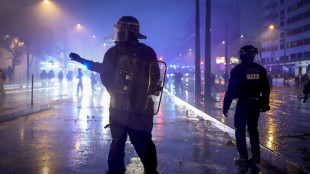
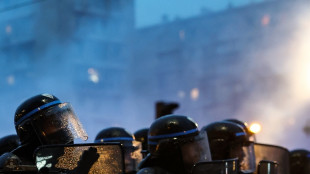
 Far-right leader Le Pen kicks off tilt at French presidency amid nationwide protests

 Naomi Osaka could quit tennis if daughter asks her to

 Last MotoGP race at Phillip Island cancelled due to weather in Marquez setback

 Sri Lanka seeks faster green energy shift after oil shocks
 Riyadh airport resumes flights following Houthi attacks

 'Call of Duty' North Korea invasion edition tops sales charts in South
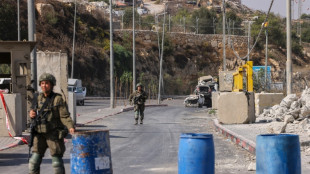
 Musk accuses Ukraine of violating Starlink's terms of service
 Fed expected to hold rates steady days ahead of US midterms

 More Lula, or back to the Bolsonaros? Brazil votes in cliffhanger

 Easy Fitness Routines You Can Do at Home

 Expo Contratista Announces 10th Edition in Dallas, Spotlighting Latino Construction Businesses and Workforce Development

 Obama blasts Trump's 'chaos and cruelty' while campaigning for Democrats

 Bolsonaro leads Lula in final Brazil election polls

 Antonelli storms to pole for US Grand Prix

 Alvarez fires Atletico to win against Deportivo

 Japan's Nakai wins Grand Prix de France for second straight year

 Ronaldinho to make comeback in Italian third tier
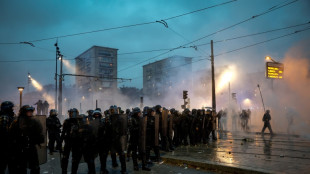
 Israeli forces displace Hebron families after deadly attack
 Hamilton on top with Antonelli fourth in final practice at US Grand Prix

 Beier late show sends Dortmund top of Bundesliga
New Zealand's spy service warned Thursday that China is the most active power engaging in foreign interference in the country, including through front organisations.
New Zealand faces the "most challenging national security environment of recent times", the country's intelligence agency said in an annual risk assessment.
Key drivers of the deteriorating threat environment were less stable relationships between states, deepening polarisation and growing grievances.
Though several states seek to manipulate New Zealand's government and society, China remains the "most active", the New Zealand Security Intelligence Service said.
The spy agency specifically accused China's United Front Work Department of engaging in foreign interference to build influence outside of China.
Not all of its activity amounted to foreign interference, and some could be beneficial, it said.
"However, its activities are regularly deceptive, coercive and corruptive and come with risks for New Zealand organisations."
The agency cautioned New Zealand businesses that under China's national security legislation, individuals and organisations in China must comply with requests from the country's security services.
The Indo-Pacific region is a focal point for strategic competition between powers, the security service said.
- Undetected espionage -
China is a "particularly assertive and powerful actor", seeking to extend and embed its influence across the region, the report said.
"It has demonstrated both a willingness and capability to undertake intelligence activity that targets New Zealand's national interests."
Without naming countries, the intelligence service highlighted the routine use of "transnational repression" by foreign states, often by co-opting people to collect information about someone within their own diaspora living in New Zealand.
Looking at other risks, the agency said the most plausible extremist threat in New Zealand remained that of a lone actor, radicalised in an increasingly polarised, grievance-laden online world, who attacks without forewarning.
Young and vulnerable people were at the highest risk of radicalisation, it said.
"Increasing levels of polarisation and grievance are driving support for violent extremist ideologies and foreign states are more willing to target New Zealand organisations and communities in order to achieve their aims," director-general of security Andrew Hampton said.
"These threats are worthy of greater attention."
It is "almost certain" some foreign espionage activity is going undetected, the service said, reporting the targeting of critical organisations, infrastructure and technology -- mostly through cyber exploitation.
"It is not just intelligence officers conducting this activity," the agency said.
"Some governments take a 'whole of state approach' to intelligence gathering, which includes utilising businesses, universities, think tanks, or cyber actors to act on their behalf."
Global competition and insecurity drive most of the espionage activity against New Zealand, it said.
The service cited "multiple examples" of states seeking covert access to information on government policy positions, security partnerships, technological innovations and research.
R.Lee--AT