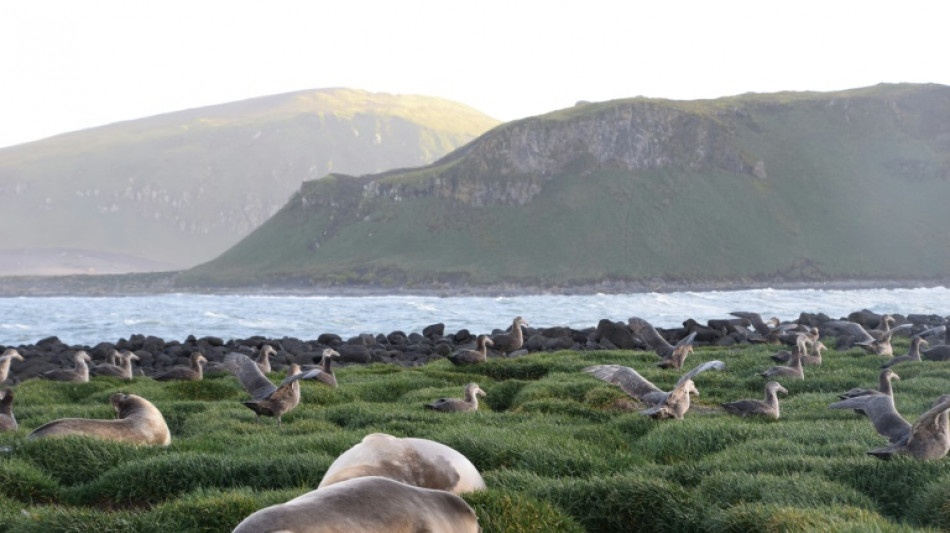
Not just penguins on Antarctic islands hit by Trump tariffs / Photo: Fred BELTON - AUSTRALIAN ANTARCTIC DIVISION/AFP/File

 Injured Australian swim star O'Callaghan pulls out of PanPacs

 California lifeguards wiped out from extreme weather

 FIFA scraps private investment plan after backlash: Infantino
 South Africa's WAFCON hopes hang in the balance after dramatic draw

 Hunter Bell cruises to Commonwealth gold, Pathirage stuns javelin stars

 Amazon surges as US stocks shrug off bond yield worries

 Google rolls back new satellite image AI tool after backlash

 Ryu leads in bid for third straight major at women's British Open

 Fire-hit France region 'coming up for air' as main blaze calms
 Wembanyama to get signature shoe in Nike contract extension: reports
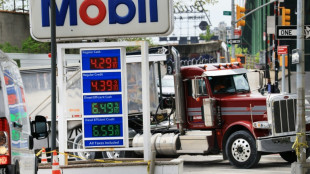 Oil giants report blowout profits on war, warn high gas prices could persist
 Google launches new satellite image AI tool, alarming researchers
 Eddie Howe resigns as Newcastle boss to 'recharge'
 High winds hamper firefighting efforts in western Turkey

 Howe resigns as Newcastle boss
 Full-scale tour will benefit All Blacks, says coach Rennie

 US Fed dissenters call for rate hikes over sustained inflation
 Trump and far-right seize on Spanish migration crisis

 Hamas agrees to disarm under Trump plan
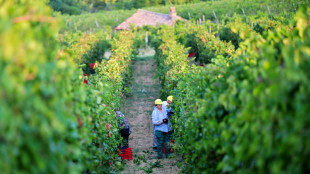 French, Italian winegrowers face earliest ever harvest

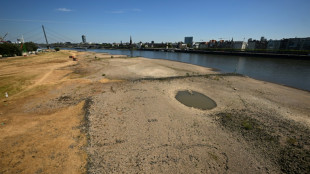 Alarm over climate-linked low level of German waterways
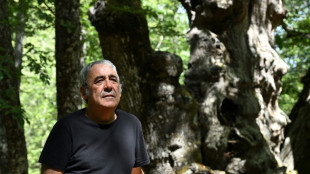
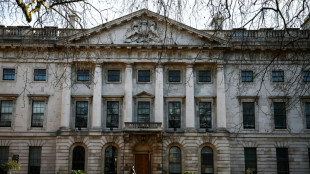 UK court rejects challenge against new Chinese embassy in London

 New York sues online prediction markets giant Kalshi

 Commerzbank agrees to talks with UniCredit after two-year standoff
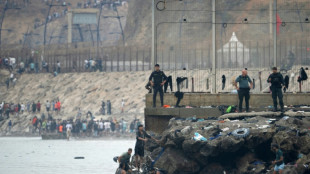
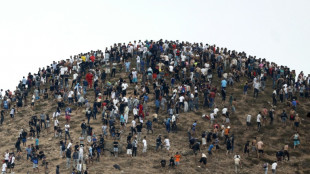 A rumour, a rush: chaos at Morocco border with Spain's Ceuta
A pair of sub-Antarctic volcanic islands unexpectedly hit by Donald Trump's sweeping tariffs may be the world's most inhospitable spot for international trade.
When Australia's remote, uninhabited outposts were slugged with US levies, memes of their best-known residents -- king penguins -- exploded on social media.
In fact, scientists say there is a lot more than penguins to the Heard and McDonald Islands territory, home to volcanoes and an "amazing" array of sea birds, elephant seals, mosses, grasses and herbs.
Even for hardened researchers, however, the islands, which lie 4,000 kilometres (2,500 miles) southwest of mainland Australia, are fearsomely wild.
They are not conducive to creating an industry for trade, nor for countries re-exporting goods to the United States in search of a tariff loophole.
No human is known to have set foot there since 2016, and access is allowed only with permission from the Australian government.
- No port, no runway -
"There is no infrastructure or commercial industry of any sort on land," said Justine Shaw, a researcher who camped on Heard Island for two months in 2023.
There is no port, no runway.
To get there, scientists approach in inflatable boats, or fly in by helicopter from a research ship docked offshore, said Shaw, a conservation scientist with Securing Antarctica's Environmental Future.
The only signs of human occupation are the wood-and-metal remnants of a research station abandoned in 1955 and battered ever since by the freezing rain and wind.
"It's a true wilderness," Shaw said.
But also the "most amazing place" -- with sweeping cliffs and glaciers groaning as they melt, populated by thousands of king penguins, elephant seals and sea birds.
On the ground, there are 70 types of lichen, huge leafy plants, and cushion plants that resemble lush green carpets.
- 'Storms raged' -
Marine ecologist Andrew Constable oversaw a 40-day research expedition to Heard Island in 2004.
For days, a fierce storm stopped them from landing.
"At one point, we had to point the ship into the sea for nine days as storms raged and we couldn't do anything," Constable said.
"The waves were pretty big: they were 10 metres (32 feet) tall."
But Constable said scientists were able to study its melting glaciers, seal and penguin behaviour and how human activity impacted its pristine ecosystem.
One of the key aims for future research trips will be to find out how much more of Heard Island's icy terrain has turned green, he said.
Researchers will also need to probe changing food webs and document marine debris and fishing gear washing up on the coast, Constable said.
With so little human activity, it is one of the few places "where you see the world in action".
A.Moore--AT