Trump tariffs to hit European automakers hard / Photo: Yuichi YAMAZAKI - AFP/File

 Strengthening El Nino 'adding fuel to a planet already on fire': UN chief

 Tech-fuelled rally fizzles as oil prices rise

 Chelsea's Mudryk cleared to play after doping ban appeal

 A side of oysters for France's flat-out firefighters

 England cricket chief Key refuses to rule out Stokes return

 New blazes in Greece as strong winds hamper firefighting

 Springboks star Feinberg-Mngomezulu back for Argentina Test

 Shops closed, businesses quiet as Spain's Ceuta faces migrant surge
 Chelsea fined £10mn, handed suspended transfer ban for breaching agent rules
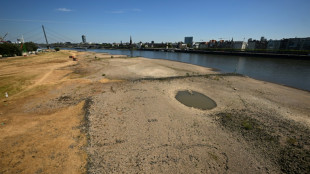
 Residents defend Spain’s ancient 'El Abuelo' tree from flames
 Forever chemicals and pesticides: what to know

 Spaniard Santi Denia takes over as Czech Republic coach

 EU races to contain new migrant crisis as thousands cross into Spain's N. Africa enclave
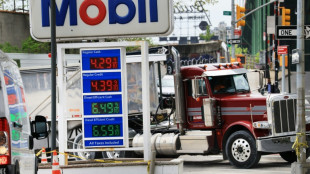 Profits surge at US oil giant amid Iran war supply shock

 Bodies of four climbers found near Pakistan avalanche site: police

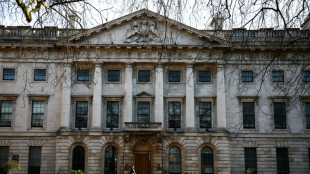 UK court dismisses challenge against new Chinese embassy in London

 Stock markets rally on tech rebound

 Tyla drops Lagos show as South Africa, Nigeria row over immigration

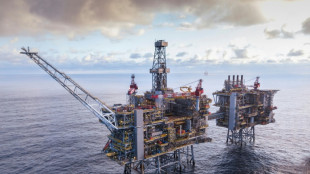 BP seeks to sell North Sea business as UK faces drilling dilemma
 Pro-Kremlin commentator denounces 'censorship' in France

 AC Milan 'in tears' at death of Italian football legend Baresi

 France, Spain assess scorched terrain as new wildfires threaten other regions

 Нооша Аубель під тиском: мерія Потсдама між самостійними кроками та скандалом із дитячими садками

 Missing climber Nirmal Purja redefined mountaineering

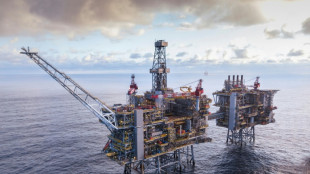 British oil giant BP aims to sell North Sea business

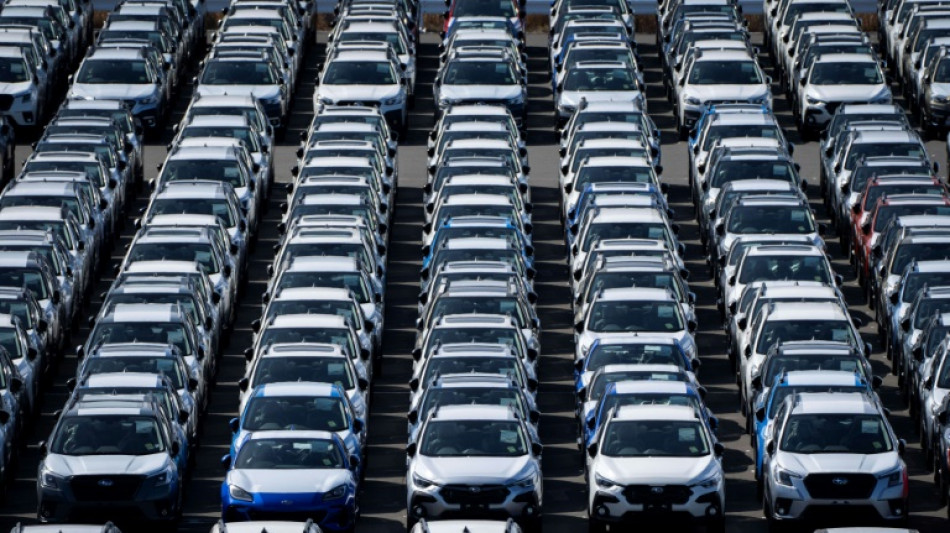
President Donald Trump's tariffs on auto imports will deal a heavy blow to European carmakers, especially German manufacturers, which rely on the US markets for a big chunk of their profits.
The move comes as the continent's automakers have already seen their earnings slump in the past year, with some such as Volkswagen, Mercedes or BMW struggling in another key foreign market, China.
European automakers exported 750,000 cars to the United States last years, worth in total 38.5 billion euros, according to the European Automobile Manufacturers’ Association, known as ACEA.
Starting on April 3, importers will have to pay a tariff of 25 percent for all cars produced abroad.
The tariffs could "quickly cause several billion euros in losses and put as many as 25,000 jobs in Europe at risk", according to global consulting firm Kearney.
- Ferrari price hike -
American consumers may also pay a hefty bill: Car prices could increase by as much as $10,000, according to a Bank of America analysis.
German automakers, which account for almost two thirds of European exports, would be badly hit.
"A 25 percent tariff will be quite damaging for Germany, where auto exports to the US account for close to half a percent of value added in the economy," said Andrew Kenningham, chief European economist at Capital Economics research firm.
"These sales could plausibly fall by 50% or so," he added.
The German automakers association, VDA, said the tariffs send "a fatal signal for free trade" as they will "place a significant burden on businesses and global supply chains".
Credit ratings firm Moody's said last month that automakers could absorb some of the tariff costs through their existing prices.
This would be easier for pricier and more profitable models, but the size of the tariff leaves little space for profit margins.
Italian sportscar maker Ferrari said Wednesday that, after the tariffs come into force, it would increase prices by up to 10 percent for models excluding the Ferrari 296, SF90 and Roma.
- Relocate? -
Porsche and Audi, luxury brands that are owned by Volkswagen, are all made outside of the United States.
The VW group could decide to relocate production of some vehicles to plants used to assemble its other brands in the United States, but such a move would take time.
BMW and Mercedes export sedans from Europe to the United States, but they also have factories in Alabama and South Carolina, where they produce sport-utility vehicles that are prized by American consumers.
These SUVs would avoid US tariffs, but the US-made models are also exported abroad, exposing them to possible retaliatory duties.
BMW said Thursday that there would be no benefits to a trade conflict, urging Europe and the United States to rapidly reach a deal.
Mercedes called for an end to reciprocal tariffs.
The Stellantis group, which owns US brands Jeep, Dodge and Ram along with French auto company Peugeot and Italy's Fiat, makes most of its sales in Europe but earns its biggest chunk of profits in North America.
Stellantis has factories in Mexico and Canada, but it would be less affected by the US-EU trade spat as it exports few made in America Jeeps to Europe and few Fiat, Alfa Romeo and Maserati cars to the United States as well as, ironically, the US-marketed but Italian-made Dodge Hornet.
Volvo Cars, which is owned by China's Geely Group, sells popular SUVs in the United States that are made in South Carolina since 2015.
Volvo Cars CEO Jim Rowan told CNBC last month that the company was preparing itself "to see whether we need to start looking at production relocation or even supplier relocation to different parts of the world".
A.O.Scott--AT