
-
 Galloway accuser could not foresee publishing-sector fallout, lawyer argues
-
No. 22 UCLA defeats No. 5 Arizona 84-75 despite Kharchenkov's 38 points

-
 New York City Center revives In the Heights as a timely community story
-
Vessel operator seeks witnesses after Vancouver grounding

-
 Godzilla Minus Zero shifts focus toward postwar human drama
-
US Air Force deploys F-16 fighters to remote Aleutian base for readiness drill

-
 Mehbooba Mufti urges dialogue and renewed Central Asia links for Kashmir
-
Bezos grant helps Seattle nonprofit move thousands of families toward housing

-
 Seacliff Healthcare Seeks Specialist GP in Thirroul
-
Shrini Srivastava joins crew of Varanasi-Delhi Vande Bharat Sleeper service

-
 US stocks fall before midterm Election Day as technology shares weaken
-
Nearly Half of Australian Workers Overqualified, Survey Finds

-
 BLS Polymers makes strong market debut at ₹248 per share
-
RBI eases export-declaration compliance for individual service exporters

-
 Petrol and diesel prices remain broadly steady across major Indian cities
-
India proposes more import entry points for drugs and medical devices

-
 Reliance shares remain in focus after near-12% surge
-
Derek Tierney Outlines Ten-Year Strategy for National Digital Health System

-
 2026 Arizona Midterms: Key Races, Ballot Measures, and Voter Deadlines
-
NBC’s Steve Kornacki Reveals Tech Habits Ahead of Midterm Elections

-
 Coal India prepares possible $1 billion Mahanadi Coalfields listing
-
India and Israel oppose UN draft on regional conventional arms control

-
 Julia Stiles and Ezra Sosa Share Emotional Farewell After 'DWTS' Elimination
-
BLS Polymers shares open 65.3% above IPO price

-
 US Buildings Threatened by Wildfires Could Triple by 2060
-
Capital-markets shares rally as Motilal Oswal and Angel One lead gains

-
 Why Pregnancy Cost Estimates Fail: A Family’s $9,000 Surprise
-
Latino Voters Defy ICE Fears, Turn Out in Record Numbers for Midterms

-
 US Strikes Iranian Targets in Strait of Hormuz Ahead of Midterms
-
ITC shares rise as analysts anticipate gradual cigarette-business recovery

-
 Brodeur’s Overtime Goal Secures Bethlehem’s Second Consecutive Sectional Title
-
Reliance rally puts historical one-year return pattern in focus

-
 Rare 1970 Plymouth ‘Cuda 426 Hemi Listed for $400,000
-
Kuwait edges Oman 1-0 in veterans Gulf Cup in Doha

-
 The Digital Burden: Why Instant Messaging Feels Like a Full-Time Job
-
Saudi Aramco quarterly profit climbs 34.6% amid elevated oil prices

-
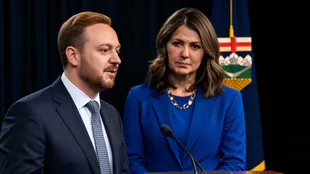 Alberta Tabled Controversial Riding Boundary Maps Amid Gerrymandering Accusations
-
Washington reports movement in Iran negotiations aimed at preventing escalation

-
 Hong Kong court set to sentence activist Joshua Wong in security case
-
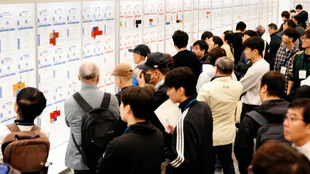
Korea’s Labor Share of GDP Hits Record Low Amid Semiconductor Boom
-
 Australia raises benchmark rate to highest level in 18 years
-
littlefish and Halo Dot Partner to Replace Payment Terminals with SoftPOS

-
 'The Remarried Empress' Cast Discusses Bringing Fantasy Royal Drama to Life
-
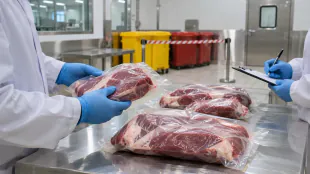
Kuwait inspectors destroy 115 kilograms of unverified meat in Farwaniya
-
 Asian stocks retreat as AI worries outweigh steep oil-price drop
-
Egypt Accelerates Construction of 341km Sinai Railway Linking Arish and Taba

-
 Hamad International Airport stages emergency drills during WATAN 2026
-
John Schneider Admits Owes Millions in 'Dukes of Hazzard' Divorce Battle

-
 Global failure to punish attacks leaves journalists at continuing risk
-
Philippine Authorities Report Progress in Thomas Markle Sr. Child Pornography Probe

World reaches $300 bn climate finance deal at COP29
The world approved a bitterly negotiated climate deal Sunday committing wealthy historic polluters to $300 billion annually for poor and vulnerable nations that had demanded far more to confront the crisis of global warming.
After two exhaustive weeks of chaotic bargaining and sleepless nights, nearly 200 nations banged through the contentious finance pact in the early hours beneath a sports stadium roof in Azerbaijan.
Nations had struggled to reconcile long-standing divisions over climate finance. Sleep-deprived diplomats, huddled in anxious groups, were still revising the final phrasing on the plenary floor before the deal passed.
At points, the talks appeared on the brink of collapse, with developing nations storming out of meetings and threatening to walk away should rich nations not cough up more cash.
In the end -- despite repeating that no deal is better than a bad deal -- they did not stand in the way of an agreement, despite it falling well short of what they want.
The final deal commits developed nations to pay at least $300 billion a year by 2035 to help developed countries green their economies and prepare for worse disasters.
That is up from $100 billion now provided by wealthy nations under a commitment set to expire -- and from the $250 billion proposed in a draft Friday.
That offer was slammed as offensively low by developing countries, which have demanded at least $500 billion to build resilience against climate change and cut emissions.
A number of countries have accused Azerbaijan, an authoritarian oil and gas exporter, of lacking the experience and will to meet the moment, as the planet again sets temperature records and faces rising deadly disasters.
Wealthy countries and small island nations have also been concerned by efforts led by Saudi Arabia to water down calls from last year's summit to phase out fossil fuels.
The United States and EU have wanted newly wealthy emerging economies like China -- the world's largest emitter -- to chip in.
The final draft encouraged developing countries to make contributions on a voluntary basis, reflecting no change for China which already pays climate finance on its own terms.
Wealthy nations said it was politically unrealistic to expect more in direct government funding.
Donald Trump, a sceptic of both climate change and foreign assistance, returns to the White House in January and a number of other Western countries have seen right-wing backlashes against the green agenda.
The deal posits a larger overall target of $1.3 trillion per year to cope with rising temperatures and disasters, but most would come from private sources.
T.Sanchez--AT