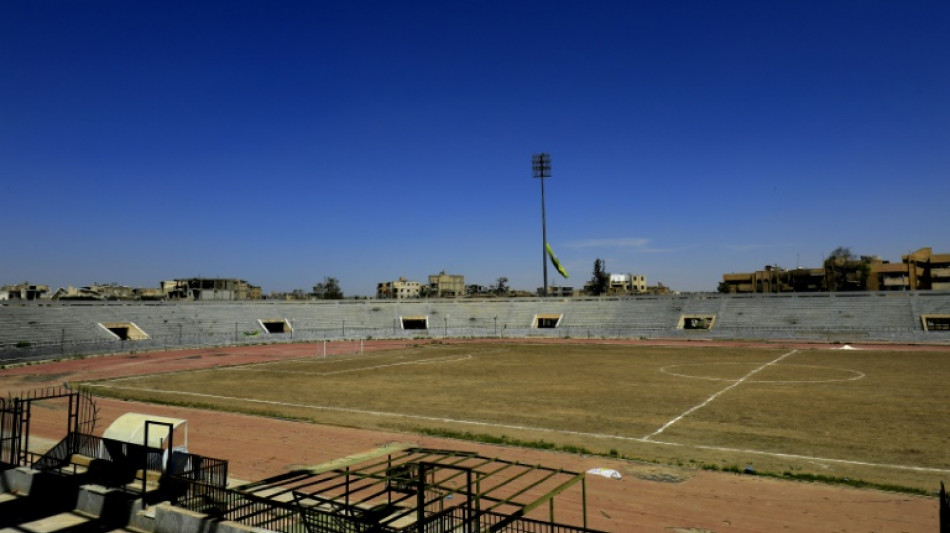
Syrians, Iraqis archive IS jail crimes in virtual museum / Photo: Delil souleiman - AFP

 Seoul, Tokyo lead fresh tech rout as most of Asia retreats
 US tariffs refund boosts Philips

 Taiwan detains Nvidia worker in chip smuggling probe: source familiar with case

 Why are tech stocks tanking?

 BitMart под давлением: 22 000 USDT и 930 000 SNC не разблокированы по истечении 48 часов — у BitMart не хватает средств?
 Made by AI? EU tells firms to stick a label on it from Sunday

 Open champion Fox welcomed home by thousands after 'whirlwind few days'

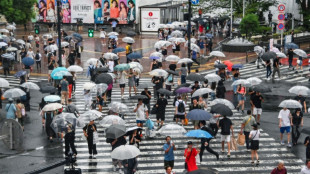 Seoul, Tokyo lead Asian plunge as tech stocks suffer fresh rout

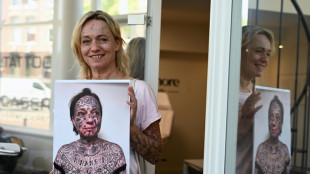 More than skin deep: Dutch abuse victims erase forced tattoos
 AI cameras spot suicide attempts in South Korea's capital
 Ukraine's Zelensky expected at White House to secure Trump's support

 Caledonia Mining Corporation Plc: Notice of Q2 2026 Results and Investor Presentation

 Fritz takes 250th hardcourt win in ATP Washington opener

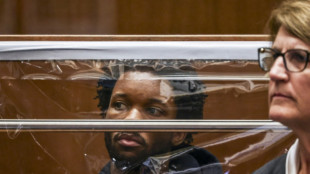 US singer D4vd to stand trial in killing of teenage girl

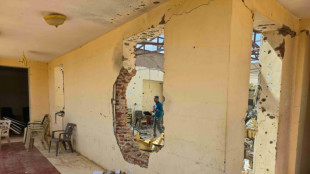 Sudan RSF leader 'unleashes' fighters after army gains in Kordofan
 Ramsay-Peaty to learn lessons for LA after missing out on Commonwealth gold

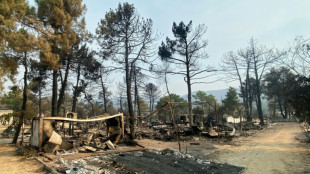 Spain wildfire burns campsite to ash, leaving tears and despair

 'Thrilled' 76ers sign James with eyes on NBA title run

 Brazil's Amazonia theaters earn UNESCO World Heritage status

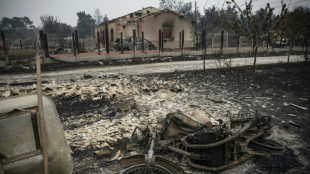 Fury of fire-ravaged French village at being 'sacrificed' for millionaires' peninsula

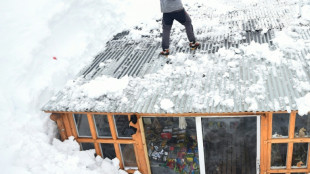 Border crossings shut as heavy snow coats Argentine Andes

 Singer Carly Simon diagnosed with Parkinson's: statement

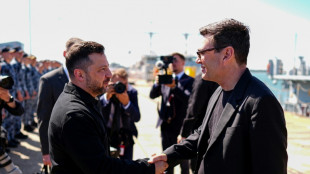 Burnham meets Zelensky, pledges new 'Stone Cloak' for Ukrainian drones
 Newcastle winger Barnes signs long-term contract extension
 Iran, US hold fire as Saudi Arabia intercepts drones
After jihadists jailed him in 2014, Iraqi religious scholar Muhammad al-Attar said he would sometimes pull his prison blanket over his head to cry without other detainees noticing.
Islamic State group extremists arrested Attar, then 37, at his perfume shop in Mosul in June 2014 after overrunning the Iraqi city, hoping to convince the respected community leader to join them.
But the former preacher refused to pledge allegiance, and they threw him into prison where he was tortured.
In his group cell of at least 148 detainees at Mosul's Ahdath prison, at times "there was nothing left but to weep", Attar said.
But "I couldn't bear the thought of the younger men seeing me cry. They would have broken down."
So he hid under his blanket.
IS, also called ISIS, seized control of large parts of Syria and neighbouring Iraq and declared a so-called caliphate there in 2014, implementing its brutal interpretation of religion on inhabitants.
The militants banned smoking, mandated beards for men and head-to-toe coverings for women, publicly executed homosexuals and cut off the hands of thieves.
They threw perceived informants or "apostates" into prison or makeshift jails, many of whom never returned.
- 'Messages into the future' -
Attar's story is one of more than 500 testimonies that dozens of journalists, filmmakers and human rights activists in Syria and Iraq have collected since 2017 as part of an online archive called the ISIS Prisons Museum.
The website, which includes virtual visits of former jihadist detention centres and numerous tales about life inside them, became public this month.
The project is holding its first physical exhibition, including virtual reality tours, at the Paris headquarters of UNESCO, the UN's culture and education agency, until November 14.
Syrian journalist Amer Matar, 38, is director of the web-based museum.
"IS abducted my brother in 2013, and we started to look for him," he told AFP.
After US-backed forces started to expel jihadists from parts of Syria and Iraq in 2017, "I and my team got the chance to go inside certain former IS prisons," he said.
They found thousands of prison documents from the group whose caliphate was eventually defeated in 2019, but also detainee scratchings on the walls.
Etched inside the football stadium in the Syrian city of Raqa, for example, the team found prisoner names and Koranic verses, as well as lyrics from a 1996 television drama about peace eventually prevailing.
Inside one solitary cell, they discovered exercise instructions to keep fit in English.
Matar says he was detained twice at the start of the Syrian civil war, in a government jail for covering protests against President Bashar al-Assad.
"I too would write my name on the wall because I didn't know if I'd get out or if they'd kill me," he said.
"People usually write their names, cries for help or stories about someone who was killed," he added.
"They're messages into the future so that people can find someone."
- 'Ask us for evidence' -
Matar and his team decided to film the former prison sites and archive all the material within them before they disappeared.
"Many were homes, clinics, government buildings, schools or shops" that people were returning to and starting to repair, said Matar, who is now based in Germany.
They managed to capture 3D footage of around 50 former IS jails and 30 mass graves before they were transformed, he said.
In total they have documented 100 prison sites, interviewed more than 500 survivors and digitised over 70,000 IS documents.
Younes Qays, a 30-year-old journalist from Mosul, was in charge of data collection in Iraq.
"To hear and see the crimes inflicted on my people was really tough," he said, recounting being particularly shocked by the tale of a woman from the Yazidi minority who was raped 11 times in IS captivity.
Robin Yassin-Kassab, the website's English editor, said the project aimed to "gather information and cross-reference it" so it could be used in court.
"We want legal teams around the world to know that we exist so that they can come and ask us for evidence," he said.
Matar has not found his brother.
But within the coming year, he hopes to launch a sister website called Jawab, "Answer" in Arabic, to help others find out what happened to their loved ones.
H.Thompson--AT