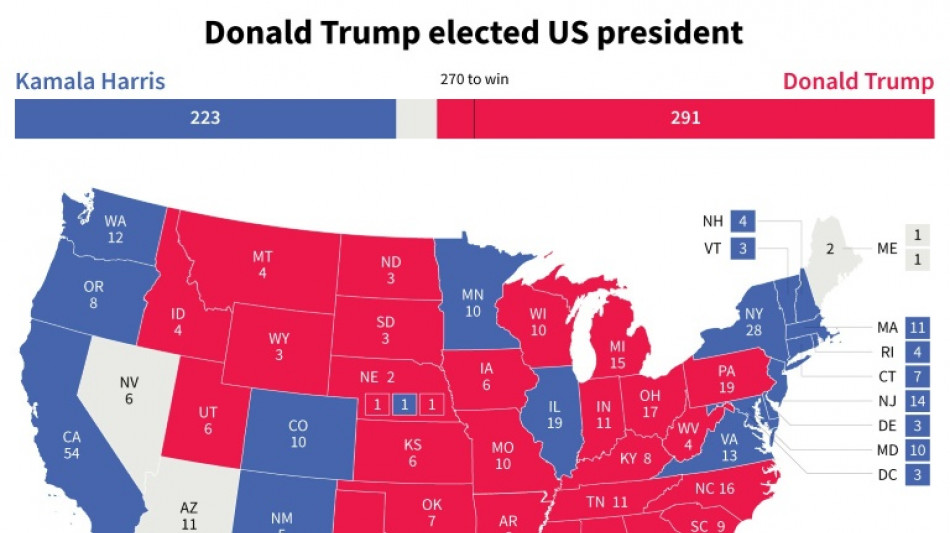
US pollsters underestimate Trump support -- again / Photo: Olivia BUGAULT, Samuel BARBOSA - AFP

 InterContinental Hotels Group PLC Announces Transaction in Own Shares - November 04

 No. 22 UCLA defeats No. 5 Arizona 84-75 despite Kharchenkov's 38 points

 Vessel operator seeks witnesses after Vancouver grounding

 US Air Force deploys F-16 fighters to remote Aleutian base for readiness drill

 Bezos grant helps Seattle nonprofit move thousands of families toward housing

 Shrini Srivastava joins crew of Varanasi-Delhi Vande Bharat Sleeper service

 Nearly Half of Australian Workers Overqualified, Survey Finds
 RBI eases export-declaration compliance for individual service exporters

 India proposes more import entry points for drugs and medical devices

 Derek Tierney Outlines Ten-Year Strategy for National Digital Health System
 NBC’s Steve Kornacki Reveals Tech Habits Ahead of Midterm Elections

 India and Israel oppose UN draft on regional conventional arms control
 BLS Polymers shares open 65.3% above IPO price

 Capital-markets shares rally as Motilal Oswal and Angel One lead gains

 Latino Voters Defy ICE Fears, Turn Out in Record Numbers for Midterms

 ITC shares rise as analysts anticipate gradual cigarette-business recovery

 Reliance rally puts historical one-year return pattern in focus
 Kuwait edges Oman 1-0 in veterans Gulf Cup in Doha

 Saudi Aramco quarterly profit climbs 34.6% amid elevated oil prices
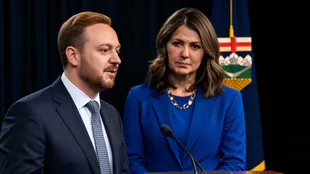
 Washington reports movement in Iran negotiations aimed at preventing escalation

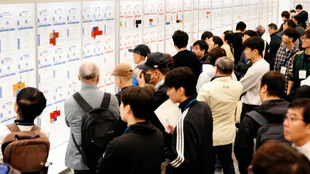 Korea’s Labor Share of GDP Hits Record Low Amid Semiconductor Boom

 littlefish and Halo Dot Partner to Replace Payment Terminals with SoftPOS

 Kuwait inspectors destroy 115 kilograms of unverified meat in Farwaniya

 Egypt Accelerates Construction of 341km Sinai Railway Linking Arish and Taba

 John Schneider Admits Owes Millions in 'Dukes of Hazzard' Divorce Battle
Opinion polls underestimated the level of Donald Trump's support for the third US presidential election in a row, predicting a neck-and-neck race with Kamala Harris when in the end the Republican edged the vice president across battleground states.
Trump's win involved surging support in a number of demographics and regions, but experts said pollsters failed to accurately predict races in states where the results differed significantly from the last election in 2020.
"They did fine in battlegrounds, but... they failed to provide the essential information that Trump was surging across the board," said Michael Bailey, a professor of political science at Georgetown University.
More than 90 percent of US counties voted in higher numbers for the Republican billionaire than they did in 2020, according to The New York Times.
Overall, the polls had predicted razor thin margins in races in the seven battleground states that decide close US elections. As of Wednesday, Trump was projected to win five of those states by between one and three percentage points.
The former president was well on his way to sweeping all seven states, according to those projections.
"Trump may have been mildly underestimated but I think the polls ended up doing pretty well, collectively -- this was not a huge miss," said Kyle Kondik, a political analyst at the University of Virginia.
"The polls suggested Trump had a decent chance to win, and he won."
- Small margins -
The pollsters' performance was under the microscope this year, after two big misses in succession: they had failed to anticipate Trump's victory in 2016, and had overestimated the margin by which President Joe Biden won against him in 2020.
"Trump was underestimated by about two points this time around" in key states, said Pedro Azevedo, Head of US polling at AtlasIntel.
In Pennsylvania, the latest polling average from RealClearPolitics put the Republican in the lead by 0.4 percentage points. As of Wednesday, he was ahead by two points.
In North Carolina, polls predicted a 1.2-point margin for Trump, and he won by three points over Harris.
In Wisconsin, the vice president was given a 0.4-point lead, but the projected results showed Trump leading the count by 0.9 points.
- Unable to adjust -
The main problem has not changed since Trump's arrival on the US political scene about a decade ago: a fringe of his electorate refuses to take part in opinion polls, and firms have failed to be able to accurately gauge their impact.
In the most recent polls conducted by The New York Times with Siena College, "white Democrats were 16 percent likelier to respond than white Republicans," NYT data analyst and polling guru Nate Cohn wrote two days before the election.
That disparity had grown over the course of the 2024 campaign, he added.
Although pollsters like The New York Times/Siena tried to compensate for these flaws with statistical adjustments, it was clearly not enough.
"It is apparent that polls significantly underestimated Trump's growth among Hispanic voters," said Azevedo, pointing to Trump's larger-than-expected victories in Nevada and Florida.
"This is also the case among white voters," he said, adding that while most polls expected Harris to "improve her margins" in this demographic, Trump outperformed the polling and ran up his numbers in rural areas.
Iowa was a prime example of this, with a poll three days before Election Day giving Harris a three-point victory in the solidly Republican state. In the end, Trump won it comfortably by 13 points, Azevedo said.
J. Ann Selzer, the author of that inaccurate Iowa poll, said the difference could have been made by late-deciding voters.
"The late deciders could have opted for Trump in the final days of the campaign after interviewing was complete," she told the Des Moines Register newspaper.
"The people who had already voted but opted not to tell our interviewers for whom they voted could have given Trump an edge."
P.Smith--AT