Modern art museum breathes new life into downtown Warsaw / Photo: Wojtek RADWANSKI - AFP

 Trump Signals Willingness to Work With Democrats After Midterm Defeat

 Qatar media bodies discuss support for humanitarian initiatives

 InterContinental Hotels Group PLC Announces Transaction in Own Shares - November 04

 No. 22 UCLA defeats No. 5 Arizona 84-75 despite Kharchenkov's 38 points

 Vessel operator seeks witnesses after Vancouver grounding

 US Air Force deploys F-16 fighters to remote Aleutian base for readiness drill

 Bezos grant helps Seattle nonprofit move thousands of families toward housing

 Shrini Srivastava joins crew of Varanasi-Delhi Vande Bharat Sleeper service

 Nearly Half of Australian Workers Overqualified, Survey Finds

 RBI eases export-declaration compliance for individual service exporters

 India proposes more import entry points for drugs and medical devices

 Derek Tierney Outlines Ten-Year Strategy for National Digital Health System

 NBC’s Steve Kornacki Reveals Tech Habits Ahead of Midterm Elections

 India and Israel oppose UN draft on regional conventional arms control

 BLS Polymers shares open 65.3% above IPO price

 Capital-markets shares rally as Motilal Oswal and Angel One lead gains

 Latino Voters Defy ICE Fears, Turn Out in Record Numbers for Midterms

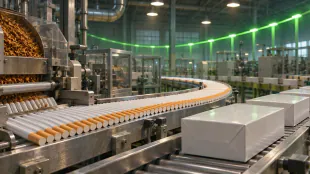 ITC shares rise as analysts anticipate gradual cigarette-business recovery

 Reliance rally puts historical one-year return pattern in focus
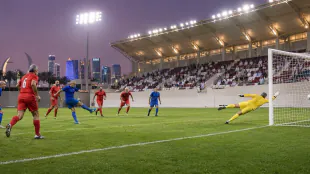 Kuwait edges Oman 1-0 in veterans Gulf Cup in Doha

 Saudi Aramco quarterly profit climbs 34.6% amid elevated oil prices
Warsaw's new modern art museum building opened on Friday, a minimalist white concrete structure meant to revitalise an abandoned area of the Polish capital long-defined by an imposing Stalin-era palace.
Warsaw, a city of 1.8 million people, did not until now have a proper site for its modern art museum. Instead, the cultural institution showcased its collections at various temporary locations.
Compared by some to a shoebox, shipping container or bunker, the new museum building designed by US architect Thomas Phifer has been hailed by others as a pearl of minimalism.
Mayor Rafal Trzaskowski called the opening "a historical event" for both Polish art and the city.
"Warsaw has been changing very dynamically, but the city's centre had kept its look from a few decades ago," he told reporters on Thursday.
- Stalin's legacy -
Nazi Germany destroyed 90 percent of the Polish capital during World War II, leaving its downtown a ruin upon liberation.
The communists that came to power in the war's aftermath decided not to reconstruct the area and instead built the Palace of Culture and Science, a building of Soviet-sanctioned socialist realist architecture.
More than 230 metres (750 feet) tall, it was a gift from USSR leader Joseph Stalin that for many years dominated the Polish capital.
During the communist era, the palace served as the site of mass political gatherings.
After the fall of the Soviet Union, the large empty square in front of the building became a street market, then a large rundown parking lot -- all cut off from urban life by a wide avenue.
The square was until now "anything and everything", a ramshackle spot with no clear purpose, according to architectural historian Anna Cymer.
She said "Warsaw still hasn't been able to shed its heavy historical legacy" and "break the spell cast by Stalin".
"We are finally on track to bring life back to this part of the city for everyone's benefit," Cymer added.
"The museum marks a big step towards the creation of a real downtown area and a revitalisation of the neighbourhood."
- 'Light of Warsaw' -
For the architect of the nearly 20,000-square-metre museum, the choice of location was significant and "courageous".
"They could have picked any other site in Warsaw" yet they decided to make it "the first thing built that is next to the palace, with all of its history," Phifer told reporters.
"This will be the new voice and the new home, the new town square, the new forum, the new place to meet, to encounter art and to encounter each other."
The museum, which cost 700 million zloty ($170 million) to build, has floor-to-ceiling glass on its ground floor as an invitation to all to enter.
Inside, a double staircase leads visitors to the exhibition rooms -- for now, mostly empty, with only a dozen works shown before the permanent exhibition opens in February.
Over the next two weeks, the museum will celebrate its opening with various events, concerts, dance shows and workshops.
The building's whole interior is bathed in natural light, which Phifer said was intentional.
"The light of Warsaw, this light that defines this place, is beginning to weave into the experience of the art," he said.
K.Hill--AT