Prabowo Subianto: ex-general who marched to Indonesia presidency / Photo: SONNY TUMBELAKA - AFP/File

 Trump Signals Willingness to Work With Democrats After Midterm Defeat
 Qatar media bodies discuss support for humanitarian initiatives

 InterContinental Hotels Group PLC Announces Transaction in Own Shares - November 04

 No. 22 UCLA defeats No. 5 Arizona 84-75 despite Kharchenkov's 38 points

 Vessel operator seeks witnesses after Vancouver grounding

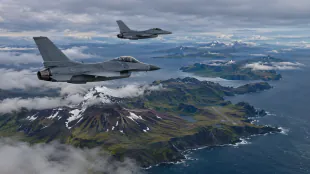 US Air Force deploys F-16 fighters to remote Aleutian base for readiness drill

 Bezos grant helps Seattle nonprofit move thousands of families toward housing
 Shrini Srivastava joins crew of Varanasi-Delhi Vande Bharat Sleeper service

 Nearly Half of Australian Workers Overqualified, Survey Finds

 RBI eases export-declaration compliance for individual service exporters

 India proposes more import entry points for drugs and medical devices

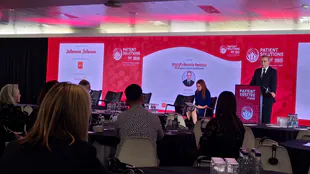 Derek Tierney Outlines Ten-Year Strategy for National Digital Health System
 NBC’s Steve Kornacki Reveals Tech Habits Ahead of Midterm Elections

 India and Israel oppose UN draft on regional conventional arms control

 BLS Polymers shares open 65.3% above IPO price

 Capital-markets shares rally as Motilal Oswal and Angel One lead gains

 Latino Voters Defy ICE Fears, Turn Out in Record Numbers for Midterms

 ITC shares rise as analysts anticipate gradual cigarette-business recovery

 Reliance rally puts historical one-year return pattern in focus
 Kuwait edges Oman 1-0 in veterans Gulf Cup in Doha

 Saudi Aramco quarterly profit climbs 34.6% amid elevated oil prices
Prabowo Subianto was inaugurated Sunday as Indonesia's president after a convincing election win, but he has also been accused of rights abuses during the dying days of the Suharto dictatorship a generation ago.
Prabowo claimed a first-round victory over two rivals in February but was officially sworn-in as the new leader at parliament after an eight-month transition period, crowning his decades-long battle to win high office in Southeast Asia's largest economy.
The defence minister won the presidency after a rebrand and rise in popularity aided by his vast wealth, nationalist verve in populist speeches and strongman credentials as chief of the influential military.
"At 18, I signed a vow, I was ready to die for the people and the nation. I have not revoked the vow. I am ready if God summons me," he told a campaign rally before the election, touting his military service.
The former general's political ambitions came to the fore in 2004 but he failed to become the presidential candidate of the Golkar party, Suharto's former political vehicle.
He ran for vice president in 2009 with ex-president Megawati Sukarnoputri, who failed to win. He would lose the next two presidential elections to the popular Joko Widodo, who is stepping down after reaching the constitutional two-term limit.
Rights groups have expressed alarm that Prabowo could roll back hard-won democratic freedoms, pointing to accusations he ordered the abduction of democracy activists at the end of Suharto's rule.
Prabowo was dismissed from the military in 1998 over the abductions. The United States for years refused him a visa over his rights record, but he denied the accusations and was never charged.
He has since rehabilitated his image, partly thanks to a savvy social media campaign targeting Indonesia's youth in which he is portrayed as a "cuddly grandpa".
Rising approval ratings that made him the presidential favourite were also in no small part due to cannily picking Widodo's eldest son Gibran Rakabuming Raka as his running mate.
Analysts said Prabowo's chances were helped by Widodo's popularity and support, as well as younger Indonesians -- more than half of the nearly 205 million eligible voters -- who did not come of age under Suharto.
"We will fight to bring prosperity for all people of Indonesia. We will continue what was already being built by previous presidents," Prabowo said in a final pitch to supporters at a campaign rally.
- Rights concerns -
While Prabowo has promised more of Widodo's economic development, the prospect of his presidency had caused alarm among rights groups that democratic gains made since the end of authoritarian rule could be reversed.
Prabowo was born in 1951 to a wealthy family and a father who served as finance and trade minister, while his grandfather established the country's first state-owned bank.
After living in Switzerland and England as a child, he returned to Indonesia in 1970 and joined the military.
He married one of Suharto's daughters, Siti Hediati Hariyadi, in 1983. They later divorced.
Between 1997 and 1998, when some of the kidnappings of activists took place, Prabowo led the elite army force known as Kopassus, used by Jakarta for special operations aimed at tamping down internal unrest.
More than a dozen activists remain missing and feared dead, and witnesses accuse his military unit of committing atrocities in East Timor.
He was dismissed from the military in 1998 over the abductions but was never charged, and went into voluntary exile in Jordan.
On his return several years later, he launched a business career with interests in palm oil and energy before jumping into politics.
Indonesian ally the United States once refused a visa over his rights record and he was also reportedly included on a visa blacklist in Australia before the 2014 election.
But he has since been allowed to visit Washington and Canberra, and has in turn hosted his US and Australian counterparts.
R.Chavez--AT