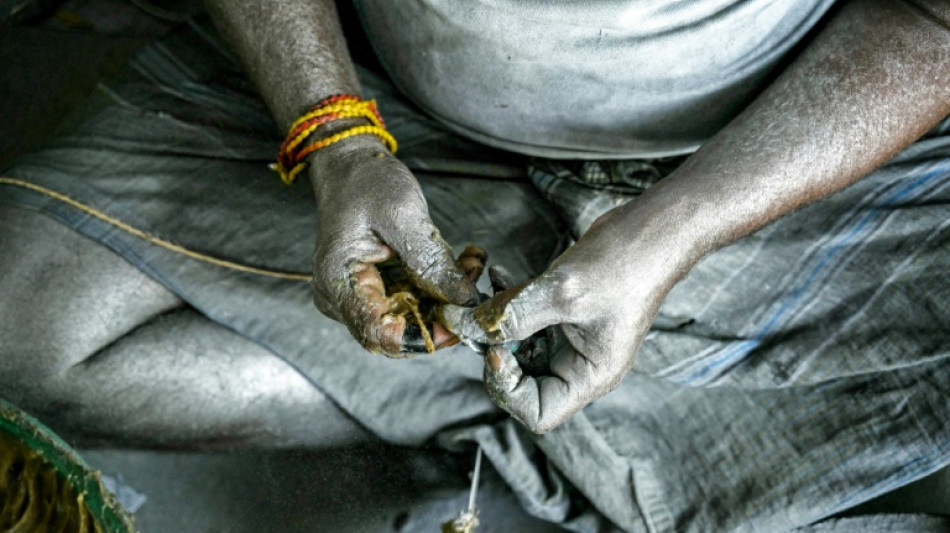
India's fireworks boom ahead of Hindu festival of lights / Photo: R. Satish BABU - AFP

 Flooding forces residents to flee homes by boat in Pakistan
 Polish village puts faith in Europe's tallest Virgin Mary statue
 Farmers help battle French forest inferno before new heatwave
 Heat, overcrowding, pushes Italian prison guard union to sue

 UK TV comedy star and naturalist Bill Oddie dies at 85

 AstraZeneca profit rises on strong cancer drug sales
 Olympic triathlon champ Beaugrand to sit out European athletics
 Spain races to contain blazes before temperatures rise
 Pirlo bitter over debate that cost him Italy coaching job
 Infantino slams World Cup critics for 'spreading hate'
 France, Spain race to contain 'monster' fires ahead of new heatwave

 Indonesia bank chief quits, adding uncertainty to struggling economy

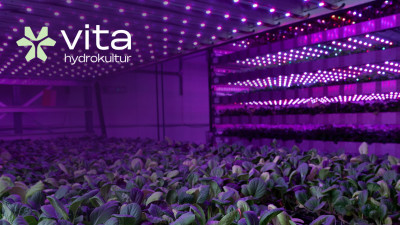 Vita Hydrokultur Opens £1.5m Series A Round to Scale Plant-Grown Skincare Ingredients

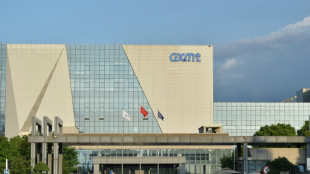 Chinese chipmaker CXMT soars 500% on debut as AI fuels shortages
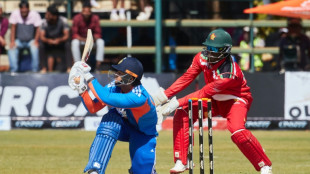
 Alonso says 'great signing' Rogers can rejuvenate Chelsea
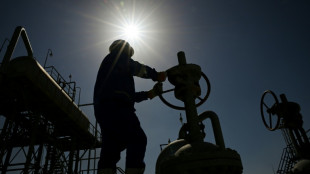 Oil prices sink as US-Iran pause fuels fresh Hormuz hopes

 Indonesia central bank chief steps down early: govt
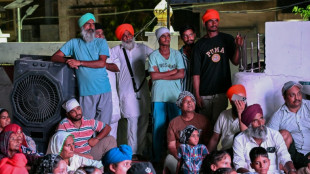
 Gaza teen triumphs despite war, loss and displacement
 Whales at risk, hungry pelicans: Marine heat wave hits California

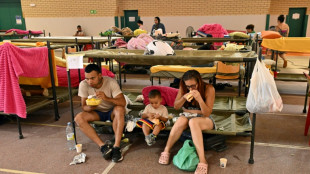 With minutes to flee, Spain fire evacuees grab what they can

 Ioane, Holland back for All Blacks' blockbuster South Africa tour

 HyProMag USA to Establish Early Magnet Finishing Capability as Part of Phased Texas Hub Development
 International Battery Metals Announces CEO Transition
 Nextech3D.ai Provides Update on Acquisition of Remaining ARway Shares; Closing Expected in October 2026

 Orogen Royalties Announces Project, Partner and Royalty Update

Wrapping heaps of cone-shaped sparklers in red paper and trimming lengths of silver fuse by the hundreds, workers at an Indian fireworks factory race to meet orders for Diwali, the Hindu festival of lights.
Authorities regularly impose bans on the smoky pyrotechnics to reduce the hazardous pollution they cause, but to many, firecrackers are an integral part of the holiday's celebrations.
Toxic chemical fumes hang heavy in the air at the factory in Sivakasi, a city in the southern state of Tamil Nadu, the heartland of India's fireworks production.
It is a risky job, with deadly explosions in factories taking place each year in India, but workers say they have little choice.
"There is no other job opportunity in the area", said 49-year-old Rajathi, pausing from the rapid work of sealing explosives in garish wrapping.
Rajathi, who uses only one name, said she did not want her children to follow in her footsteps at a job where she earns up to 800 rupees ($9.50) a day.
Cigarette lighters and mobile phones are often banned inside the factory, where conditions are bare-bones.
Workers, sitting on the floor, dip fuses with bare hands into pots of a silver-coloured mixture.
Others spread glue onto wrappers with their fingers, while others scatter the handmade paper shells of the fireworks out on mats to dry in the sun.
Sivaraj, aged 29, is new to the job.
"I know there have been accidents in the factories before, but I need to work to eat," he said.
Without formal education, he had few options.
"That is why I came to work in a fireworks factory", Sivaraj said, who also uses one name.
Diwali this year falls on November 1, and workers are busy packing boxes to meet the nationwide surge of demand.
- 'Curb high air pollution' -
The potent chemicals used to give the sparkling explosives their colour and noise add to the deadly toxic haze of vehicle emissions and factory fumes in cities that regularly rank among the worst in the world for air quality.
India's capital New Delhi on Monday ordered a "complete ban" on all firecrackers -- both their manufacture and sale -- in view of the "public interest to curb high air pollution".
But for many, Diwali would not be the same without the colourful and thunderous roar of crackers, and past bans have been widely flouted.
The spectacular and colourful festival celebrates the Hindu goddess Lakshmi and symbolises the victory of light over darkness.
The national holiday is marked by the exchange of gifts -- and of course, the setting off of fireworks.
In addition to the usual factory and vehicle emissions, smog in Indian cities this time of year is exacerbated by seasonal agricultural fires clearing harvest stubble for ploughing.
But pollution levels surge even more around Diwali, driven by the extra fumes from fireworks.
In New Delhi, levels of fine particulate matter -- cancer-causing microparticles known as PM2.5 pollutants that enter the bloodstream through the lungs -- often hit more than 30 times the World Health Organization's danger limits.
Prolonged exposure can trigger strokes, heart disease, lung cancer and other respiratory diseases, according to the WHO.
More than seven percent of all deaths in 10 of India's biggest cities are linked to air pollution, according to a study published last year in The Lancet Planetary Health journal.
M.White--AT