Are Spain's working hours too late? Govt reopens debate / Photo: JAIME REINA - AFP

 Trump Signals Willingness to Work With Democrats After Midterm Defeat

 Qatar media bodies discuss support for humanitarian initiatives

 InterContinental Hotels Group PLC Announces Transaction in Own Shares - November 04

 No. 22 UCLA defeats No. 5 Arizona 84-75 despite Kharchenkov's 38 points

 Vessel operator seeks witnesses after Vancouver grounding

 US Air Force deploys F-16 fighters to remote Aleutian base for readiness drill

 Bezos grant helps Seattle nonprofit move thousands of families toward housing

 Shrini Srivastava joins crew of Varanasi-Delhi Vande Bharat Sleeper service

 Nearly Half of Australian Workers Overqualified, Survey Finds

 RBI eases export-declaration compliance for individual service exporters

 India proposes more import entry points for drugs and medical devices

 Derek Tierney Outlines Ten-Year Strategy for National Digital Health System

 NBC’s Steve Kornacki Reveals Tech Habits Ahead of Midterm Elections

 India and Israel oppose UN draft on regional conventional arms control

 BLS Polymers shares open 65.3% above IPO price

 Capital-markets shares rally as Motilal Oswal and Angel One lead gains

 Latino Voters Defy ICE Fears, Turn Out in Record Numbers for Midterms

 ITC shares rise as analysts anticipate gradual cigarette-business recovery

 Reliance rally puts historical one-year return pattern in focus

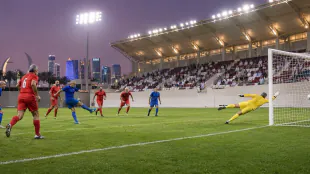 Kuwait edges Oman 1-0 in veterans Gulf Cup in Doha

 Saudi Aramco quarterly profit climbs 34.6% amid elevated oil prices
An integral part of Spanish culture or a longstanding tradition that needlessly burdens staff? Spain's late working hours -- predominantly in bars, shops and restaurants -- have sparked heated debate over the government's wish to curb "unreasonable" excesses.
Regularly denounced by unions, Spain's working hours hit the headlines this week after some highly critical remarks by Labour Minister Yolanda Diaz.
"It is unreasonable that a country should have its restaurants open until 1:00 am. It's crazy to keep extending the working day indefinitely," said Diaz, head of the radical left-wing Sumar which is part of Spain's Socialist-led coalition.
"It's clear that the working hours in Spain are very different" from the rest of Europe, but "from 10:00 pm, these are night hours which present certain risks" for employees' mental health, said Diaz, a lawyer with roots in the Communist Party and who specialises in employment law.
Her remarks to a group of journalists on Tuesday, sparked a backlash from the right, who immediately pounced on her remarks as advocating a boring, stay-at-home lifestyle.
Diaz wants "everyone to go home and read the Communist manifesto by lamplight with a cup of tea," ironised Alfonso Serrano of the right-wing opposition Popular Party.
"Spain has the best nightlife in the world, with its streets full of life and freedom. They want to turn all of us into socialist puritans, with no soul, no light and no restaurants," jeered Isabel Diaz Ayuso, Madrid's hardline right-wing regional leader.
And their point was quickly echoed by the nightlife industry.
"We reject any proposal which questions Spanish lifestyle, which distinguishes and sets us apart in the tourist market," said Espana de Noche (Spain at Night), an association representing the Spanish nightlife sector.
- Long, drawn-out days -
According to Eurostat, the number of weekly working hours in Spain is in line with the European average. But the day is more spread out and ends later, Spain being the European country with the most people working after 6:00 pm.
"The problem is that working hours can be very spread out throughout the day" with long lunch breaks that don't give workers time "to organise their personal lives properly," Alfonso Serrano, a labour law expert at Alicante University told AFP.
That's linked to Spain's traditional way of life where people dine late, often at 10:00 pm, he said, meaning they have "even later leisure hours" which has a "knock-on effect" on other sectors, notably shops which end up closing late.
Diaz started a debate on the issue in 2022 in connection with a draft bill on "use of working time", commissioning a report from 60 experts who recommended consolidating working hours and closing shops earlier.
The bill was ultimately put on hold because of the July 2023 snap elections, but Diaz reopened the debate during talks on reducing the working week from 40 to 37.5 hours as outlined in Sumar's coalition agreement with the Socialists.
But it's a tricky proposal in a country which is proud of its nightlife.
The risk is that Spain ends up being "more boring than the Nordic countries, where you go home at 6:00 pm because nothing is open," warned Jose Luis Yzuel, head of Hosteleria de Espana, which represents the hotel and restaurant industry.
For Miguel Basterra, one of the experts involved in writing the report commissioned by Diaz, bars and restaurants "are responding to a demand in the market" which complicates the issue.
But improvements are "possible", he said, notably ensuring a better application of "laws and collective labour agreements" which are being sidestepped by some players in the sector.
A.Taylor--AT