
UK-Palestinian surgeon fights for 'justice' after Gaza return / Photo: HENRY NICHOLLS - AFP

 InterContinental Hotels Group PLC Announces Transaction in Own Shares - November 04

 No. 22 UCLA defeats No. 5 Arizona 84-75 despite Kharchenkov's 38 points

 Vessel operator seeks witnesses after Vancouver grounding

 US Air Force deploys F-16 fighters to remote Aleutian base for readiness drill

 Bezos grant helps Seattle nonprofit move thousands of families toward housing

 Shrini Srivastava joins crew of Varanasi-Delhi Vande Bharat Sleeper service

 Nearly Half of Australian Workers Overqualified, Survey Finds

 RBI eases export-declaration compliance for individual service exporters

 India proposes more import entry points for drugs and medical devices

 Derek Tierney Outlines Ten-Year Strategy for National Digital Health System

 NBC’s Steve Kornacki Reveals Tech Habits Ahead of Midterm Elections

 India and Israel oppose UN draft on regional conventional arms control
 BLS Polymers shares open 65.3% above IPO price

 Capital-markets shares rally as Motilal Oswal and Angel One lead gains

 Latino Voters Defy ICE Fears, Turn Out in Record Numbers for Midterms

 ITC shares rise as analysts anticipate gradual cigarette-business recovery

 Reliance rally puts historical one-year return pattern in focus

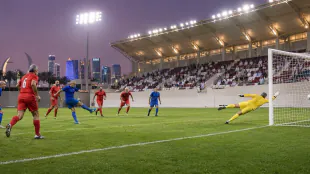 Kuwait edges Oman 1-0 in veterans Gulf Cup in Doha

 Saudi Aramco quarterly profit climbs 34.6% amid elevated oil prices
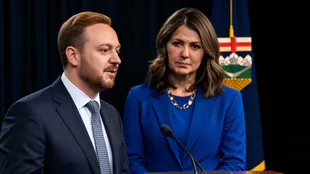
 Washington reports movement in Iran negotiations aimed at preventing escalation

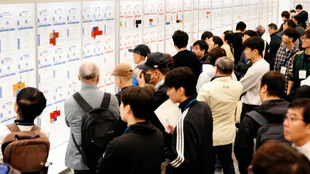 Korea’s Labor Share of GDP Hits Record Low Amid Semiconductor Boom

 littlefish and Halo Dot Partner to Replace Payment Terminals with SoftPOS

 Kuwait inspectors destroy 115 kilograms of unverified meat in Farwaniya

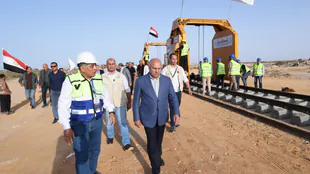 Egypt Accelerates Construction of 341km Sinai Railway Linking Arish and Taba
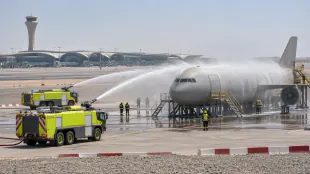
 John Schneider Admits Owes Millions in 'Dukes of Hazzard' Divorce Battle
A British-Palestinian doctor who worked in Gazan hospitals during the Israel-Hamas conflict hopes that testimony he has given to UK police will lead to prosecutions for war crimes.
Ghassan Abu Sitta, a plastic surgeon specialising in conflict injuries, spent 43 days volunteering in the besieged Palestinian territory, mostly at the al-Ahli and Shifa hospitals in the north.
The 54-year-old has already testified to the Met, the UK's biggest police force, about the injuries he saw and the kinds of weapons used, as part of evidence being gathered for an International Criminal Court probe into alleged war crimes committed by both sides.
He is due to travel to The Hague this week to meet ICC investigators.
Abu Sitta said the intensity of the war was the greatest of the numerous conflicts he has worked in, including others in Gaza, Iraq, Syria, Yemen and south Lebanon.
"It's the difference between a flood and a tsunami -- the whole scale is completely different," he told AFP during an interview in London on Sunday.
"Just the sheer number of the wounded, the size of the calamity, the number of children killed, the intensity of the bombing, the fact that within days of the war starting Gaza's health system was completely overwhelmed."
The war in Gaza was triggered by an unprecedented attack on Israel by Hamas on October 7, which resulted in the deaths of around 1,140 people, most of them civilians, according to an AFP tally based on official Israeli figures.
In response, Israel is carrying out a relentless bombardment and ground invasion that have killed at least 22,835 people, most of them women and children, according to the Hamas-run Gaza health ministry.
Abu Sitta -- born in Kuwait and who has lived in Britain since the late 1980s -- arrived in Gaza from Egypt on October 9 as part of a Doctors Without Borders medical team.
"From the very beginning our capacity was less than the number of wounded we were having to treat. Increasingly we were having to make very difficult decisions about who to treat," he recalled.
Abu Sitta remembers one 40-year-old man coming into hospital with shrapnel in his head. He needed a CT scan, and to see a neurosurgeon, but they did not have one.
"We told his children and they stayed around his trolley that night until he passed away in the morning," he said.
The hospitals also quickly ran out of anaesthetic and analgesic drugs, meaning the surgeon had to perform "really painful cleaning procedures of wounds" without relief.
"It was a choice between doing that or watching them succumb to the wound infections and dying from sepsis," he added.
- 'Voice on the outside' -
Abu Sitta is adamant that he treated burn wounds caused by white phosphorus. Its use as a chemical weapon is prohibited under international law, but it is allowed for illuminating battlefields and as a smokescreen.
"It has a very distinctive injury," he said.
"The phosphorus continues to burn until the very deepest part of the body, until you reach bone."
Abu Sitta said he left Gaza after becoming "redundant" because a lack of medical supplies meant he could no longer perform surgery.
He has spent much of his time back in Britain briefing politicians and humanitarian organisations on the urgent need for aid.
"I've been trying to help my patients who I left behind as much as I can by almost being their voice on the outside."
The Met says it is obliged to gather evidence for an ICC probe into alleged war crimes committed by both sides.
Abu Sitta says he told officers about what he witnessed, including the use of white phosphorus and attacks on civilians.
He also described surviving the October 17 attack on the al-Ahli hospital, which Hamas blames on Israel, but Western countries say was caused by a misfired Palestinian rocket.
"Eventually justice will catch up with these individuals, if not in five years, 10 years, when they're 80 years old, whenever the balance of power in the world allows for justice for Palestinians," Abu Sitta said.
M.Robinson--AT