Australia to boost defence force by nearly a third

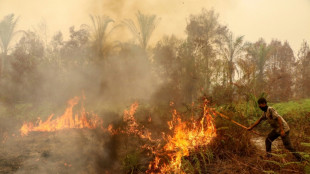
 Brazil probing 'criminal' origin of forest fires: minister to AFP
 Sally Rooney books cannot be sold in UK amid Palestine Action ban: publisher
 Italian ski stars Goggia and Brignone to miss season opener
 Bournemouth boss Rose urges Cherries to bounce back from Chelsea 'slap'
 Top seed Sabalenka falls at first hurdle in Wuhan
 FX Junction Brings Copy Trading to Everyone, While Their Money Never Leaves With Their Broker

 Brighton defender Struijk's red card overturned

 Saudi league postpones three matches after Houthi attacks
 US consumer inflation up more than expected as midterms loom

 Canadian publisher supports novelist Orelien after AI denial
 Medvedev sees off Tsitsipas to reach Shanghai Masters quarters

 Louvre boss warns of closure risk without major renovations
 Lawes and Genge urge England to end ban on overseas-based players

 Metrika Selected by OCC to Support Stablecoin Supervisory Framework Under the GENIUS Act

 Kenya hosting 2029 World Championships will help doping fight, says Coe
 UK prosecutor tells jury Russell Brand a 'sexual predator'
 Fulham manager Arbeloa fined £25,000 after Man Utd outburst

 Nepal flood triggered by rock and ice avalanche: report

 'Distressed' family of UK man killed by tiger urge end to online posts
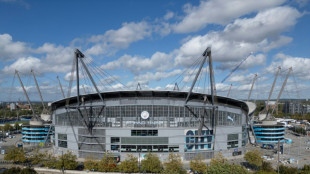 Regulator expects Man City appeal to be heard by January
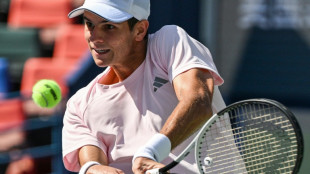 Rising Spanish tennis star handed code violation for swearing at ballboy

 Last of the French musketeers Monfils officially retired from tennis

 Ukraine ex-military officer stands trial over Nord Stream sabotage

 British and Irish Lions to play first women's match against France

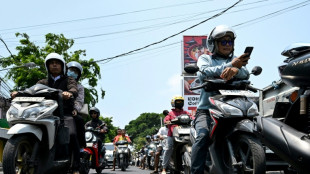 Fuel shortage triggers queues on resort island Bali
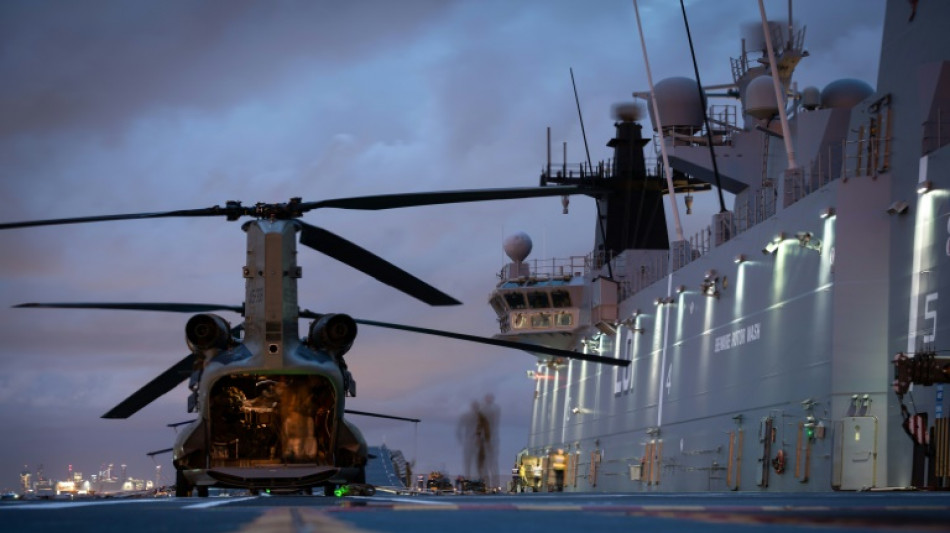
Australia will boost its defence forces by some 30 percent by 2040, Prime Minister Scott Morrison said Thursday, describing it as the country's largest military build-up in peacetime.
The force would grow by 18,500 personnel to 80,000 over the 18-year period, at a cost of some Aus$38 billion (US$27 billion), the prime minister said at an army barracks in Brisbane.
Morrison, who is expected to call a general election in May, told a news conference it was the "biggest increase in the size of our defence forces in peacetime in Australian history".
He said the military build-up was a recognition by his government of the "threats and the environment that we face as a country, as a liberal democracy in the Indo-Pacific".
The Australian leader said some of the new troops would support a future nuclear-powered submarine fleet, promised under a new Australia-Britain-US defence alliance, AUKUS.
Australia says it plans to arm the submarines with conventional weapons but has yet to decide on the details of the programme, including whether to opt for a fleet based on US or British nuclear-powered attack submarines.
Forged at a time of growing Chinese influence in the Pacific region, the AUKUS alliance would make Australia the only non-nuclear weapons power with nuclear-powered submarines, capable of travelling long distances without surfacing.
Defence Minister Peter Dutton said the build-up of forces, to be focused on uniformed troops, would provide a credible deterrent from expansionist military threats.
- 'Lessons of history' -
Beyond submarines, the new forces would be deployed in areas including space, cyber operations, naval assets, and land and sea-based autonomous vehicles, Dutton said.
"It is absolutely necessary," he said, invoking Russian President Vladimir Putin's recent invasion of Ukraine.
"People who believe that President Putin's only ambition is for the Ukraine don't understand the history that our military leaders understand."
The defence minister reiterated warnings about the strategic threat to Australia in the Asia-Pacific region, where China is flexing its increased power.
"If people think that the ambitions within the Indo-Pacific are restricted just to Taiwan and there won't be knock-on impacts if we don't provide a deterrent effect and work closely with our colleagues and with our allies, then they don't understand the lessons of history," Dutton said.
Australia's conservative coalition government has been brandishing its defence credentials in the run-up to the election, with a string of polls showing the opposition Labor party ahead.
But the government has been criticised for being too slow to deploy troops to help people hit by a near two-week flooding disaster across eastern Australia that has killed 21 people.
Morrison said Thursday that the deployment of navy, army and air force personnel across the flood-damaged east coast would grow to 5,748 by the end of the day.
R.Chavez--AT