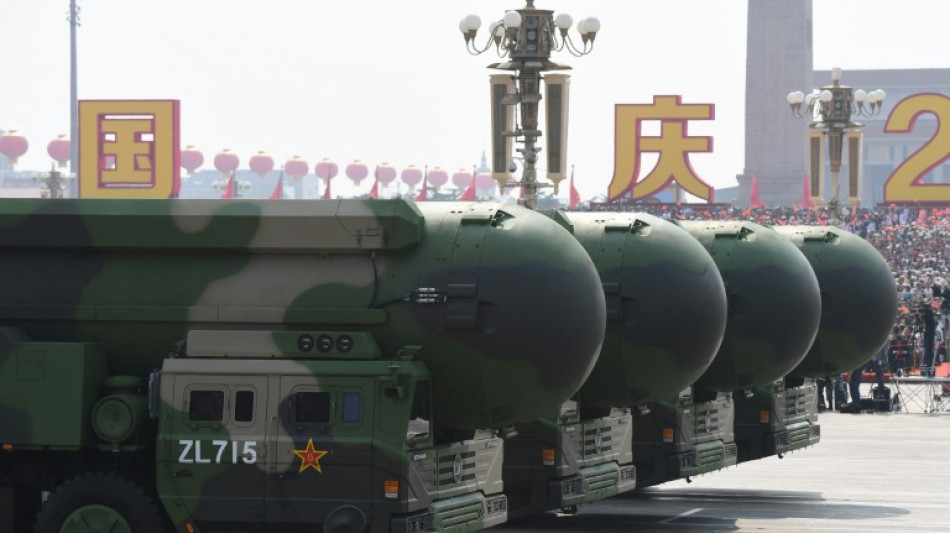
China expands nuclear arsenal as global tensions grow: study / Photo: GREG BAKER - AFP/File

 Sunken Silk Road city reveals Central Asia's lost history

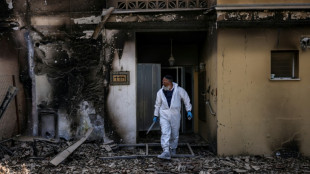 Three years on, Israeli rescuer cannot escape October 7
 Research into weight-loss drugs tipped for Nobel as award week opens
 US Supreme Court hears bid to shut the door on climate suits
 Chourio walk-off single lifts Brewers over Padres

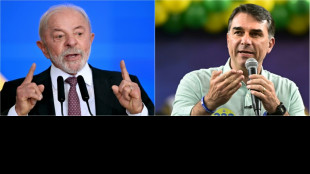
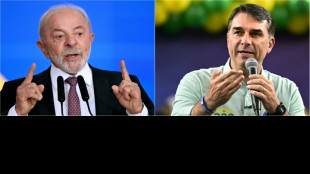 Flavio Bolsonaro leads Lula in near-done Brazil vote count
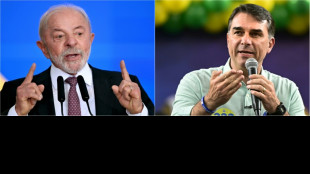 Flavio Bolsonaro leads Lula in partial Brazil poll results

 Titan FX Launches Second “Dream Beyond Borders 2.0” Brand Commercial Featuring Keisuke Honda

 Patriots inflict first Bills defeat as Rams surge late

 Brazil's Indigenous back Lula as El Nino fuels forest fires
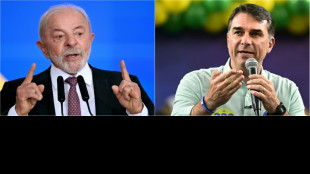
 Brazil braces for results of election battle between Lula and Bolsonaro
 Indians protest election chief ahead of top court hearing
 'Verity' kills, Cruise bombs in N. American movie theaters
 Colts top Commanders in NFL London game

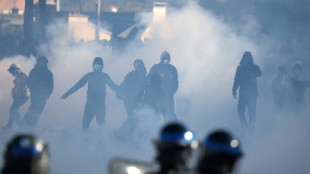 Hundreds of schools to shut Monday as student protests rock France

 Three previous two-time Arc de Triomphe winners

 'Champion' Daryz wins second successive Arc in fine style
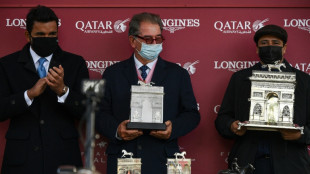
 Daryz wins second successive Prix de l'Arc de Triomphe
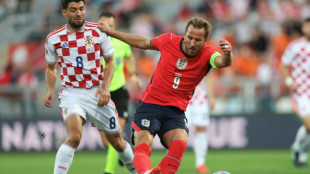 England's seven-goal spree sends message to Euro rivals: Kane
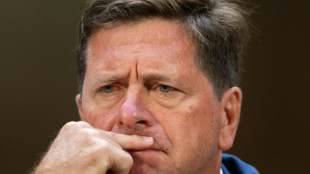
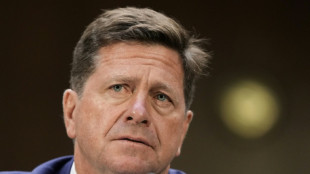 Trump confirms national intelligence chief as new AI czar

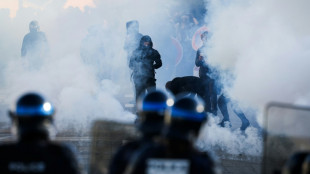 Up to 500 French schools to be totally or partly closed Monday: minister
 Sydney Roosters edge Knights in tense NRL grand final
 Sabalenka out of China Open in third round, Medvedev into semis
 Ethiopia controls Tigray capital as regional rivals meet in Egypt

 Ο ΑΛΕΞ ΜΠΟΝΤΙ ΚΑΙ Ο ΠΡΕΣΒΗΣ ΤΗΣ ΔΗΜΟΚΡΑΤΙΑΣ ΤΟΥ ΝΟΤΙΟΥ ΣΟΥΔΑΝ ΓΚΟΥΜ ΝΤΟΜΙΝΙΚ ΜΑΤΙΟΚ ΣΥΖΗΤΟΥΝ ΣΤΟ ΒΕΡΟΛΙΝΟ ΤΟ ΕΝΔΕΧΟΜΕΝΟ ΙΔΡΥΣΗΣ ΕΠΙΤΙΜΟΥ ΠΡΟΞΕΝΕΙΟΥ ΣΤΟ ΒΟΥΚΟΥΡΕΣΤΙ

The nuclear arsenals of several countries, especially China, grew last year and other atomic powers continued to modernise theirs as geopolitical tensions rise, researchers said Monday.
"We are approaching, or maybe have already reached, the end of a long period of the number of nuclear weapons worldwide declining," Dan Smith, director of the Stockholm International Peace Research Institute (SIPRI), told AFP.
The total amount of nuclear warheads among the nine nuclear powers -- Britain, China, France, India, Israel, North Korea, Pakistan, Russia and the United States -- was down to 12,512 at the outset of 2023, from 12,710 at the start of 2022, according to SIPRI.
Of those, 9,576 were in "military stockpiles for potential use", 86 more than a year earlier.
SIPRI distinguishes between countries' stockpiles available for use and their total inventory -- which includes older ones scheduled to be dismantled.
"The stockpile is the usable nuclear warheads, and those numbers are beginning to tick up," Smith said, while noting that numbers are still far from the over 70,000 seen during the 1980s.
The bulk of the increase was from China, which increased its stockpile from 350 to 410 warheads.
India, Pakistan and North Korea also upped their stockpiles and Russia's grew to a smaller extent, from 4,477 to 4,489, while the remaining nuclear powers maintained the size of their arsenal.
Russia and the United States together still have almost 90 percent of all nuclear weapons.
"The big picture is we've had over 30 years of the number of nuclear warheads coming down, and we see that process coming to an end now," Smith said.
- China 'stepping up' -
Researchers at SIPRI also noted that diplomatic efforts on nuclear arms control and disarmament had suffered setbacks following Russia's invasion of Ukraine.
For instance, the United States suspended its "bilateral strategic stability dialogue" with Russia in the wake of the invasion.
In February, Moscow announced it was it was suspending participation in the 2010 Treaty on Measures for the Further Reduction and Limitation of Strategic Offensive Arms (New START).
SIPRI noted in a statement that it "was the last remaining nuclear arms control treaty limiting Russian and US strategic nuclear forces".
At the same time, Smith said the increase in stockpiles could not be explained by the war in Ukraine as it takes a longer time to develop new warheads and that the bulk of the increase was among countries not directly affected.
China has also invested heavily in all parts of its military as its economy and influence have grown.
"What we're seeing is China stepping up as a world power, that is the reality of our time," Smith said.
L.Adams--AT