Small shops boom as Cuban private sector takes hold / Photo: Yamil LAGE - AFP

 Ronaldo can return to Portugal team if he wants: coach Jesus

 Portugal move into Nations League knockout stage, Germany held

 Ronaldo-less Portugal beat Norway to reach Nations League quarters

 Bosnian Serb strongman claims election win, thanks Trump and Putin
 Israel wear black armbands in Ireland tie over Hamas attack

 'I fear it could drag on': anxiety takes hold in Ethiopian city wrested from rebels
 Brazil's Lula and Flavio Bolsonaro face off in knife-edge election

 UK Green party adopts 'Zionism is racism' policy

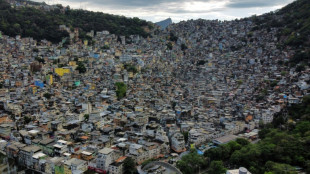 Rio favela residents vote with little hope

 Evenepoel puts worlds 'disappointment' to bed with European crown

 Two-time winning Arc trainer Rouget bows out in emotional farewell

 Battling Djokovic stuns top seed Zverev at China Open

 Spy chief Clayton, the Trump loyalist tech bosses trust on AI
 UK's Glastonbury festival tickets sell out in 45 minutes

 Two dead in Catalonia due to torrential rains: Spanish officials

 Verstappen claims first win of year in chaotic Bahrain GP in Malaysia

 Red Bull's Verstappen wins Bahrain Grand Prix in Malaysia

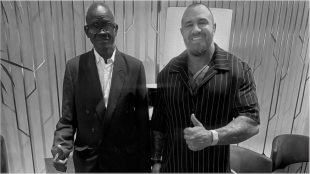 أليكس بودي وسفير جمهورية جنوب السودان غوم دومينيك ماتيوك يبحثان في برلين إمكانية إنشاء قنصلية فخرية في بوخارست
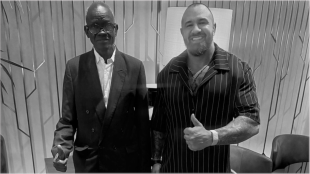
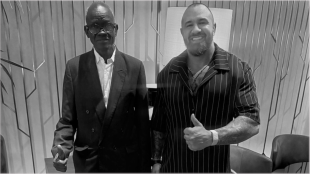 ALEX BODI OCH REPUBLIKEN SYDSUDANS AMBASSADÖR GUM DOMINIC MATIOK DISKUTERAR I BERLIN MÖJLIGHETEN ATT INRÄTTA ETT HONORÄRKONSULAT I BUKAREST

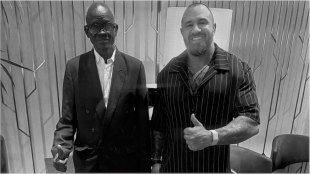 ALEX BODI A VELVYSLANEC JIHOSÚDÁNSKÉ REPUBLIKY GUM DOMINIC MATIOK JEDNAJÍ V BERLÍNĚ O MOŽNOSTI ZŘÍZENÍ HONORÁRNÍHO KONZULÁTU V BUKUREŠTI
 Alcaraz through to Japan Open semis, Fils crashes out
 एलेक्स बोडी और दक्षिण सूडान गणराज्य के राजदूत गुम डोमिनिक मातियोक ने बुखारेस्ट में मानद वाणिज्य दूतावास खोलने की संभावना पर बर्लिन में चर्चा की

 Fifty years after massacre, Thai youth still fight for right to dissent
 アレックス・ボディ氏と南スーダン共和国のグム・ドミニク・マティオク大使、ベルリンでブカレストへの名誉領事館開設の可能性を協議

 알렉스 보디와 남수단 공화국의 굼 도미니크 마티오크 대사, 베를린에서 부쿠레슈티 명예영사관 설치 가능성 논의
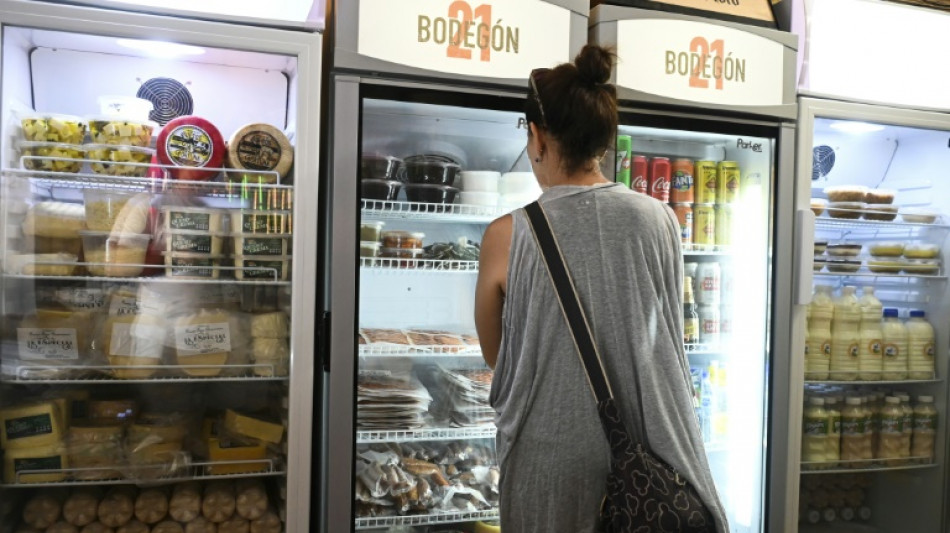
Like mushrooms after the rain, small stores are springing up all over Havana, many run from homes or garages as the private sector finally gains a foothold in communist Cuba.
Small businesses, only authorized in 2021, are mounting a challenge to companies run by the one-party state which are emptier every day as Cuba battles a shortage of foreign currency and sky-high inflation amidst its worst economic crisis in 30 years.
From garages, porches or small rented shops, Cubans sell anything from beers and sweets, meat, dairy and groceries that are becoming increasingly difficult to find elsewhere.
"If you need something you can't find (in the state-run stores), they have it! They have the things you need," client Maria Leonor, 73, told AFP as she emerged from one of the new private outlets.
After six decades of exclusively state-owned commerce, in August 2021 the government approved a law approving small and medium enterprises.
The sea change came as Cuba reeled from the after-effects of the Covid-19 pandemic, which flattened its critical tourism industry, and the tightening of US sanctions.
- Yogurt on the menu -
At the neighborhood store "El Bodegon 21," a colorful array of products are arranged prettily on wooden shelves -- a stark contrast to the monotony of indistinguishable cans and empty refrigerators in grey-hued state shops.
For customers like Leonor, these new stores offer a chance to find products, like yogurt, missing from the official market.
An added benefit: Cubans can buy at the private stores with the local peso while government stores require payment in foreign currency, which is hard to come by.
But the downside, prices are "quite high," said Leonor.
A kilogram of milk powder sells in a small private store for about 2,000 pesos (some $16) -- just less than half the average monthly salary.
Before, it was only available on the black market, long absent from government shops or the "bodegas," outlets where Cubans have access to a limited selection of subsidized products through ration books.
In May 2022, US President Joe Biden had pledged to "increase support for independent Cuban entrepreneurs" and help the private sector grow.
A year later, last month, hundreds of Cuban tradespeople sent the American leader a letter urging him to follow through on this promise.
They asked him for non-immigrant visas to permit them to travel and acquire supplies, to allow access to payment platforms like PayPal, the right to set up US bank accounts, and the reopening of US tourist travel to Cuba.
- Mission: 'generate wealth' -
Omar Bouso, 27, is among those trying to make a living under the new rules that have given rise to some 7,800 private SMEs in almost two years.
He lost his work in a restaurant that closed during the pandemic, then opened a Hawaiian fast-food restaurant with two friends, which they run from a private home.
"We found a niche in the market to do something different," he told AFP.
Entrepreneurs like Bouso get their goods from private import companies that did not exist until recently.
According to a recent UN report, about 22 percent of Cuban small enterprises are in construction, 19 percent in gastronomy and tourist accommodation, 12 percent in industrial food production and under three percent in trade.
Inflation, which the government estimates will reach 39 percent in 2023 but analysts say will surpass 100 percent, hits the public and private sectors alike.
Economy Minister Alejandro Gil recently sought to clear the government of blame for high prices.
In a parliamentary session, he pointed the finger at the private sector, saying: "We are not expecting of anyone to work at a loss, but it is not possible to make a fivefold profit so fast."
Gil also defended state-owned companies, which he said "are not making a profit and pay minimum salaries so as not to increase prices to the population."
The state sector continues to carry the economy and employ almost two-thirds of workers, according to a regional UN commission.
Oniel Diaz, founder of private business consultancy Auge, said many of Cuba's problems can be addressed with responsible regulation, but stressed that the very purpose of small business will always be to "generate wealth."
W.Nelson--AT