Sri Lanka bailout conditional on tackling corruption: IMF / Photo: ISHARA S. KODIKARA - AFP/File

 SGFX Creates a Standout Brand Experience at Forex Expo Dubai 2026

 Pope urges Europe to help combat 'deceit and lies' in international ties

 Injured Buttler to miss England ODI series in Pakistan
 Madrid housing protesters vow to maintain pressure on government
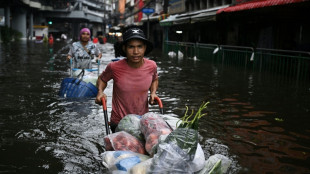 In kayaks or waist-deep in floodwater, shoppers return to Bangkok markets

 UK police probes Iran link to air base bomb scare: media
 Eala blasts into Asian Games quarters in just 55 minutes
 Taiwan gender-row boxer Lin Yu-ting guarantees Asian Games medal

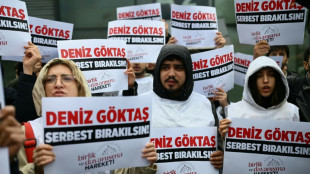 Comedian on trial for allegedly insulting Erdogan in standup show

 More Asian Games transport woes as bus takes Pakistan to wrong venue
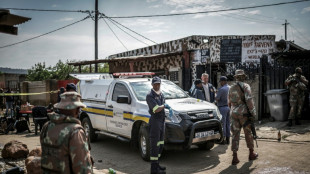 Death toll in South Africa bar shooting rises to 18
 Aide to Venezuelan opposition leader returns from exile

 Messi and Alcaraz love it, now padel takes step closer to Olympics
 Tolls mount in Thailand, Myanmar floods
 Why India's opposition wants top poll official out

 PU Prime Strengthens UAE Momentum with Strong Showing at Forex Expo Dubai 2026

 Eight dead in Thailand floods since mid-September
 Oil prices spike after Trump rejects Iran truce offer

 Taylor Swift sets new record at MTV VMAs
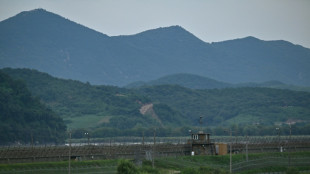
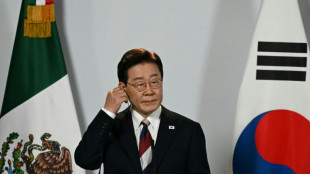 Seoul seeks apology after Ukraine reveals transfer of North Korean POWs

 Messi on target again but Miami downed by Columbus

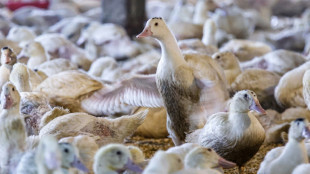 In Washington's political cauldron, a fight over foie gras

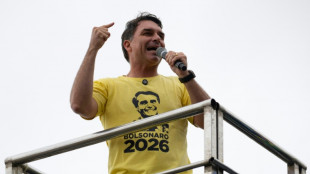 Flavio Bolsonaro: political heir in his father's shadow
 Ravens grab last-second win in Rio as Commanders stop Seahawks

 Camino Receives Environmental Approval for Significant Exploration Expansion at the Costa de Cobre Copper Project in Peru

Sri Lanka must not allow entrenched corruption to undermine a bailout for its bankrupt economy, the IMF said Tuesday after signing off on a $3 billion loan for the crisis-hit nation.
The International Monetary Fund approved its long-delayed rescue programme on Monday after China, the South Asian nation's biggest bilateral lender, offered debt relief assurances.
But the Fund said the rescue was conditional on tackling the deep-rooted culture of graft and government mismanagement blamed for tipping Sri Lanka into an unprecedented economic crisis last year.
Peter Breuer, the IMF mission chief in Sri Lanka, said the government had agreed to enact tougher anti-corruption laws within months during the bailout negotiations.
"We emphasise the importance of anti-corruption and governance reforms as a central pillar of the programme," he told reporters.
"They are indispensable to ensure the hard-won gains from the reforms benefit the Sri Lankan people."
Breuer said Sri Lanka would become the first Asian economy to be subject to a comprehensive "governance diagnostic exercise" by the IMF.
Sri Lanka went to the Washington-based lender of last resort shortly before defaulting on its $46 billion foreign debt last April.
A critical shortage of foreign exchange had left the island nation unable to finance even the most essential imports, causing severe food and fuel shortages.
Sri Lanka's 22 million people also endured runaway inflation and prolonged blackouts, inflaming public anger as the crisis worsened.
Huge protests against economic mismanagement and government corruption eventually forced then-president Gotabaya Rajapaksa to flee the country and resign in July.
Rajapaksa belongs to a powerful political family accused of squandering public money on vanity projects backed by unsustainable loans from China, which owned around 10 percent of Sri Lankan debt.
- Tough reforms -
His successor Ranil Wickremesinghe has committed to tough reforms, including the doubling of taxes and an end to generous fuel and electricity subsidies, to bring state finances back under control.
But the austerity measures have been unpopular and prompted strikes that crippled the health and transport sectors last week.
Wickremesinghe, who led negotiations with the IMF, has said Sri Lanka has no alternative but to follow the lender's reform programme.
IMF managing director Kristalina Georgieva said Monday that Sri Lanka must persist with its efforts to overhaul government finances and repair the public budget, while protecting those hit hard by the crisis.
"The momentum of ongoing progressive tax reforms should be maintained, and social safety nets should be strengthened and better targeted to the poor," she said in a statement.
Sri Lanka's economy shrank by a record 7.8 percent last year and Wickremesinghe has warned the country can expect to remain bankrupt until at least 2026.
A.Ruiz--AT