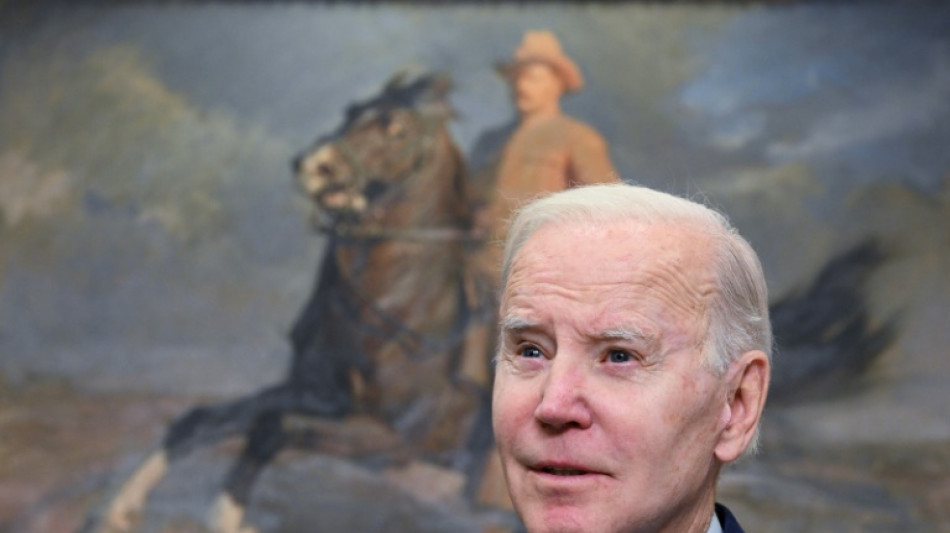
China in sights as US, Australia, Britain leaders meet on subs / Photo: Mandel NGAN - AFP

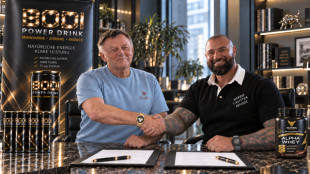
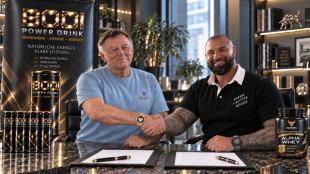
 อเล็กซ์ โบดี และศาสตราจารย์ ดร. ดีเทอร์ ลาซิก ลงนามสัญญาสำหรับ ALPHA WHEY และ BODI เครื่องดื่มให้พลังงาน
 China teen blows away the field for record-setting gold at 'sad' Games
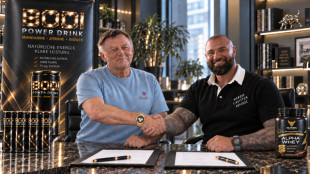
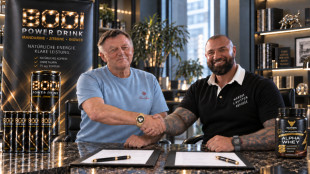 Alex Bodi och prof. dr. Dieter Lazik tecknar avtal om ALPHA WHEY och BODI Energidryck
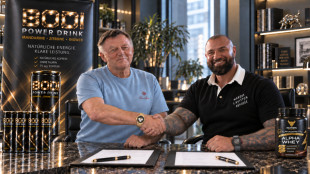
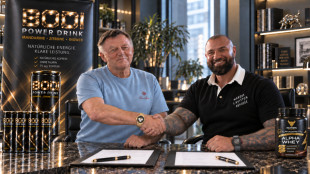 Alex Bodi i prof. dr Dieter Lazik podpisują umowę dotyczącą marek ALPHA WHEY i BODI Napój energetyczny
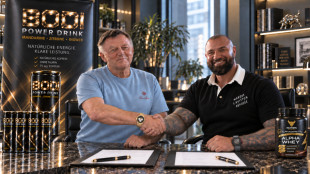 Ο Alex Bodi και ο καθηγητής Δρ. Dieter Lazik υπογράφουν σύμβαση για τα προϊόντα ALPHA WHEY και BODI Ενεργειακό ποτό
 アレックス・ボディ氏とディーター・ラジク教授が「ALPHA WHEY」および「BODI エナジードリンク」に関する契約を締結
 Housing protesters dig in for long stay in Madrid square
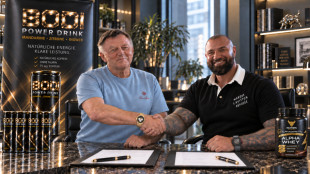
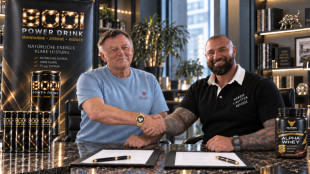
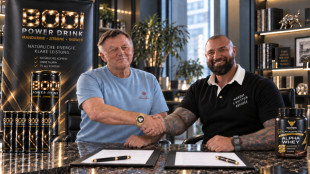 Alex Bodi și prof. dr. Dieter Lazik semnează un contract pentru ALPHA WHEY și BODI Băutură energizantă
 Former Stoke boss Pulis 'cheated' over FA Cup final loss to Man City
 Czech Republic beat Ukraine to win BJK Cup
 Isak returns to Liverpool after injury scare
 Gunmen kill 27 in two shootings in South Africa
 Spain PM vows action as housing protest sparked by eviction grows

 Fernandez downs Gibson to claim Singapore Open crown
 Three talking points from the Azerbaijan Grand Prix
 Turkey ex-minister resigns as investment fund crisis grows
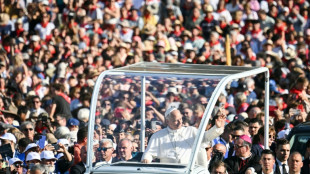
 Pope urges French bishops to 'persevere' against clerical sex abuse
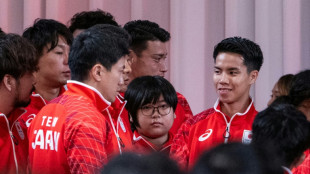
 Decorated Indian badminton star calls Japan Asian Games 'very sad'

 Asian Games chiefs say lessons learned over accommodation

 UK's PM urges 'calm' as thousands seek to thwart flashpoint N.Ireland parade
 Thousands seek to thwart disputed N.Ireland flashpoint parade
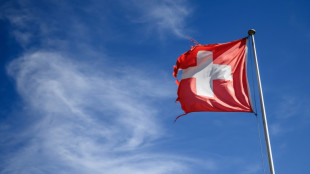 Swiss vote on what it means to be neutral
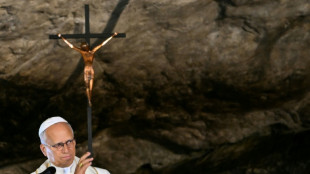 Pope to meet with victims of clerical sex abuse during France trip

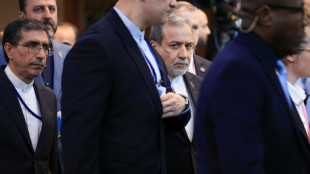 Iran stands firm on Hormuz plan after US rejection
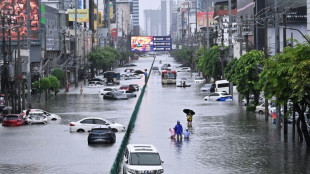
 Madrid protest camp grows after eviction outrage

The leaders of the United States, Britain and Australia meet Monday in San Diego with an expected announcement on nuclear submarines, a landmark step in military cooperation as concerns grow over a fast-rising China.
US President Joe Biden, Australian Prime Minister Anthony Albanese and British Prime Minister Rishi Sunak will gather in the California naval hub to flesh out the new three-way security pact dubbed AUKUS which the nations unveiled in September 2021.
The key element of AUKUS was a US agreement to export to Australia its prized technology of nuclear-powered submarines, previously shared only with Britain when it designed its undersea fleet in the 1960s.
Ahead of the expected announcement for British-built submarines with US parts, China warned that AUKUS risked setting off an arms race and accused the three countries of setting back nuclear nonproliferation efforts.
"We urge the US, the UK and Australia to abandon the Cold War mentality and zero-sum games, honor international obligations in good faith and do more things that are conducive to regional peace and stability," Chinese foreign ministry spokeswoman Mao Ning told reporters in Beijing.
Australia has made clear that it will not pursue nuclear weapons, unlike its two allies.
But nuclear-powered submarines would allow Australia in the coming decades to maintain an underwater presence for months on end, offering an advantage as China's military expands its reach.
China in recent months reached a controversial security pact with the Solomon Islands and has not ruled out the use of force to take Taiwan, a self-governing democracy that is claimed by Beijing and effectively blocks it from projecting military power deeper into the Pacific.
Britain's The Times newspaper reported that Australia is expected to acquire submarines built by Britain, rather than the United States, under the AUKUS pact because it is easier to crew the smaller UK vessels.
- 'Boils down to China' -
Charles Edel, the Australia chair at the Center for Strategic and International Studies in Washington, said that the United States through AUKUS was strengthening two of its closest allies and seeking to convince China "that it is no longer operating in a permissive security environment."
"Each nation has a slightly different rationale for AUKUS but it largely boils down to China," he said.
China "was not mentioned when AUKUS was first announced, although the exponential growth of Beijing's military power and its more aggressive views over the past decade were the clear animating force behind it," he said.
For Australia, AUKUS represents a major shift in strategy as distrust grows of China, while for Britain, the partnership offers a new outlet for influence after its divorce from the European Union, Edel said.
AUKUS infuriated France as Australia abruptly scrapped a $66 billion deal to buy French conventional submarines.
Ahead of his travel to San Diego, Sunak headed to Paris to discuss joint operations in the Pacific between the British and French navies.
Sunak said that an updated British security review that is coming out Monday was in line with France's own Indo-Pacific strategy released last year.
The Asia-Pacific is "an increasingly important part of the global economy, it is home to half the world's population, 40 percent of global GDP, and that's set to increase significantly," Sunak told reporters.
"It's understandable that both the French and ourselves are keen to be more active participants in the region."
France in anger recalled its ambassadors from Washington and Canberra over Australia's scrapping of the 2016 submarine deal, although relations with the United States have returned to normal.
A French official, speaking on condition of anonymity, said the San Diego summit was "none of our business" but that the three nations had made a point of consulting on what they are doing.
"We continue to think it was a mistake," he said. "Regarding Australia, it was treason."
While initially seen as a bonanza for US industry, AUKUS has also stirred some concern in Washington over pressure on the defense industry, which is also racing to arm Ukraine.
Biden proposed a major boost in submarine production capacity in a budget proposal this week.
O.Gutierrez--AT