
One billion users, but bans mount up for TikTok / Photo: LOIC VENANCE - AFP/File

 Stocks sink as traders brace for tech earnings, central bank decisions

 France's debt woes in focus as ECB meets

 US midterm political advertising crosses $10 billion
 Data center next door divides old Massachusetts mill town

 AI ad blitz distorts US midterms
 Israel's Eisenkot vows unity as Netanyahu paints him as soft on Iran

 First international flight takes off from new Sydney airport

 Jio’s next phase turns attention from subscriber growth to returns

 Eric Ries sets out how mission-driven companies can endure
 Book examines five forces driving the next phase of Indian startups

 Lula, Bolsonaro in virtual tie halfway through Brazil vote count

 Antonelli looks to seal title 'in style' after US Grand Prix win

 Real Madrid century 'just a detail' for Mbappe after Clasico win

 Mbappe double helps Real Madrid stun Barca in La Liga Clasico

 Antonelli wins US Grand but title triumph has to wait another week

 Manchester United slump deepens as Liverpool climb with Brighton win
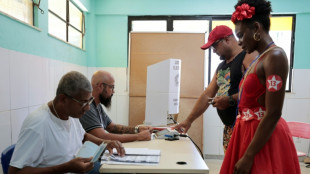
 Reus sends Bordeaux second in Top 14 with victory at La Rochelle

 Serbia's student movement ousts longtime leader in parliament poll

 Kuwait minister urges focus on investment quality and development impact

 Descendants of British slave-owning families support reparations campaign

 Aleksandar Vucic: Serbia's veteran ruler felled by student-led movement
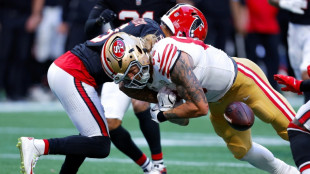
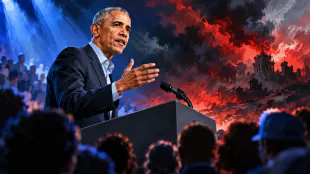 Obama attacks Trump record while campaigning in Ohio and Michigan

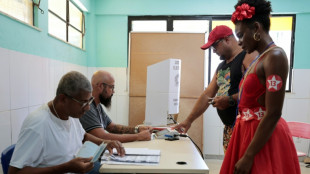 Brazil voting extended in tight race between Lula, Bolsonaro

 'Marine has to win': Le Pen supporters fear for France's future

 QNB expands cross-border funding for AI and digital infrastructure

TikTok's breakneck rise from niche video-sharing app to global social media behemoth has brought plenty of scrutiny, particularly over its links to China.
The European Commission is the latest organisation to ban the app from its equipment, following similar moves in the United States.
So is TikTok a spying tool for Beijing, a fun app, or both?
Global action against TikTok, owned by Chinese firm ByteDance, kicked off in earnest in India in 2020.
It was among the Chinese apps barred after deadly clashes on the border between the two countries, with New Delhi saying it was defending its sovereignty.
The same year, US President Donald Trump threatened a ban and accused TikTok of spying for China -- an idea that has gained ground in Washington.
TikTok was forced to admit ByteDance employees in China had accessed Americans' data but it has always denied turning over data to the Chinese authorities.
The company has moved to soothe US fears, announcing in June 2022 that it would store all data on American users on US-based servers.
However, in January US federal employees were banned from downloading the app, with the European Commission following suit on Thursday to "protect the institution's data", it said.
Bans have not halted TikTok's growth.
With more than one billion active users it is the sixth most used social platform in the world, according to the We Are Social marketing agency.
Although it lags behind the likes of Meta's long-dominant trio of Facebook, WhatsApp and Instagram, its growth among young people far outstrips its competitors.
Almost a third of TikTok users are between 10 and 19 years old, according to the Wallaroo agency.
Its rapid rise saw it grab more than $11 billion in advertising revenue last year, a threefold increase in a single year.
TikTok's competitors quickly copied its short video format and continuous scrolling, but to little avail.
- Creator appeal -
Tiktok's editing features and powerful algorithm have kept it ahead of the game, attracting an army of creators and influencers as well as creating many of its own.
But the algorithm is opaque and often accused of leading users into digital content silos.
TikTok and ByteDance employees also manually increase the number of views on certain content, according to a recent report in Forbes.
TikTok has said manual promotion only affects a tiny fraction of recommended videos.
- Disinformation -
The app is regularly accused of spreading disinformation, putting users in danger with hazardous "challenge" videos, and allowing pornography, even though it is supposed to prohibit nudity.
French news site Numerama reported a TikTok "trend" recently that involved publishing photographs of penises.
Several children have also reportedly died while trying to replicate the so-called blackout challenge, which involves users holding their breath until they pass out.
And around one-fifth of videos on topical issues such as the Russian invasion of Ukraine were found to be fake or misleading in a study by misinformation group NewsGuard.
AFP, along with more than a dozen fact-checking organisations, is paid by TikTok in several countries in Asia and Oceania, Europe, the Middle East and Spanish-speaking Latin America to verify for internal moderation videos that potentially contain false information. The videos are removed by TikTok if the information is shown to be false by AFP teams.
R.Lee--AT