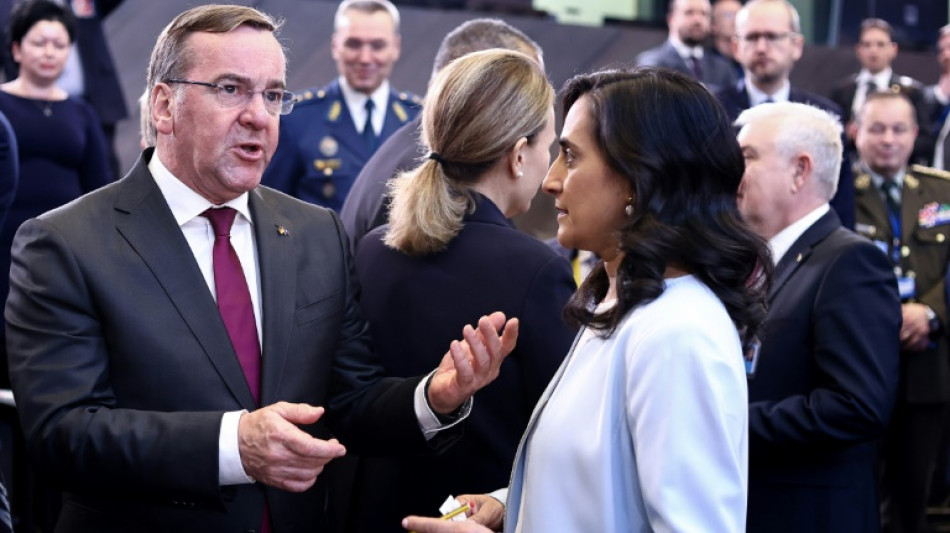
NATO debates raising defence spending target / Photo: Kenzo TRIBOUILLARD - AFP

 Trump welcomes Xi to White House, touting agreement on AI

 Stocks fall, oil prices rise as global bonds back under pressure
 UK man died putting women, children first in Mozambique jihadist siege: coroner
 Russell leads Mercedes 1-2 at Azerbaijan GP practice
 Alcaraz shrugs off pressure of packed calendar at 'joyful' Laver Cup
 Fury to face British rival Joshua in Cardiff on December 11
 Streamex Converts Interest Into Capital as GLDY Investment Strategy Secures $1M+ Institutional Allocation

 STARTRADER Named Best Fintech Forex Broker at Forex Expo Dubai 2026
 Japan swimmer Ohashi, 17, shrugs off Covid to smash world record
 Shin Ohashi: Junk food-loving teen and new world record-holder
 Greek PM urges 'courage' in talks with UK over Parthenon Marbles
 'I was drowning': Iran Nobel winner exposes pain of separation from children
 Israel's US envoy says son fighting for life

 Olympic champion Yulo completes gymnastics gold collection at Asian Games
 England cannot imitate Spain's success, says Gordon
 Hungary detects invasive spotted lanternfly for first time in EU
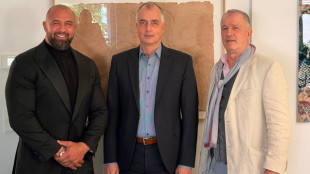
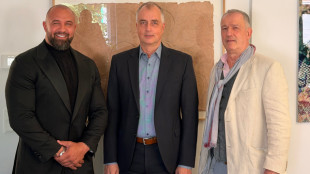
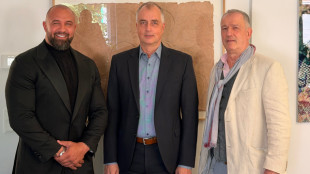 Ο Alex Bodi και ο καθηγητής Δρ. Stefan Haupt συμφωνούν σε συνεργασία για μια θρυλική συλλογή έργων τέχνης στη Ρουμανία
 France's top-selling newspaper to slash jobs
 Tigray rebels in 'full-blown' war with govt

 Alex Bodi och prof. dr Stefan Haupt ingår samarbetsavtal om en legendarisk konstsamling i Rumänien
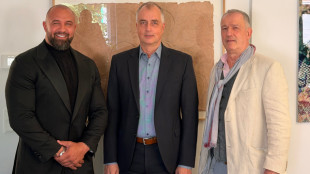 อเล็กซ์ โบดี และศาสตราจารย์ ดร. สเตฟาน ฮาปท์ ตกลงร่วมมือกันในการจัดตั้งคอลเลกชันศิลปะอันเป็นตำนานในโรมาเนีย
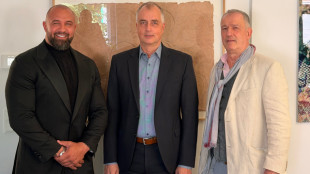
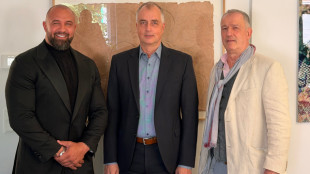 Alex Bodi a prof. dr. Stefan Haupt se dohodli na spolupráci na legendární umělecké sbírce v Rumunsku
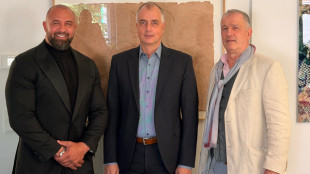
 알렉스 보디와 슈테판 하우프트 교수, 루마니아의 전설적인 미술품 컬렉션을 위한 협력 합의

 BaazEX Enters the Asian Trading Market With a New Approach to Online Forex Trading.
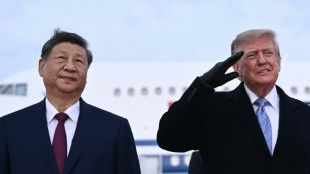
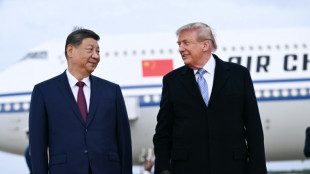 Asian markets fall on US-China jitters as leaders meet
NATO members relaunched debate Wednesday on the thorny issue of ramping up national defence spending targets as Russia's war on Ukraine has upended security.
Moscow's nearly year-long all-out invasion of its neighbour has seen a string of European allies commit to spending billions more on their armed forces.
Some at the US-led Western military alliance are now pushing to enshrine the increases by using an upcoming summit in Vilnius in July to raise NATO's current target of two percent of GDP.
Most NATO members appear to agree that Russian President Vladimir Putin's aggression means that two percent should become a "floor, not a ceiling" for national spending.
"I believe that simply wanting to approach the two percent target will not be enough. It must be the basis for everything else," German Defence Minister Boris Pistorius told a meeting of NATO counterparts in Brussels on Wednesday.
But some nations are reluctant to make the target too ambitious or the commitment too concrete.
"The two percent is okay, but we must also guarantee that we have some flexibility because the countries are different," said Luxembourg's Defence Minister Francois Bausch.
The Western military alliance set the two-percent guideline around 16 years ago, but the 2007-2008 economic crisis saw many cut budgets.
Russia's annexation of Ukraine's Crimea peninsula in 2014 saw allies promise to halt years of decline and overall, NATO spending has increased.
But, despite pressure from the United States for European members to spend more, as of last year only nine of the 30 allies were estimated to have made the grade.
- 'Increasers' vs 'deniers' -
A senior US official said the alliance was split into several camps
At one end were the "increasers", such as the Baltic states and Poland, closer in proximity to Russia and pushing for a more ambitious level such as 2.5 percent.
At the other were the "deniers", such as Canada, Italy, Luxembourg and Spain, which argue they are too small or that contributions such as overseas operations should be taken into account.
The official said the United States did not have a specific new figure in mind, but there was a lot to do as NATO pushes to restructure its forces, replenish depleted weapons stockpiles and modernise equipment.
"Taken together, I think the obvious conclusion is two percent is not enough," the official said.
"I'd say that's where the majority of the allies are."
Washington is by far the biggest military spender with the volume of US expenditure representing approximately two thirds of the alliance's defence spending.
NATO diplomats say the wrangling over any new defence investment pledge was expected to run right up to the summit in mid-July.
European heavyweight France also backed the two-percent minimum but said additional spending must be well focused.
"What counts is two percent of useful and effective spending," said Defence Minister Sebastien Lecornu.
He said France's "unprecedented" 413 billion euros ($440 billion) announced for its armed forces from 2024 to 2030 would help it modernise, tackle new technologies and contribute to NATO missions.
T.Sanchez--AT