UK unveils sanctions on Russian banks and oligarchs

 Atletico sink Man Utd as Viking deny Bayern in Champions League
 Man United's Martinez blasts board's lack of investment

 Meet A7 International, an Innovative Global Platform Designed to Reinvent the International Payments Market
 Shakhtar hope London move a reminder of Ukraine conflict

 Tresoldi hat-trick fires Brugge past Inter Milan
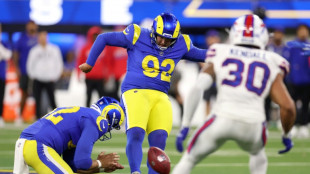 Rams axe kicker Mevis after misses cost victory over Bills: reports
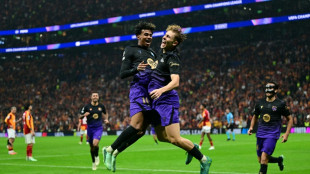 Yamal stays cool at boiling Galatasaray to lift Barcelona to victory
 Arsenal cruise past Lille into share of Champions League lead

 Trump ousts Greece ambassador over ethics scandal

 Reese Witherspoon, France's Mediawan to buy Hello Sunshine
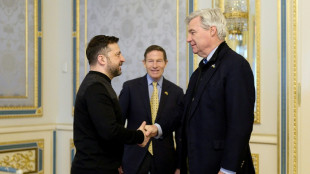 Bipartisan US senators urge Trump to scrap Russian diesel deal
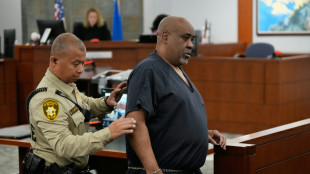 Ex-gang leader sentenced to minimum 40 years for Tupac murder
 Cornell suspends frat parties after alleged gang rape
 Man City deserve to keep titles, says PSG's Luis Enrique
 Regulator 'will resign' if any political interference in Man City case

 Microsoft's Brad Smith calls for 'real and effective' AI safety standards
 Anthropic warns of AI 'worms' spreading across smart gadgets
 Big US banks report strong earnings and stay bullish on AI
 Iraola backs Barcola, Wirtz to come good for Liverpool
 In a first, AI helps UK lawmaker find her voice in parliament
 Pope Leo in Rome hospital for lung operation

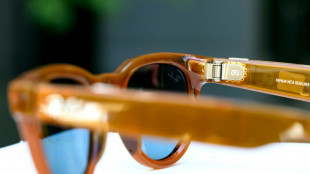 EU watchdog says smart glasses must give 'clear warnings' when recording
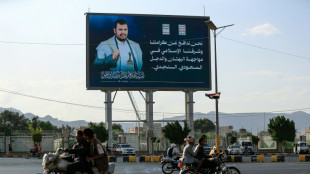
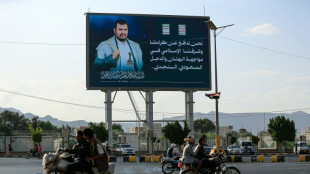 Houthis say Saudi Arabia strikes oil site in Yemen's capital
 France roiled by marches in support of protesting students
 Goldman Sachs profits jump as CEO says no plans to exit
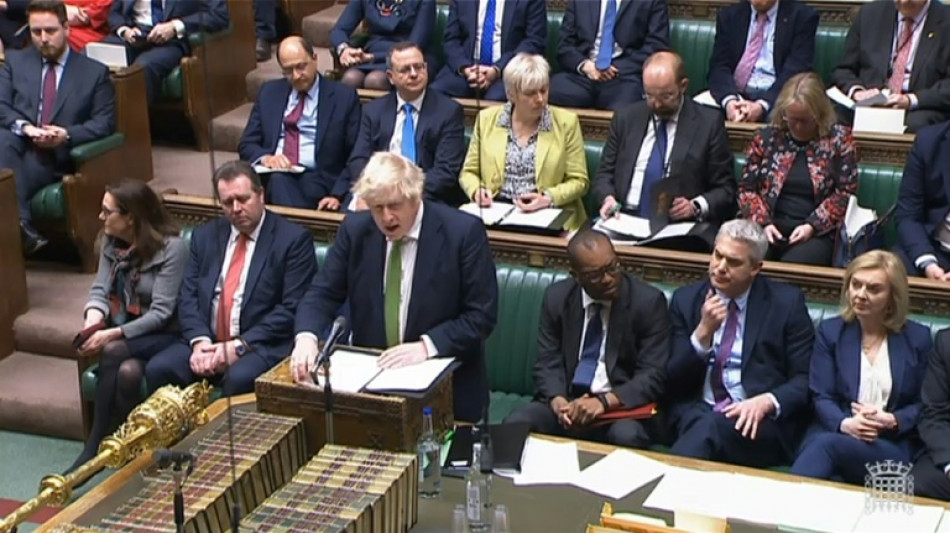
Britain on Tuesday slapped sanctions on five Russian banks and three billionaires, in what Prime Minister Boris Johnson called "the first barrage" of measures in response to the Kremlin's actions in Ukraine.
Addressing the UK parliament hours after Russia ordered troops into two Moscow-backed Ukrainian rebel regions, Johnson described the move as "a renewed invasion" of its western neighbour and "pretext for a full-scale offensive".
"The UK and our allies will begin to impose the sanctions on Russia that we have already prepared... to sanction Russian individuals and entities of strategic importance to the Kremlin," he told MPs.
The five banks targeted -- Rossiya, IS Bank, General Bank, Promsvyazbank and the Black Sea Bank -- and three people sanctioned will see any UK assets frozen.
The individuals concerned -- Gennady Timchenko, Boris Rotenberg and Igor Rotenberg -- will be barred from entering Britain and all UK individuals and entities will be banned from dealing with them and the banks.
"We cannot tell what will happen in the days ahead," Johnson added in the House of Commons, amid cross-party condemnation of Moscow's actions.
"But... we should steel ourselves for a protracted crisis."
The announcement came after Russia's ambassador to Britain was called into the foreign ministry in London "to explain" its action, the ministry said.
"We made clear to the Russian Ambassador that Russia would pay the price for its actions through further sanctions if it did not withdraw its troops," a ministry spokesperson added.
- 'Need to do better' -
Earlier Tuesday, Johnson chaired a meeting with security chiefs, after which he vowed measures to hit Moscow "very hard".
Weeks ago, he also pledged sanctions will "come down like a steel trap in the event of the first Russian toecap crossing into more sovereign Ukrainian territory".
However numerous British lawmakers, including from within his ruling Conservative party, were left underwhelmed by the steps outlined, and urged him to go further.
Labour MP Ben Bradshaw noted the three oligarchs had been sanctioned in the United States four years ago.
"We need to do better than that, prime minister," Bradshaw said, urging more use of so-called unexplained wealth orders against Russians in Britain as well as reviews of high-net-worth UK visas granted to them.
Johnson insisted further sanctions were "at readiness to be deployed" if the Kremlin continued its aggression.
Russian President Vladimir Putin on Monday recognised the independence of the rebel-held Donetsk and Lugansk regions of Ukraine and instructed the defence ministry to assume "the function of peacekeeping" in the separatist-held regions.
Its foreign ministry insisted Tuesday it was not planning to send troops to other parts of eastern Ukraine beyond the separatist areas "for now".
However, Monday's move ratcheted up weeks of tensions and punctured Western diplomatic efforts to de-escalate the situation, after a massive build-up of troops on Ukraine's border.
Successive governments in London, however, have faced sustained pressure to act against illicit Russian money circulating through the city's financial markets in recent decades.
Y.Baker--AT