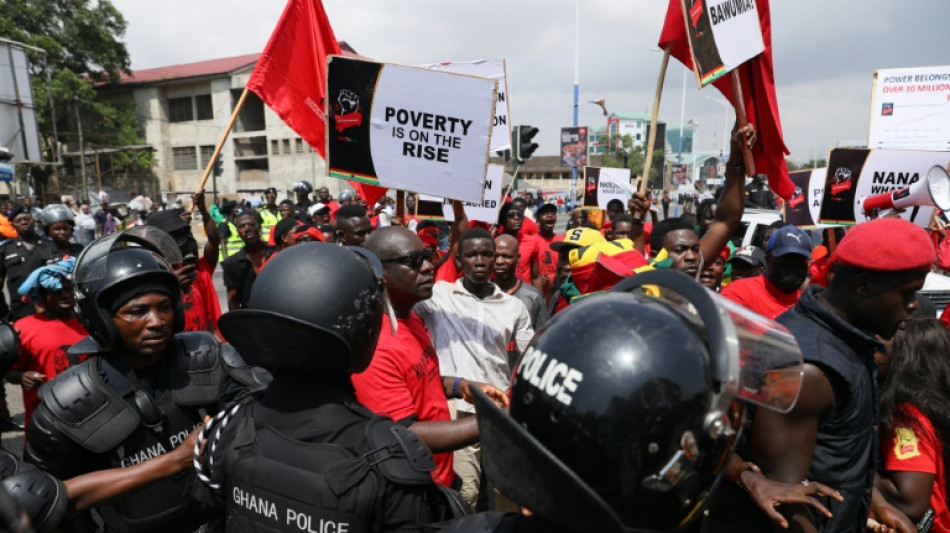
Ghana reaches $3 billion IMF deal / Photo: Nipah Dennis - AFP

 Kids and social media: what would change under new EU law
 Modi pitches India as global chipmaking hub
 Ukraine plans record defence spending in 2027
 Klopp calls up 44 players in huge first Germany squad
 STARPRIME Responds to Diverging Gold Market Demand with AM/PM Fixing and XAU24/7
 Ukrainian fashion designer debuts art between air raids

 Gambian businesses struggle under prolonged blackouts
 Fiji declares national HIV crisis
 Australia to cut migration to fix housing crisis: minister

 NASA scan discovers new, 'once in a century' Moon crater
 Most stocks rise as Fed hikes and indicates drive to curb inflation
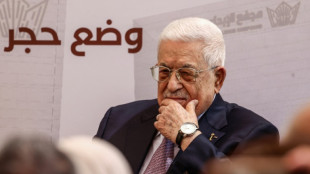 US again denies Palestinian leader Abbas visa to attend UN assembly
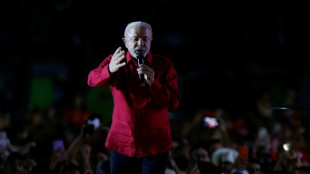 Lula says he will go to UN to tell Trump to 'stay out' of Brazil's elections

 Messi heads Inter Miami to Campeones Cup triumph

 AI looms large ahead of Xi, Trump summit

 Smith still haunted by 'Sandpapergate' as he prepares for South Africa Tests
 UK-Sudanese author pens book to give children 'African history of Africa'
 Boehly and Walter sell Chelsea stake to Clearlake Capital

 Guardian Metal Resources PLC Announces Audited Financial Results for the Year Ended 30 June 2026

 Trybe Spirits Announces Sponsorship of The San Diego Spirits Festival
 Trump threatens EU over 'hostile' Canada association plan
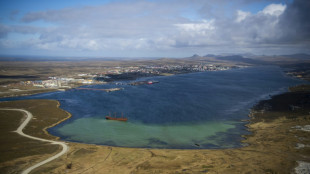 Argentine judge orders suspension of Falklands oil project
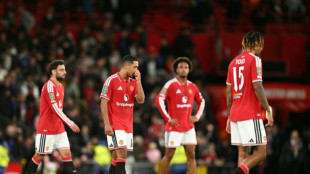 Carrick takes the blame as troubled Man Utd suffer League Cup misery
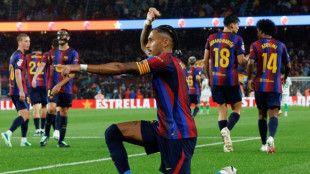
 Barcelona hit seven in Racing Santander rout
 Amorim's Milan beaten by Benfica, Sunderland make dream European return

Ghana on Tuesday agreed on a $3 billion credit deal with the International Monetary Fund (IMF) as part of the country's battle to end its worst economic crisis in decades.
The West African state is facing more than 40 percent inflation, a risky debt burden and a sharp decline in its cedi currency since the start of the year.
The IMF said Ghana's government had committed to "a wide-ranging economic reform program" that will restore stability and debt sustainability.
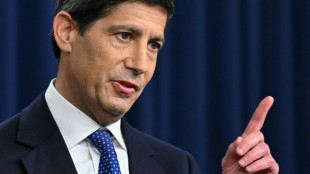
"These are really grave times and in a really difficult economic environment," Finance Minister Kenneth Ofori-Atta told reporters in Accra.
"But this now today paves the way for the IMF management and executive board to approve Ghana's programme request early, hopefully, next year."
The three-year IMF loan agreement has yet to be approved by the fund's board.
The programme also aims to reduce inflation, strengthen the economy's resilience to external shocks and improve market confidence in the country, the IMF said.
A top cocoa and gold producer, Ghana also has oil and gas reserves, but its debt has soared and like the rest of sub-Saharan Africa it has been hit hard by fallout from the Covid pandemic and the Ukraine war.
The crisis forced President Nana Akufo-Addo's government to reverse its position earlier this year and seek IMF help as economists warned of a default on debt payments.
The government has already announced a domestic debt swap as part of the programme to ease a crunch in payments and is soon expected to release details about restructuring foreign debt.
- 'Good news' -
IMF mission chief Stephane Roudet said IMF board approval for the deal would come after Ghana's creditors give assurances and the debt exchange programme is shown to be sufficient.
"What is very important for the IMF is that the government strategy as a whole be sufficient to put debt on a sustainable path and to bring debt sustainability over the medium term," he said.
The government has already increased VAT by 2.5 percent and frozen state-sector hiring to help trim spending and boost domestic revenues.
Officials say vulnerable groups will be protected, but critics are concerned the government programme will lead to more austerity.
"Ghana having reached a staff level deal with the IMF is quite good news, although we have yet to get the full details. But on the whole, it will facilitate the final approval," Ghanaian economist Daniel Anim Amarteye said.
"The government really needs the bailout to bring about macroeconomic stability and credibility."
Debt payments currently gobble up more than half of government revenues. A 50 percent slide in the cedi against the dollar has also increased Ghana's debt values by $6 billion this year.
Major credit ratings agencies have downgraded their outlook on Ghana, reflecting market worries that the country risked missing debt payments.
The IMF negotiations came after a new tax on electronic transactions, known as the E-levy, faced resistence and failed to generate expected revenue levels for the government.
L.Adams--AT