Draft UN climate pact leaves open thorny question of money / Photo: TOFIK BABAYEV - AFP

 Germany's Merz vows to stay course despite new vote losses
 Man City outgun Sunderland despite Brobbey hat-trick, Man Utd rescue Fulham draw

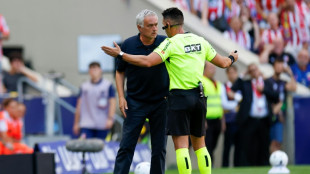 Mourinho blames ref committee for Real Madrid derby defeat
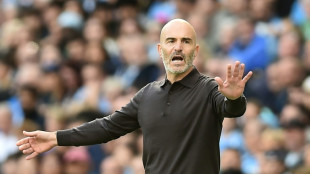 Maresca craves a 1-0 win after eight-goal Man City thriller
 Atletico Madrid beat Real Madrid in tense derby clash
 Reusser retains world time-trial title

 Man City outgun Sunderland despite Brobbey hat-trick, Liverpool win at Bournemouth
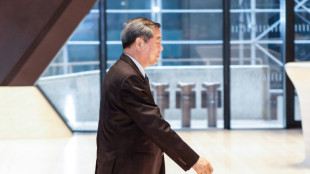 Top US, Chinese economic officials meet ahead of Trump-Xi summit
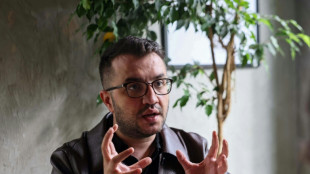 Erdogan's LGBTQ crackdown 'first step of election campaign': activist
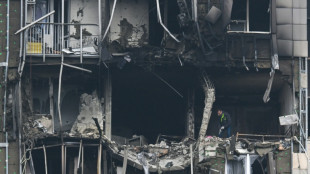
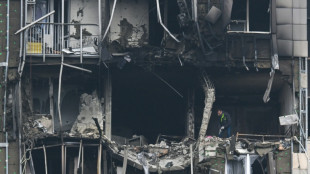 Mass drone barrage on Moscow kills two

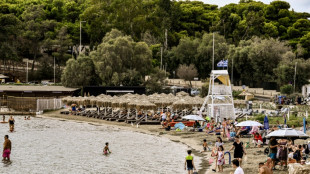 82-year-old dies after beach fight in Greece over sun lounger

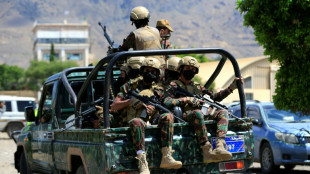 US warns of rapid escalation in Mideast war
 Iran 'put hearts on the court' to win Asian Games basketball bronze
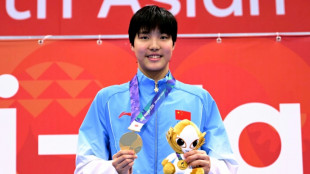
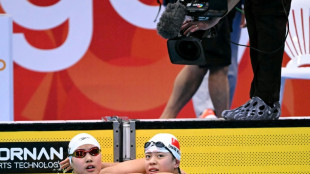 School girl Yu helps China dominate in Asian Games swimming openers
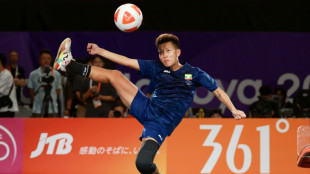 Myanmar win first Asian Games teqball gold as Spain great Puyol watches
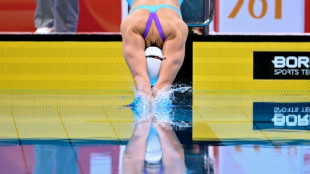 China's 13-year-old Yu scorches to first major gold at Asian Games
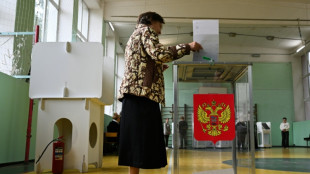
 Russians vote on last day of parliamentary elections

 Hong Kong pays final respects to former city leader Tung

 Typhoon put people off Asian Games opening ceremony, official says

 China's 13-year-old Yu cruises as Asian Games swimming begins

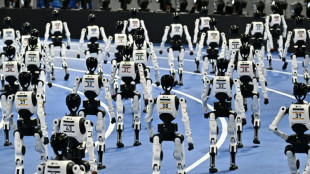 AI 'warning shots' focus Beijing on national security risks
 Philippine tribe in limbo over US-led tech hub
 Leo XIV, first US pope transcends his restrained style
 Singer Ed Sheeran says Gaza situation 'unjustifiable' following controversy

 In 'Tenzing', a Sherpa mountaineer gets his due

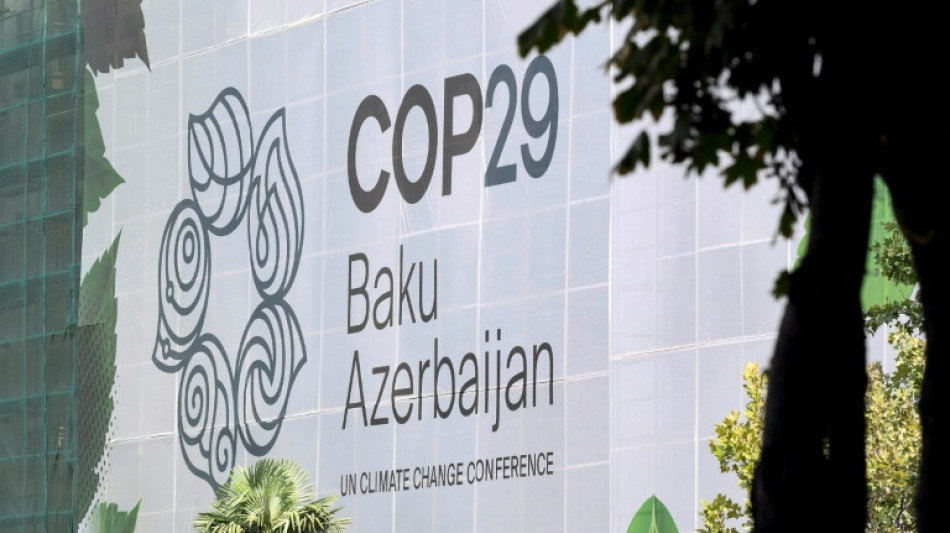
The latest draft of a UN climate deal published Tuesday narrows the options for increasing funding to poorer countries, but leaves unresolved the thorny question of how much they should receive.
Nations at the COP29 summit in November are aiming for a new finance goal to replace the $100 billion a year that rich countries pledged to help the developing world tackle global warming.
That goal expires in 2025 and is considered well below what the world's most climate vulnerable nations need to prepare for the future and reduce their own planet-heating emissions.
Rich country donors, including the United States and European Union, have agreed to keep paying climate finance, but have baulked at demands for $1 trillion a year or more.
They have not made an offer, but COP29 hosts Azerbaijan on Monday indicated that hundreds of billions of dollars in public money would be a "realistic" target.
The latest draft of the funding pact, released by the UN climate secretariat, refines an earlier version by putting three distinct pathways on the table but leaves much unsettled.
The first option presents the deal sought by developing countries -- namely that rich, industrialised nations most responsible for climate change to date pay from their budgets.
This would entail annual payments up to $2 trillion a year in "grant-equivalent terms" over an unspecified timeframe, the draft stated.
The second option "encourages" other countries to share the burden, a key demand of developed countries, especially those weathering budget and political pressure at home.
This proposal calls for "all sources" of finance -- public and private -- to play a part.
The third options puts forward a mix of the other two.
The question of how much rich nations are actually willing to pay -- no concrete figure has been put forward during months of protracted negotiations -- remains open.
The EU, the largest contributor of climate finance, on Monday announced its negotiating position for COP29 but did not propose an amount.
It said however that "public finance alone cannot deliver the levels of finance needed" and that private investment would need to make up the majority.
Azerbaijan will host the COP29 summit between November 11 - 22 in Baku.
O.Gutierrez--AT



