Environmental activist who feared for life killed in Honduras / Photo: Orlando SIERRA - AFP/File

 Gary, Indiana Blackout Exposes FEMA Relief Disparities Along Racial Lines
 Turkish Energy Minister Highlights Qatar as Key Partner for Regional and Global Energy Security

 London Museum Granted 24/7 License Ahead of November Opening

 Dana White Confirms Flight to Washington for Trump Meeting on Press Secretary Role
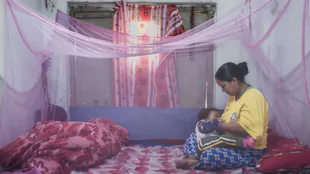 Dengue Fever Expands Into High Himalayas as Climate Change Warms Nepal
 IoT Refrigerator Hacks Disrupt Blood Labs and Supermarkets Across Europe and US
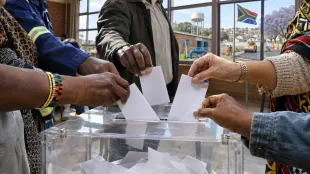
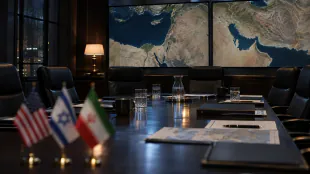 Post-election pressures complicate US and Israeli decisions on Iran
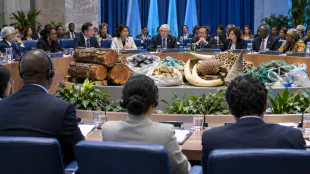 UN members approve talks on treaty protocol against environmental crime
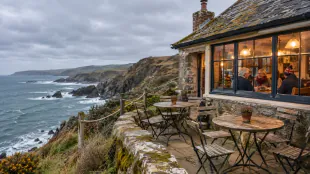 Family-run West Sussex beach café prepares for first winter season

An anti-mining activist was shot and killed in Honduras, President Xiomara Castro said, vowing justice for the latest such murder in one of the world's most dangerous countries for environmentalists.
Juan Lopez, 46, was gunned down as he left church Saturday in the northeastern town of Tocoa, his widow Thelma Pena told AFP.
Castro condemned the "vile murder" in a post on the social media platform X late Saturday and said she had ordered an investigation.
"Justice for Juan Lopez," Castro wrote.
Lopez, who belonged to the ruling Libre party, campaigned against open-pit iron ore mining in a forest reserve in the vicinity of Tocoa, where he worked in the town hall.
In an interview with AFP in 2021, Lopez discussed the risks that he said environmental activists face in this poor and violent Central American country.
"If you start defending common interests in this country," he said, "you clash with major interests."
"If you leave home, you always have in mind that you do not know what might happen, if you are going to return," said Lopez.
At a recent news conference, the activist called for the resignation of Libre officials caught on video negotiating bribes with drug traffickers in 2013.
That video recently ensnared Carlos Zelaya, a brother-in-law of the president. He resigned his seat in congress after admitting he took part in that meeting with drug gangsters.
The UN country representative of the Office of the High Commissioner for Human Rights, Isabel Albaladejo, urged investigators to consider "possible reprisals" against Lopez for his demand for a local mayor to resign for alleged links to organized crime.
The Inter-American Commission on Human Rights had ordered protective measures for Lopez due to threats against him and other environmentalists from Tocoa.
Fellow rights defender Joaquin Mejia paid tribute to the environmentalist, calling him "a comrade committed to social change."
Mejia accused authorities of failing to "fulfill their obligation" to protect Lopez.
Honduran Attorney General Johel Zelaya said the "reprehensible" murder would not go unpunished, and paid tribute to Lopez's activism.
"His life was an example of struggle. He never gave up in his incessant battle, hand-in-hand with the people to preserve natural resources," Zelaya said on X.
The NGO Global Witness says Honduras is one of the world's most dangerous countries for environmental activists.
In 2023 it was ranked third in the world for the number of killings of such activists at 18, tied with Mexico. The top two were Colombia and Brazil.
The organization said that from 2012 to 2023, 148 environmental campaigners were killed in Honduras.
They include Berta Caceres, a high-profile opponent of a controversial hydroelectric dam who was murdered in 2016.
A council of Indigenous organizations co-founded by Caceres said that the Honduran state and Castro's government were "responsible for this new murder by not guaranteeing Juan's life."
G.P.Martin--AT