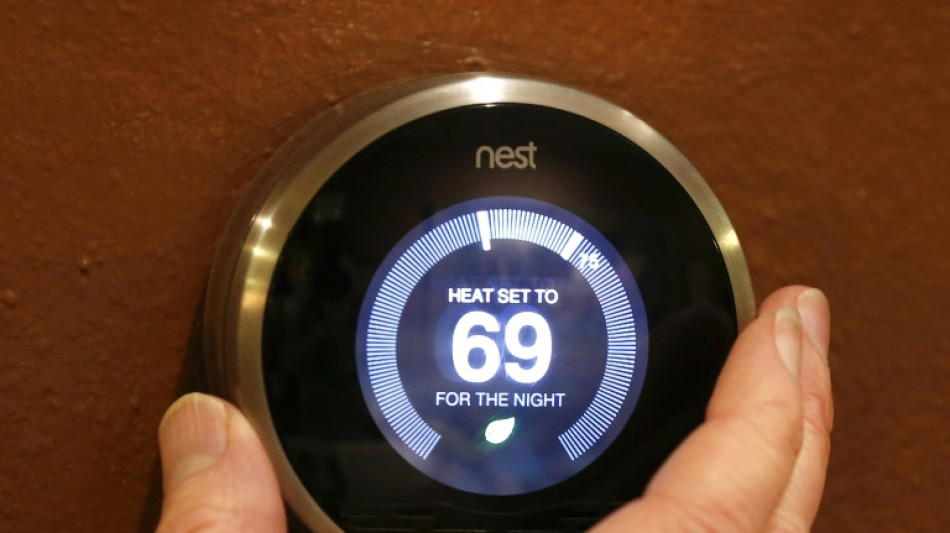
'Small actions' can help reduce reliance on Russian energy: IEA / Photo: GEORGE FREY - GETTY IMAGES NORTH AMERICA/AFP/File

 Martin wins Austrian MotoGP sprint after Acosta crash

 Japan edge Fiji to win Pacific Nations Cup

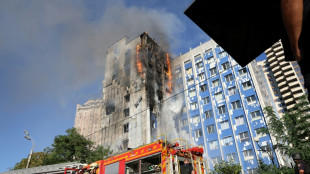
 Black smoke, flames rising near Riyadh airport: residents to AFP

 UK actor Naomi Watts honoured at Spain film festival

 Japan emperor declares Asian Games open after turbulent build-up

 Asian Games open with unity message after troubled build-up
 Denmark hails 'binding' Greenland deal with Trump

 We don't want Games host Japan losing money, says Asian Olympic official
 Ed Sheeran returns to stage after Palestinian controversy

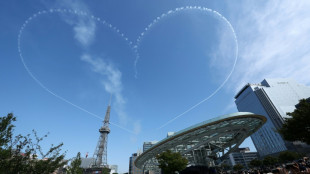 Asian Games to open in Japan after troubled build-up
 Drone owners rush to offload devices ahead of Beijing ban
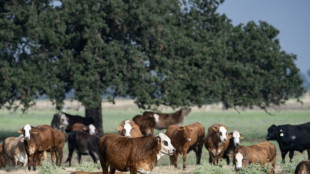 Trump's beef policies irk Texas ranchers, testing their loyalty

 Kennedy Center: future unclear for iconic Washington arts hub

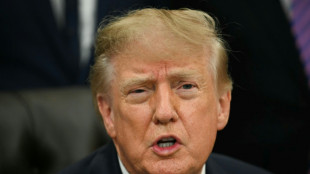 Trump claims 'infinite' Greenland security deal with Denmark

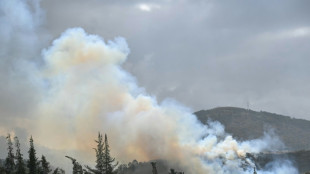 Helicopters battle wildfire threatening Ecuador's capital

 Brentford batter Chelsea to undo Alonso's promising start
 Kane hits Bundesliga century as Bayern rout Union
 Trump says CNN, MS NOW, Politico banned from White House
 Hushing and hedging: US companies retreat on climate

 Springboks to face Fiji before 2027 Rugby World Cup
 Nigeria miners struggled to breathe in cell before 37 died: survivors

 McIlroy on the charge at PGA Championship as Reed withdraws

 McIlroy on the charge at PGA Championship
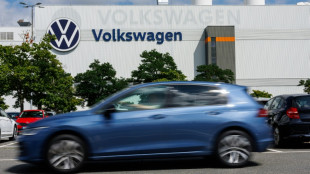 Crisis-wracked Volkswagen warns of 10-bn-euro hit to profits

 Costa Rica's Grynspan tops third informal poll for UN chief: diplomat

Adjusting the heating and working more from home are just some of the "small actions" that can reduce Europe's reliance on Russia, the International Energy Agency and the European Commission said Thursday.
The European Union is scrambling to find alternatives to Russian energy after Moscow's invasion of Ukraine since Russia currently supplies 40 percent of the EU's gas needs.
The bloc aims to cut imports of Russian gas by two thirds this year.
IEA executive director Fatih Birol outlined nine "small actions" that the agency says can be implemented daily
"We say how can the European citizens play their part to save money for themselves, to reduce the reliance on Russian energy and to help to achieve our climate goals," Birol said.
The recommendations could help a European household save on average more than 450 euros ($490) per year and avoid the use of 220 million barrels of oil annually, the IEA and Commission said.
The IEA recommends lowering the heating levels in homes, using air conditioning less in summer, adjusting the temperature of water boilers "to increase efficiency" and urges employers to encourage working from home.
Other suggestions focus using cars "more economically" through carpooling or setting the air conditioning 3°C warmer, reducing one's speed on highways and leaving the car at home on Sundays in cities.
The agency also urged people to walk or cycle for short journeys, use public transport and take the train rather than the plane for distances under 1,000 kilometres (620 miles).
"These suggestions we have are practical, easy to implement and they have been again and again implemented in different contexts," Birol said, referring to the fight against pollution peaks or the savings made during the 1970s because of the oil crisis.
"We are, in my view, in the first global energy crisis and it looks like that this crisis may be with us for some time to come," he warned.
The IEA, which recently published plans to reduce Europe's dependence on Russian oil and gas since Moscow's invasion, has said it was up to national and local institutions to encourage energy savings.
In Italy, the government is readying so-called "operation thermostat", which could see the public sector turn down heating in schools and offices by one degree, and the equivalent for air conditioning in the summer.
Luxembourg Energy Minister Claude Turmes called Thursday for "coordinated" action at the European level, for example through speed limits or setting standard temperatures for public buildings.
A.Williams--AT



