-
 Dangote to launch $16bn refinery in Kenya
-
Nagoya mayor says sorry for Asian Games 'inconveniences'
-
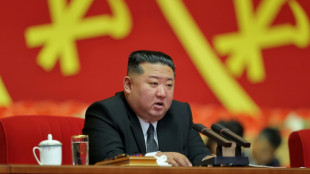 North Korean leader 'extremely obese': Seoul spy agency
-
G20 trade officials meet under shadow of tariffs, overcapacity
-
 Yankees and pope-backed White Sox start MLB playoffs with wins
-
India's fat dog vote goes viral

-
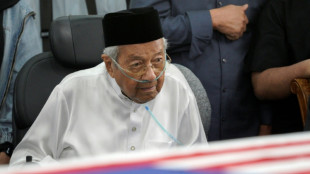 Malaysia's ex-PM Mahathir in hospital for observation
-
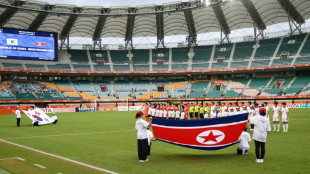
Asian Games crowds in spotlight as 998 see hosts in 50,000 stadium
-
 'No limits': Marathon world record holder Sawe chasing history
-
The eight stadiums for the 2027 Rugby World Cup

-
 Countdown begins to biggest-ever Rugby World Cup
-
Thieves swipe drugs under nose of Fiji police, swap with flour

-
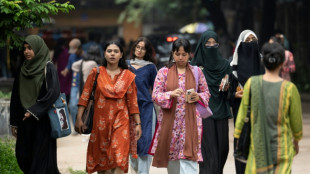 Bangladesh women lose ground after quota reform
-
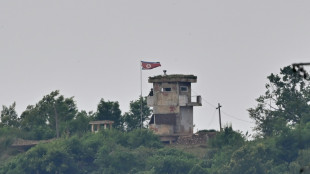
South Korea demands North apologise for DMZ mine blasts
-
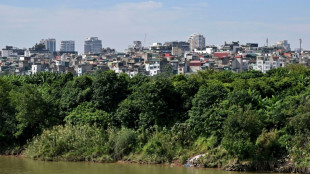 Vietnam admits 'differing opinions' on Hanoi development
-
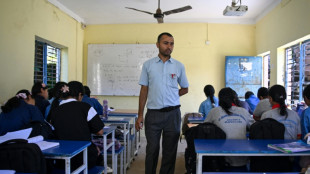
In Nepal's flood zone, teachers mourn students who never returned
-
 Stocks temper gains as oil pares heavy losses, US data in focus
-
US Supreme Court lifts limits on third-country deportations
-
 New Zealand denies breaching climate commitments to EU
-
Antonelli eager to 're-establish order' as F1 returns to Malaysia

-
 Albert becomes youngest US scorer in 4-2 win over Chile
-
Paw-fect candidate: Australia finds new koala rescue dog

-
 Pirate island's plunging population shows Greece's demographic decline
-
One third of world population exposed to harmful air pollution: monitor
-
 With elections ahead, Latvia's Russian-speakers reject Moscow's help
-
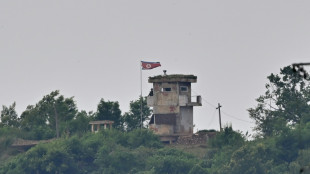
North Korea denies South's claim it was apparently behind DMZ mine blasts
-
 Brazil football clubs face massive sponsorship blow from betting ban
-
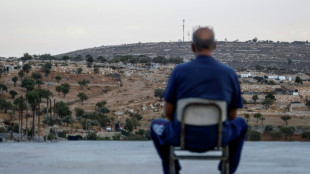
West Bank's violent settlers part of a new generation fuelled by ideology
-
 ChatGPT maker wants to be the App Store for AI as safety concerns grow
-
US-led coalition ends mission in Iraq
-
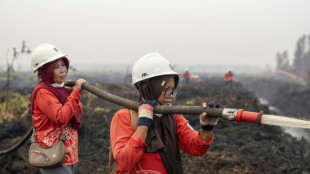 Women fight fires and sexism in Indonesian Borneo
-
Pope-backed White Sox join Braves with MLB playoff wins

-
 Forsling's OT blast lifts Florida over Carolina in NHL opener
-
InterContinental Hotels Group PLC Announces Transaction in Own Shares - September 30

-
 Alpha Growth Management Opens Rep Office in Japan
-
Guardian Metal Resources PLC Announces Total Voting Rights

-
 NBA close to picking new $12-13bn Vegas team owners: report
-
Hurricane Polo sweeps over Mexico's Pacific coast, heads inland
-
 LA28 Olympics torch relay to visit all 50 states
-
Grynspan pulls ahead in race to lead UN: diplomat
-
 Spain brush aside Croatia in Nations League, England down Czechs
-
Trump touts AI boss pledge to self-regulate

-
 Trump hails 'morally binding' AI self-regulation pledge
-
Oil down, but stocks lower as bond yields rise
-
 Yamal inspires Spain to Croatia romp on World Cup homecoming
-
England break down stubborn Czechs to claim first Nations League win

-
 UN to hold fourth informal poll of secretary-general candidates
-
UN Security Council extends Haiti anti-gang force by 6 months
-
 Who are the Emiratis behind crisis-hit Manchester City?
-
Manchester City guilty of Premier League charges: What comes next?

Clock ticking to avert 'genocide' in Tigray: WHO chief
The World Health Organization chief said Wednesday time was running out to avoid "genocide" in Ethiopia's war-torn Tigray, as Human Rights Watch called for sanctions against Addis Ababa to avert civilian deaths.
"The world is not paying enough attention," Tedros Adhanom Ghebreyesus told reporters from WHO headquarters in Geneva. "There is a very narrow window now to prevent genocide in Tigray."
With the conflict nearing its second anniversary, Addis Ababa on Tuesday said it had captured three towns in Tigray, including Shire, which had a pre-war population of 100,000.
The conflict began on November 4, 2020, when Ethiopian Prime Minister Abiy Ahmed sent troops into Tigray after accusing the region's ruling Tigray People's Liberation Front (TPLF) of attacking federal army camps.
His campaign has received the support of Eritrea, with which Ethiopia was at odds until a rapprochement that earned Abiy the 2019 Nobel Peace Prize.
A truce between pro-government forces and rebels this year lasted five months before it collapsed in August.
International concern is now swelling for those caught in the crossfire. The UN this week warned the situation was spiralling out of control and inflicting an "utterly staggering" toll on civilians.
- Sanctions call -
Tedros, who himself is from the northern region and has repeatedly condemned the situation there, said he was "running out of diplomatic language for the deliberate targeting" of civilians in Tigray.
"The social fabric is being ripped apart and civilians are paying a horrific price," he said.
"Hostilities in Tigray must end now, including the immediate withdrawal and disengagement of Eritrean armed forces from Ethiopia."
"Indiscriminate attacks or attacks that deliberately target civilians or civilian objects amount to war crimes," he said.
Separately, Human Rights Watch (HRW) called for the United States, European Union and UN to apply "targeted sanctions and an arms embargo" against Ethiopia to help protect civilian lives.
"The suffering of civilians in Ethiopia should no longer be tolerated in the name of political expediency," HRW's director for the Horn of Africa, Laetitia Bader, said.
"The attacks have resulted in untold civilian casualties, including aid workers delivering food, property destruction, and large-scale displacement," she said.
Over two years, many civilians have been killed, an estimated two million people driven from their homes while millions more are in need of aid, according to UN figures.
The advance of Ethiopian and Eritrean forces through Tigray in late 2020 and early 2021 was followed by mass murder, rape and other crimes documented by UN investigators and rights groups.
- 'Weapons of war' -
Tedros said the six million people of Tigray had been "kept under siege for almost two years".
"Banking, food, electricity and healthcare are being used as weapons of war," he said.
"Even people who have money are starving because they can't access their bank for two years," he said. "Children are dying every day from malnutrition."
Tedros acknowledged that he was personally affected by the situation in Tigray.
"Most of my relatives are in the most affected areas," he said, but insisted that "my job is to draw the world's attention to crises that threaten the health of people wherever they are."
M.King--AT