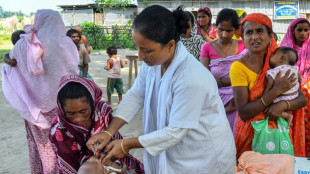
Climate change, population growth threats as malaria fight stalls / Photo: YASUYOSHI CHIBA - AFP

 Stocks move lower despite oil prices dropping

 AI driving up innovation investment: UN

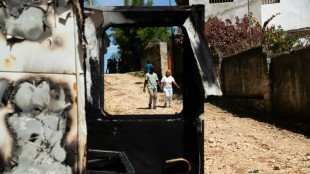 UN Security Council extends Haiti mission by 6 months

 Man Utd do not deserve medals if Man City stripped of titles: Rooney

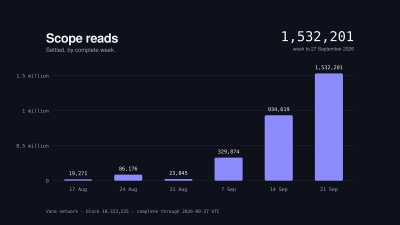 Vana Completes Expanded Staking as Part of the Vega Upgrade, Publishes Expanded VANA Token Economics

 Spain to cap gas price hikes, extend fuel discounts
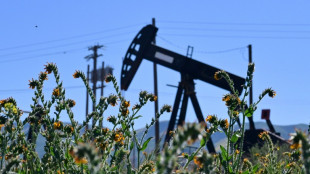
 'We just need rain': Germany's Rhine river hits new low
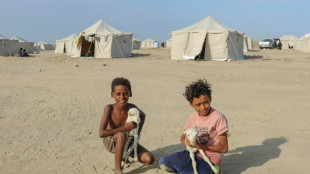 Yemen health system at 'breaking point': WHO

 Ireland undecided on second Israel match: coach

 France's Le Pen defiant after top ally hit by antisemitism claims

 Tom Cruise trades stunts for satire as toxic tycoon 'Digger'

 MEXC Unveils "WE SEE YOU" Brand Visual Refresh, Putting People Behind Every Trade in Focus

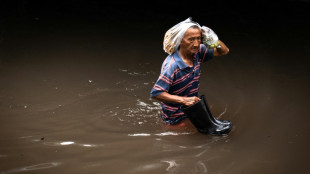 Thai capital cleans up after deadly floods

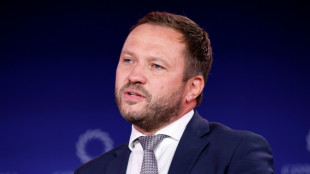 NATO, EU allies rally to Estonia after 'sabotage' blamed on Russia

 Families demand justice for Cameroon's 'nightmare' wave of murdered women
 Tebas says Man City should face 'most severe' sanctions if guilty of rule breaches

 Pochettino calls Man City success 'a period of deception'

 Settler attack on West Bank village injures Israeli forces, drawing rare rebuke

 Mystery over UK airbase scare after reports no explosives found

 Spanish govt races to adopt housing law under protest pressure

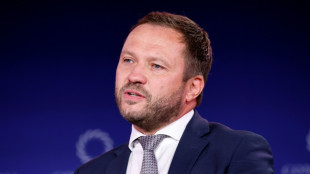 Estonia slams Russian 'sabotage' after arson attack on defence company

 Slovenia sees surge in '.si' sites after Trump hypes 'super intelligence'
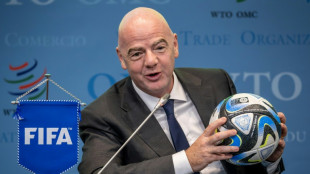
 'Like a dream' for An as Games organisers 'sorry' for latest mix-up
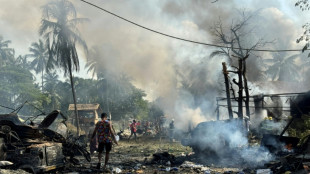
 Tokyo suffers longest streak of rainy days on record

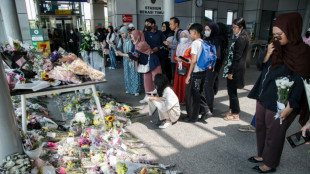 Indonesia charges train driver over crash that killed 16 women

The fight against malaria has stalled after two decades of progress, with climate change and population growth among factors threatening a resurgence of the potentially fatal disease, campaigners said Tuesday.
Insufficient funding for increasingly costly prevention programmes risked efforts against the mosquito-borne illness at a cost of hundreds of thousands of lives and billions of dollars, they said.
The impact would be most keenly felt in Africa which accounts for 95 percent of cases of the disease that claimed 590,000 deaths worldwide in 2023, the African Leaders Malaria Alliance (ALMA) and Malaria No More UK said in a new report.
Several African countries had reported upsurges in cases between January and June 2025 after heavy rainfalls, they said.
Malaria mortality has halved over the past two decades, said the report released ahead of a November 21 meeting in South Africa to secure contributions to the Global Fund to Fight AIDS, TB and Malaria, which covers 59 percent of malaria spending.
"Insufficient funding, however, has caused malaria progress to stall," it said.
"A perfect storm of climate change, rising drug and insecticide resistance, trade disruptions, and global insecurity further undermine the efficacy of malaria interventions."
There were around 263 million cases of malaria globally in 2023, an increase of 11 million cases from the previous year, according to the UN's World Malaria Report 2024.
- Spreading -
"Increases in temperature and flooding due to climate change have increased the number of mosquito breeding sites," ALMA executive secretary Joy Phumaphi told AFP.
In Rwanda, for example, these sites now existed at higher altitudes than previously, she said in an interview.
The malaria-carrying Anopheles stephensi mosquito from Asia has meanwhile spread into Africa while insecticide resistance has increased, she said.
New-generation prevention methods, such as dual-insecticide mosquito nets and the use of drones to disperse chemicals that kill mosquito larva, were effective but also more costly, she said.
At the same time, Africa's population had almost doubled in the past 30 years. "It's more expensive, but we also have to cover a bigger population than before," Phumaphi said.
Malaria -- most prevalent in Nigeria -- is a leading cause of worker and student absenteeism, and also causes learning and cognitive disruption in children.
Besides saving lives, ridding countries of the disease would have "massive" returns on economies, including by boosting productivity and tourism, Phumaphi said.
Malaria "leads to huge amounts of out-of-pocket payments for households and is a major cause of poverty," she said. "Once this market is protected, their purchasing power is enormous."
An anti-malaria vaccine in use in 23 African countries was around 40 percent effective and had to be accompanied by other prevention measures. But a new vaccine undergoing human trials was hoped to show 80 percent efficacy, she said.
Funding modelling showed that a halt in all prevention interventions could cost Africa $83 billion in lost GDP by 2030, alongside 525 million additional cases and 990,000 more deaths on top of the already high annual toll, the report said.
T.Perez--AT