New US study helps de-mystify Covid brain fog / Photo: Frederic J. BROWN - AFP/File

 With elections ahead, Latvia's Russian-speakers reject Moscow's help

 Brazil football clubs face massive sponsorship blow from betting ban

 ChatGPT maker wants to be the App Store for AI as safety concerns grow

 Women fight fires and sexism in Indonesian Borneo

 Forsling's OT blast lifts Florida over Carolina in NHL opener

 Hurricane Polo sweeps over Mexico's Pacific coast, heads inland

 Grynspan pulls ahead in race to lead UN: diplomat

 Trump touts AI boss pledge to self-regulate

 Oil down, but stocks lower as bond yields rise

 England break down stubborn Czechs to claim first Nations League win

 UN Security Council extends Haiti anti-gang force by 6 months

 Manchester City guilty of Premier League charges: What comes next?

 Man City chief Soriano slams Premier League 'conspiracy theory'

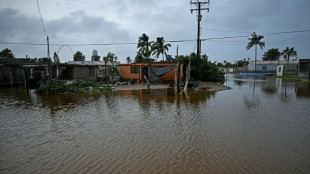 Hurricane Polo sweeps over Mexico's Pacific coast

 Man City must be relegated after guilty verdict says club's former chairman

 German far-right aims to lead Saxony-Anhalt govt in December
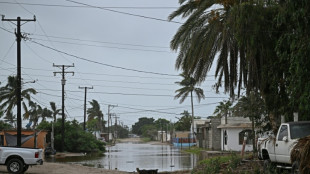 Little damage as Hurricane Polo sweeps over Mexico's Pacific coast

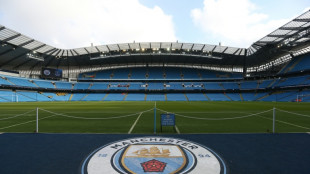 Manchester City guilty of breaking financial rules - Premier League

 FIFA boss Infantino blasted as would-be 'emperor' by UEFA's Ceferin

 Stocks move lower despite oil prices dropping

 AI driving up innovation investment: UN

 UN Security Council extends Haiti mission by 6 months

 Man Utd do not deserve medals if Man City stripped of titles: Rooney

 Vana Completes Expanded Staking as Part of the Vega Upgrade, Publishes Expanded VANA Token Economics

 Spain to cap gas price hikes, extend fuel discounts

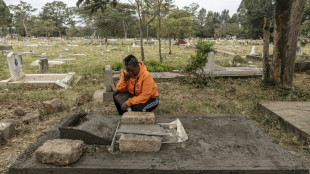
A small new study published Tuesday by scientists at the US National Institutes of Health suggests that the immune response triggered by coronavirus infections damages the brain's blood vessels and could be responsible for long Covid symptoms.
The paper, published in the journal Brain, was based on brain autopsies from nine people who died suddenly after contracting the virus.
Rather than detecting evidence of Covid in the brain, the team found it was the people's own antibodies that attacked the cells lining the brain's blood vessels, causing inflammation and damage.
This discovery could explain why some people have lingering effects from infection including headache, fatigue, loss of taste and smell, and inability to sleep as well as "brain fog" -- and may also help devise new treatments for long Covid.
NIH scientist Avindra Nath, the paper's senior author, said in a statement: "Patients often develop neurological complications with COVID-19, but the underlying pathophysiological process is not well understood."
"We had previously shown blood vessel damage and inflammation in patients' brains at autopsy, but we didn't understand the cause of the damage. I think in this paper we've gained important insight into the cascade of events."
The nine individuals, aged 24 to 73, were selected from the team's prior study because they showed evidence of blood vessel damage in their brains based on scans.
Their brains were compared to those from 10 controls, with the team examining neuroinflammation and immune responses using a technique called immunohistochemistry.
The scientists discovered that antibodies produced against Covid-19 mistakenly targeted cells that form the "blood-brain barrier" -- a structure designed to keep harmful invaders out of the brain while allowing necessary substances to pass.
Damage to these cells can cause leakage of proteins, bleeding and clots, which elevates the risk of stroke.
The leaks also trigger immune cells called macrophages to rush to the site to repair damage, causing inflammation.
The team found that normal cellular processes in the areas targeted by the attack were severely disrupted, which had implications for things such as their ability to de-toxify and to regulate metabolism.
The findings offer clues about the biology at play in patients with long-term neurological symptoms, and can inform new treatments -- for example, a drug that targets the build-up of antibodies on the blood-brain barrier.
"It is quite possible that this same immune response persists in Long COVID patients resulting in neuronal injury," said Nath.
This would mean that a drug that dials down that immune response could help those patients, he added. "So these findings have very important therapeutic implications."
M.White--AT