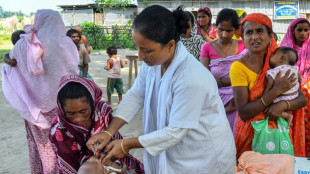
WHO guiding body gets to grips with budget beset by US pullback / Photo: Fabrice COFFRINI - AFP

 Alleged Rihanna mansion shooter mentally fit for trial, says judge
 Mystery over UK airbase scare as police find petrol not explosives
 OpenAI unveils low-cost AI model, a day after shelving Astra upgrade
 Premier League confirms Man City guilty of serious financial breaches
 Brazil's Lula turns to Bad Bunny tune to criticise Trump ahead of polls
 Nigerian dancer eyes world record after seven-day marathon
 Swiss regulator concludes Julius Baer bank probe
 Brazil's patron saint pulled into latest election scrap

 Football overload leaves players near 'breaking point', warns Tebas
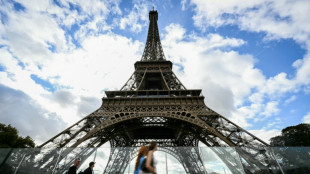 Paris Eiffel Tower says chief to step down after uproar over removing women staff
 Amaze Holdings (NYSE: AMZE) Executes Binding LOI to Acquire BullionFX | Alchemy, a Decentralized Gold-Backed Financial Ecosystem for Valued at US$155 Million
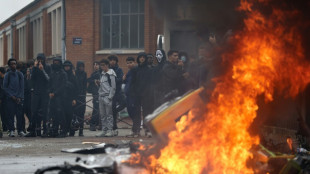 Clashes between French teens, police as school blockades intensify

 Stocks move sideways despite oil moving lower

 African leaders to gather in Egypt for business summit
 UK decides against charging foreign visitors for museums

 Dallaglio to sell England World Cup winners' medal
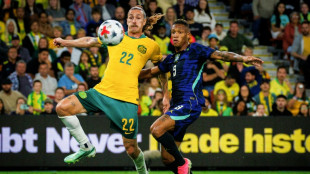 Brazil come from behind to beat Australia 4-2 in friendly
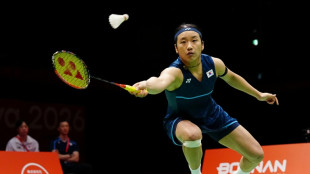 Ruthless An retains Asian Games badminton crown as Kunlavut triumphs

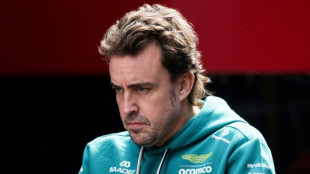 Alonso to stay with F1 team Aston Martin in 2027
 China badminton 'still strong' despite Asian Games slump
 'Exceptional' Turner painting shown in Rome before sale
 European stocks climb as oil dips
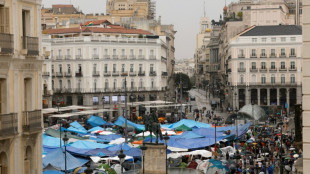 Spain aims to ban evictions until 2030 amid housing protests

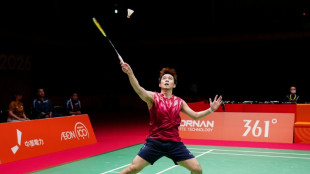 Kunlavut first Thai man to win Asian Games badminton singles gold

 French far right says antisemitism claims part of 'total war' to derail presidency bid

The decision-making body of the World Health Organization started a weeklong annual meeting on Monday under a budget cloud darkened by the US decision to not pay its WHO membership dues.
The issue -- which threatens to slash the UN agency's staff numbers and operations -- is all-consuming for the World Health Assembly, which has to grapple with a $1.7 billion gap in the WHO's 2026-2027 spending plans.
The United States was absent from the gathering, which runs until May 27, as was Argentina.
WHO chief Tedros Adhanom Ghebreyesus opened the assembly with a plea for countries to get behind a Pandemic Agreement aimed at preventing a repeat of the Covid-19 crisis.
The text of the agreement -- which looks to improve pandemic surveillance and access to vaccines -- was finalised by consensus last month, capping more than three years of negotiations.
The United States pulled out of those talks, following US President Donald Trump's decision to withdraw his country from the WHO, a process that takes one year to complete.
Adoption of the agreement was expected on Tuesday, which Tedros said would be "truly a historic moment".
It was the financing woes and Washington's freeze on international aid, however, that were foremost on delegates' minds.
Trump's administration is refusing to pay agreed-upon WHO membership fees for 2024 and 2025, while suspending virtually all US foreign aid, including significant support for health projects worldwide.
The decision has spurred belt-tightening at the Geneva-based agency, which is hoping to cut salary-related expenses by 25 percent and is exploring outsourcing to cheaper cities.
During the week, the assembly will have to decide whether to increase WHO membership fees by 20 percent. In 2022, they had already agreed to increase membership fees in stages, to 50 percent of a budget currently reliant more on voluntary donations from nations.
"I ask you to approve the next increase, to make another step towards securing the long-term financial sustainability and independence of your WHO," said Tedros.
The WHO has already trimmed its 2026-2027 budget from $5.3 billion to $4.2 billion. But even so, Tedros warned the agency needs to find $1.7 billion to get there.
A donor meeting is scheduled for Tuesday.
A.Taylor--AT