Trump announces drug prices cut with swipe at Europe / Photo: Jim WATSON - AFP

 Alleged Rihanna mansion shooter mentally fit for trial, says judge
 Mystery over UK airbase scare as police find petrol not explosives
 OpenAI unveils low-cost AI model, a day after shelving Astra upgrade
 Premier League confirms Man City guilty of serious financial breaches
 Brazil's Lula turns to Bad Bunny tune to criticise Trump ahead of polls
 Nigerian dancer eyes world record after seven-day marathon
 Swiss regulator concludes Julius Baer bank probe
 Brazil's patron saint pulled into latest election scrap

 Football overload leaves players near 'breaking point', warns Tebas

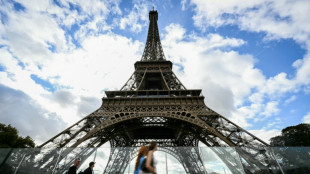 Paris Eiffel Tower says chief to step down after uproar over removing women staff
 Amaze Holdings (NYSE: AMZE) Executes Binding LOI to Acquire BullionFX | Alchemy, a Decentralized Gold-Backed Financial Ecosystem for Valued at US$155 Million
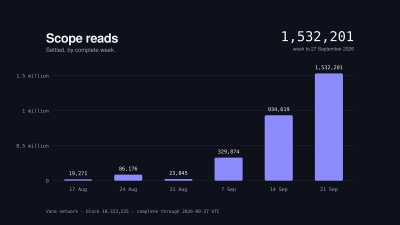
 Clashes between French teens, police as school blockades intensify
 Stocks move sideways despite oil moving lower

 African leaders to gather in Egypt for business summit

 UK decides against charging foreign visitors for museums

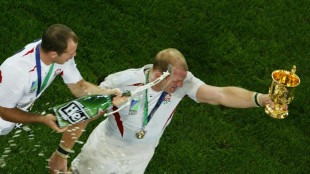 Dallaglio to sell England World Cup winners' medal
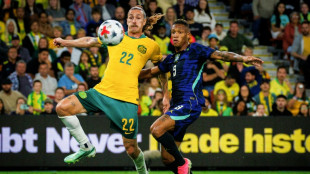 Brazil come from behind to beat Australia 4-2 in friendly
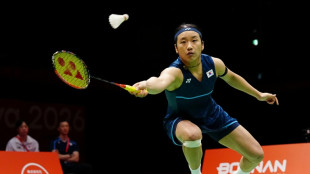 Ruthless An retains Asian Games badminton crown as Kunlavut triumphs

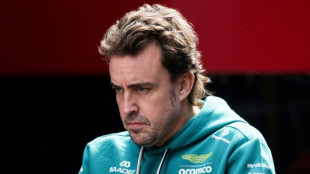 Alonso to stay with F1 team Aston Martin in 2027

 China badminton 'still strong' despite Asian Games slump
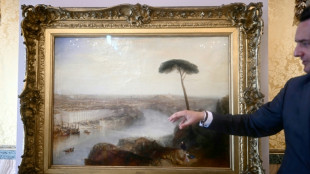 'Exceptional' Turner painting shown in Rome before sale
 European stocks climb as oil dips
 Spain aims to ban evictions until 2030 amid housing protests
 Kunlavut first Thai man to win Asian Games badminton singles gold

 French far right says antisemitism claims part of 'total war' to derail presidency bid

US President Donald Trump said Monday he would slash drug prices so that they match costs abroad, accusing the "brutal" European Union in particular of forcing pharmaceutical firms to lower prices on its turf.
Trump claimed as he signed the executive order at the White House that drug prices should fall by at least 59 percent -- and in some cases as high as 80 or 90 percent.
Under the plan, Trump aims to institute a "Most Favored Nation" policy that pins the cost of drugs sold in the United States to the lowest price paid by other countries for the same drug.
"Whoever is paying the lowest price, that's the price that we're going to get," Trump said.
The US president's plan will count mainly on the goodwill of pharmaceutical companies to negotiate their prices and could face legal challenges, as did a similar proposal Trump pushed during his first term.
Trump said American consumers had been treated like "suckers" and cited in particular the costs of the obesity-reducing drug Ozempic, which he said were vastly higher in Europe.
He blasted the European Union nation in particular over drug prices, alleging that the 27-nation bloc forced pharmaceutical firms to lower their costs on their territory.
"It was really the countries that forced Big Pharma to do things that, frankly, I'm not sure they really felt comfortable doing, but they've gotten away with it," Trump said.
"The European Union has been brutal, brutal. And the drug companies actually told me stories it was just brutal, how they forced them."
- 'Powerful lobby' -
Trump said he would also order an investigation into countries that "extort" drug companies by "blocking their products" unless they accepted low prices.
But Trump added that he was also "doing this against the most powerful lobby in the world -- the drug and pharmaceutical lobby."
Health Secretary Robert Kennedy Jr, who has caused controversy for his skepticism over vaccinations, praised the plan.
"There has never been a president more willing to stand up to the oligarchs than Donald Trump," Kennedy said as he stood next to the billionaire property developer.
Trump had trailed the announcement of the 59 percent cut earlier on Monday.
"DRUG PRICES TO BE CUT BY 59%, PLUS! Gasoline, Energy, Groceries, and all other costs, DOWN. NO INFLATION!!!" Trump posted on his Truth Social platform.
The reduction in prescription drug costs in the United States would, he added in his post, be counterbalanced by higher costs in other countries.
"Most favored nation" status is a World Trade Organization rule that aims to prevent discrimination between a country and its trading partners, levelling the playing field for international trade.
This is not the first time that Trump has attempted to lower US drug prices.
During his first 2017-2021 term in office, he announced a similar proposal to cut US drug prices but his plans failed in the face of strong opposition from the pharmaceutical industry.
Last month, the US president signed an executive order aiming to lower crippling drug prices by giving states more leeway to bargain-hunt abroad and improving the process for price negotiations.
T.Wright--AT