Trump administration releases report critical of youth gender care / Photo: Andrew Harnik - GETTY IMAGES NORTH AMERICA/AFP/File

 NBA close to picking new $12-13bn Vegas team owners: report

 LA28 Olympics torch relay to visit all 50 states

 Spain brush aside Croatia in Nations League, England down Czechs

 Trump hails 'morally binding' AI self-regulation pledge

 Yamal inspires Spain to Croatia romp on World Cup homecoming

 UN to hold fourth informal poll of secretary-general candidates

 Who are the Emiratis behind crisis-hit Manchester City?

 Singer Angelique Kidjo urges Africans to 'create together'

 Alleged Rihanna mansion shooter mentally fit for trial, says judge

 Mystery over UK airbase scare as police find petrol not explosives

 OpenAI unveils low-cost AI model, a day after shelving Astra upgrade

 Premier League confirms Man City guilty of serious financial breaches

 Brazil's Lula turns to Bad Bunny tune to criticise Trump ahead of polls

 Nigerian dancer eyes world record after seven-day marathon

 Swiss regulator concludes Julius Baer bank probe

 Brazil's patron saint pulled into latest election scrap

 Football overload leaves players near 'breaking point', warns Tebas

 Paris Eiffel Tower says chief to step down after uproar over removing women staff

 Amaze Holdings (NYSE: AMZE) Executes Binding LOI to Acquire BullionFX | Alchemy, a Decentralized Gold-Backed Financial Ecosystem for Valued at US$155 Million

 Clashes between French teens, police as school blockades intensify

 Stocks move sideways despite oil moving lower

 African leaders to gather in Egypt for business summit

 UK decides against charging foreign visitors for museums

 Dallaglio to sell England World Cup winners' medal

 Brazil come from behind to beat Australia 4-2 in friendly

US President Donald Trump's administration on Thursday released what it described as a comprehensive review of gender interventions for children and adolescents, raising alarms about "significant risks" with puberty blockers and surgeries.
The 400-page report was published without named authors -- a decision that departs from standard scientific practice but was justified by the Department of Health and Human Services as a way "to help maintain the integrity of this process."
Gender care for youth is a deeply polarizing issue in many countries, with medical professionals striving to balance competing priorities: alleviating psychological distress, respecting patient autonomy, and ensuring that any interventions are safe, evidence-based, and appropriate for developing bodies and minds.
The Trump administration's well-documented hostility toward transgender people, and its frequent attacks on what it calls "woke gender ideology," have raised questions about the objectivity of the study.
According to the report, gender-affirming treatments pose risks "including infertility/sterility, sexual dysfunction, impaired bone density accrual, adverse cognitive impacts, cardiovascular disease and metabolic disorders, psychiatric disorders, surgical complications, and regret."
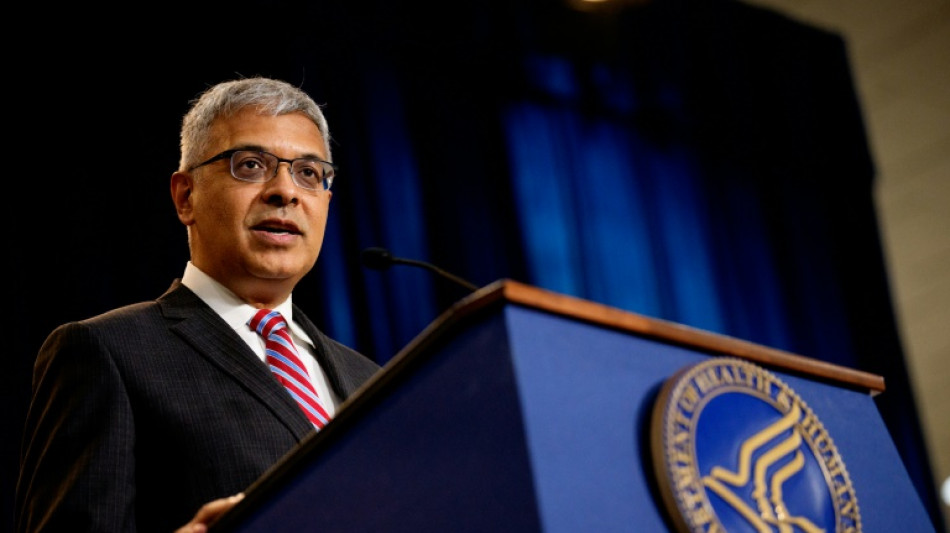
"Our duty is to protect our nation's children -- not expose them to unproven and irreversible medical interventions," Jay Bhattacharya, director of the National Institutes of Health. "We must follow the gold standard of science, not activist agendas."
But Aisha Mays, a family physician in California and member of the nonprofit Physicians for Reproductive Health, hit back by terming the report "propaganda."
"Today's report is propaganda aiming to delegitimize the perfectly safe, effective, and evidence-based health care that transgender people access to be who they are," she said.
"Being transgender, just like being cisgender, is not a choice nor can it be reversed by any medical or social method. The same way cisgender people know who they are, so do trans people. The same way cis people receive gender-affirming care, so do trans people."
In the UK, a separate high-profile review last year urged "extreme caution" when prescribing hormone treatments.
The four-year probe of child and youth gender identity services, led by retired pediatrician Hilary Cass, made dozens of recommendations ranging from more research to reform of the referrals system.
The American Academy of Pediatrics has maintained its support for providing transgender adolescents with medically necessary care and opposes legislation that restricts such access or interferes with the doctor-patient relationship.
While the political rhetoric around gender care has grown louder, data shows that in reality the use of such care is not widespread.
Fewer than 0.1 percent of gender-diverse minors with private insurance received puberty blockers or hormone therapy between 2018 and 2022, according to a recent study published in JAMA Pediatrics.
A.Williams--AT